Strategic Developments in U.S. Defense and Chinese Military Posturing

Recent developments in the U.S. defense landscape and Chinese military activities illustrate a dynamic shift in global security strategies. The construction of the Future Artillery Complex (FAC) in Iowa marks a significant milestone for the CSG Group and underscores the ongoing expansion of U.S. defense capabilities. Meanwhile, China continues to test new strategic deterrent measures, reflecting its ambitions in the Asia-Pacific region.
What Happened
CSG Group, through its U.S. subsidiary MSM North America, has officially launched the construction of the Future Artillery Complex in Iowa. This project represents a long-term expansion effort aimed at enhancing the U.S. military's artillery capabilities. The FAC is expected to play a critical role in modernizing the U.S. defense infrastructure.
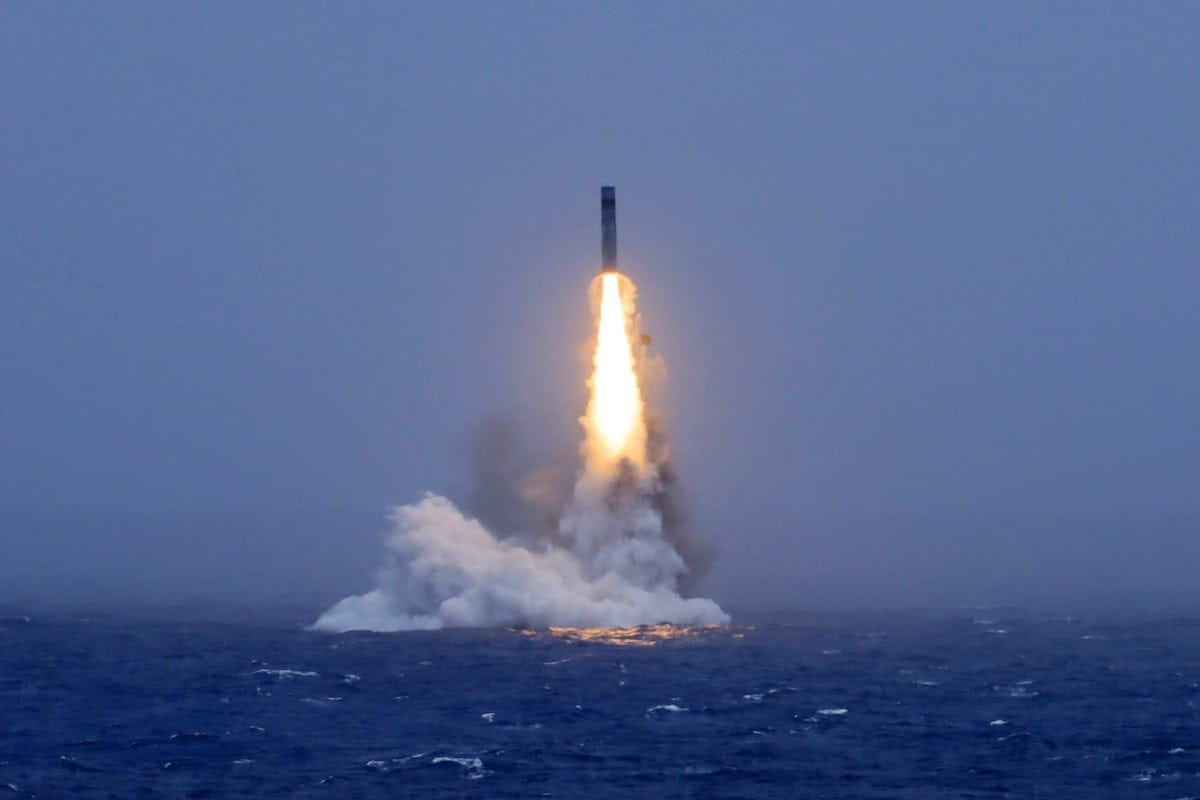
On the other side of the Pacific, Chinese military maneuvers have caught the attention of defense experts. Recent tests involving both the Coast Guard and intercontinental ballistic missiles (ICBMs) indicate that Beijing is exploring innovative deterrent methods to protect its territorial claims in the region. These actions have raised alarms among neighboring countries and global powers alike.
The Strategic Calculus
The initiation of the FAC aligns with broader U.S. defense strategies aimed at countering potential threats, particularly from China. This development is significant for several reasons:
- Enhancement of artillery capabilities can lead to increased operational efficiency and readiness.
- Strengthening U.S. military infrastructure may deter aggression from rival powers.
- Investment in modern facilities signals a commitment to maintaining technological superiority.
Simultaneously, China's military tests signal a shift in its approach to deterrence. Experts suggest that these actions are designed to project strength and dissuade adversaries from challenging China's territorial integrity. The implications of this strategic posture are profound, as they may provoke a reassessment of defense strategies among U.S. allies in the region.
Industry Fallout
The construction of the FAC is likely to influence defense contractors and related industries in the U.S. As the project progresses, it could lead to:
- Increased contracts for companies involved in artillery technology and construction.
- Job creation in the defense sector, particularly in Iowa.
- A potential acceleration in technological innovation within military applications.
In contrast, China's military advancements may spur a competitive response from the U.S. and its allies, potentially leading to an arms race in the Asia-Pacific. Analysts will be watching closely to see how these developments shape geopolitical dynamics and defense policies.
Overall, the juxtaposition of U.S. military expansion and Chinese strategic testing highlights a period of significant change in global defense postures.
Sources: Edrmagazine and Defensenews