Strategic Dialogue: Pakistan's Army Chief Engages with Tehran on U.S.-Iran Relations

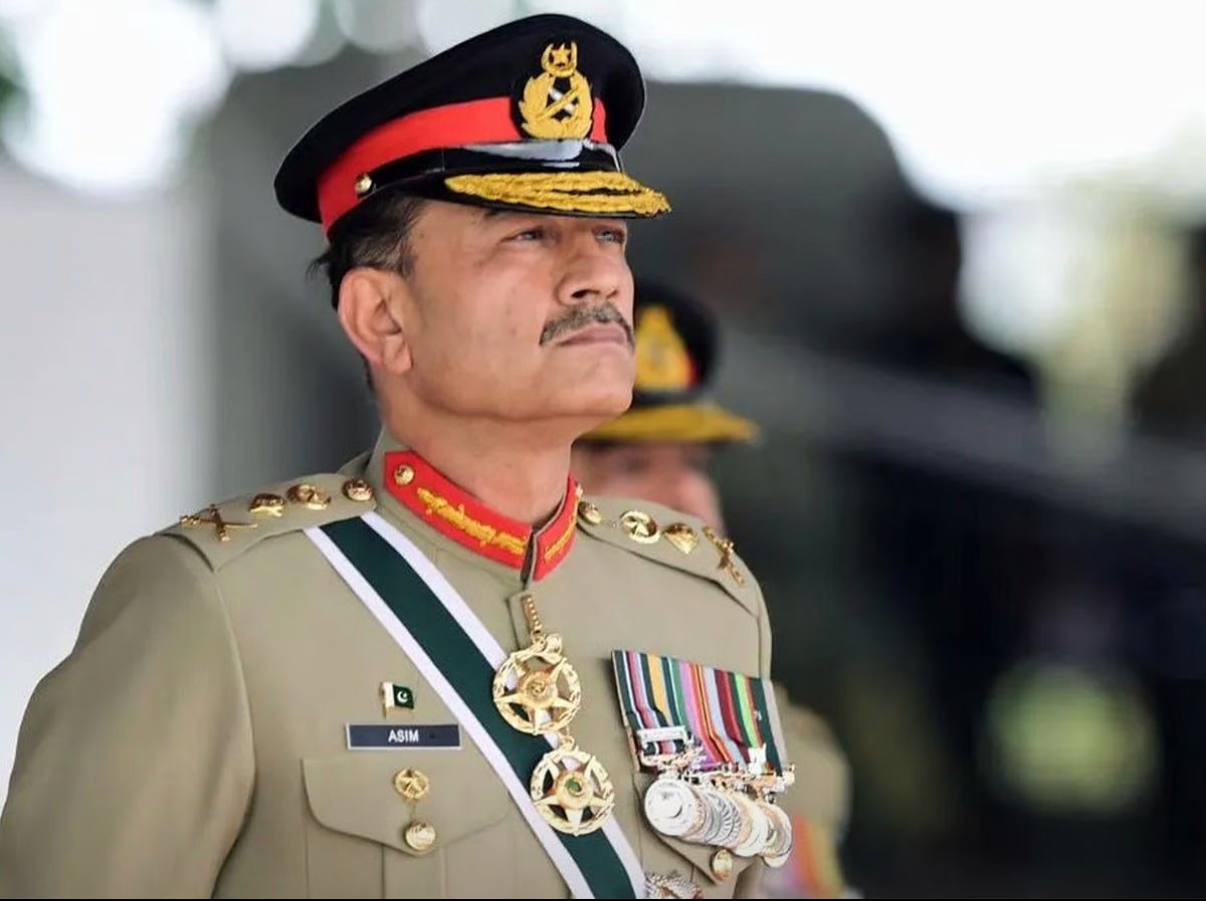
Pakistan's Diplomatic Initiative in Tehran
General Asim Munir, the Chief of Army Staff of Pakistan, has embarked on a significant diplomatic mission to Tehran, heading a senior political and security delegation. This visit, which includes a message from Washington, is aimed at facilitating discussions in anticipation of the upcoming U.S.–Iran negotiations. These talks are scheduled to be held in Islamabad and are expected to address critical regional security concerns.
The backdrop of this visit is marked by heightened tensions in the Middle East, particularly in the context of U.S.-Iran relations. Following a period of strained communications, the prospect of renewed dialogue represents a crucial opportunity for de-escalation. General Munir's role as an intermediary underscores Pakistan's strategic positioning in fostering communication between the United States and Iran, both of whom have significant interests in the region.
Geopolitical Implications
As Pakistan seeks to strengthen its diplomatic ties with Iran while simultaneously aligning with U.S. interests, this visit could signal a shift in the balance of power and influence within South Asia and the broader Middle East. The outcome of these discussions may impact various security dynamics, including counterterrorism cooperation, trade relations, and regional stability. Furthermore, Pakistan's involvement may encourage other nations in the region to engage in similar dialogues, promoting a collaborative approach to shared challenges.
Why it matters: The success of the upcoming U.S.–Iran talks, facilitated by Pakistan, could reshape the geopolitical landscape in South Asia and the Middle East. A more stable relationship between the U.S. and Iran might lead to improved security conditions in the region, which is crucial for global energy markets and counterterrorism efforts. As this situation evolves, defense professionals should monitor the developments closely, as they could have far-reaching implications for international security and diplomatic relations.
Sources: BBC, Reuters, The Diplomat – Asia-Pacific, and The New York Times