Strategic Movements and Technological Advances in U.S. Defense Operations

What Happened
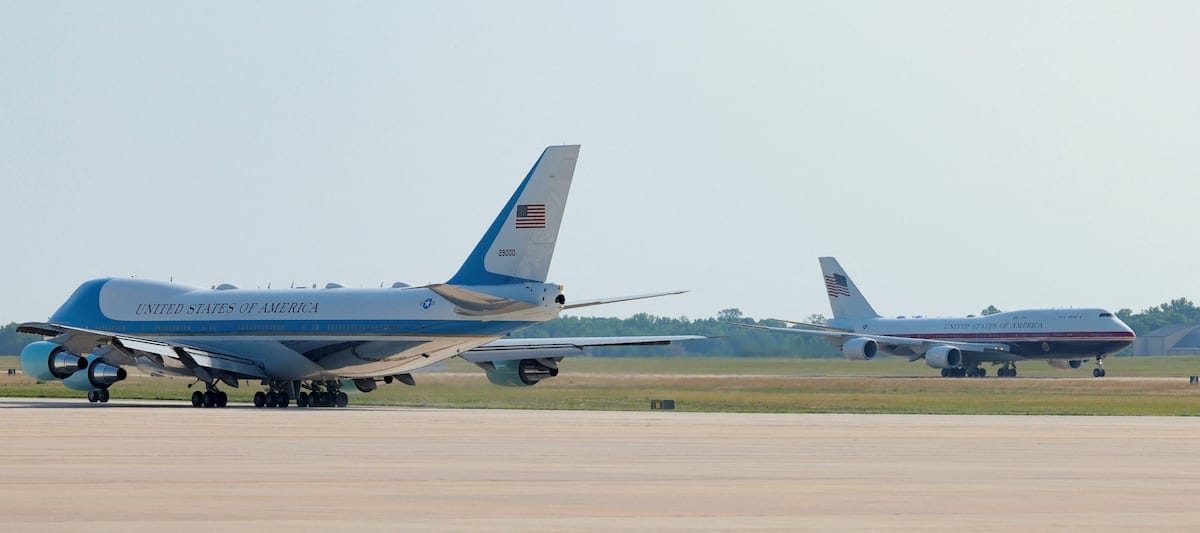
In a noteworthy episode, President Donald Trump departed Turkey aboard an older model of Air Force One instead of the newly renovated jet donated by Qatar. This unexpected choice raises questions regarding operational logistics and the decision-making process during international travel.
The Strategic Calculus
This incident highlights the complexities involved in presidential travel, where security, cost, and available resources come into play. The choice to utilize an older aircraft may suggest:
- Potential technical issues with the newer aircraft.
- Considerations for operational readiness in a high-stakes environment.
- The need for adaptability in travel plans amidst geopolitical dynamics.
Such decisions can have implications for how U.S. defense operations are perceived both domestically and internationally, especially in regions where the U.S. maintains a strategic presence.
Industry Fallout
While President Trump's travel choices command attention, the U.S. Air Force is simultaneously advancing in technological management. The Air Force has selected Salesforce’s Missionforce National Security platform to oversee its extensive fleet valued at $13.5 billion, comprising over 84,000 vehicles. This significant move aims to enhance operational efficiency and data management within military logistics.
The implications of this technology adoption include:
- Improved tracking and maintenance of military assets.
- Potential for increased readiness and response times in various operational contexts.
- Enhanced data analytics capabilities, which could inform future strategic decisions.
As the U.S. military continues to integrate advanced technologies, the juxtaposition of older and newer systems, as seen in the recent travel incident, underscores the ongoing evolution of defense practices.
Sources: Defensenews, Thedefensepost, The Defense Post, Salesforce, Barchart.com, and Air Force Times