Strategic Shifts in Air Force Funding and Procurement Priorities

The ongoing evolution of the U.S. military's procurement strategies reflects shifting priorities amid operational demands. Recent reports indicate a potential reallocation of funds within the Department of Defense, specifically affecting the Navy and Air Force aircraft programs. As the Pentagon adapts to new challenges, decisions made today will shape the future of aerial capability and defense spending.
What Happened
The Pentagon has proposed a significant funding shift, aiming to raid the Navy's E-2 account to finance enhancements for the Air Force's E-7 fleet. This decision comes on the heels of a failed attempt to cancel the E-7 program in favor of augmenting the E-2 fleet. The changing landscape was catalyzed by the recent Operation Epic Fury, which underscored the operational necessity for advanced aerial surveillance and command capabilities.
The Strategic Calculus
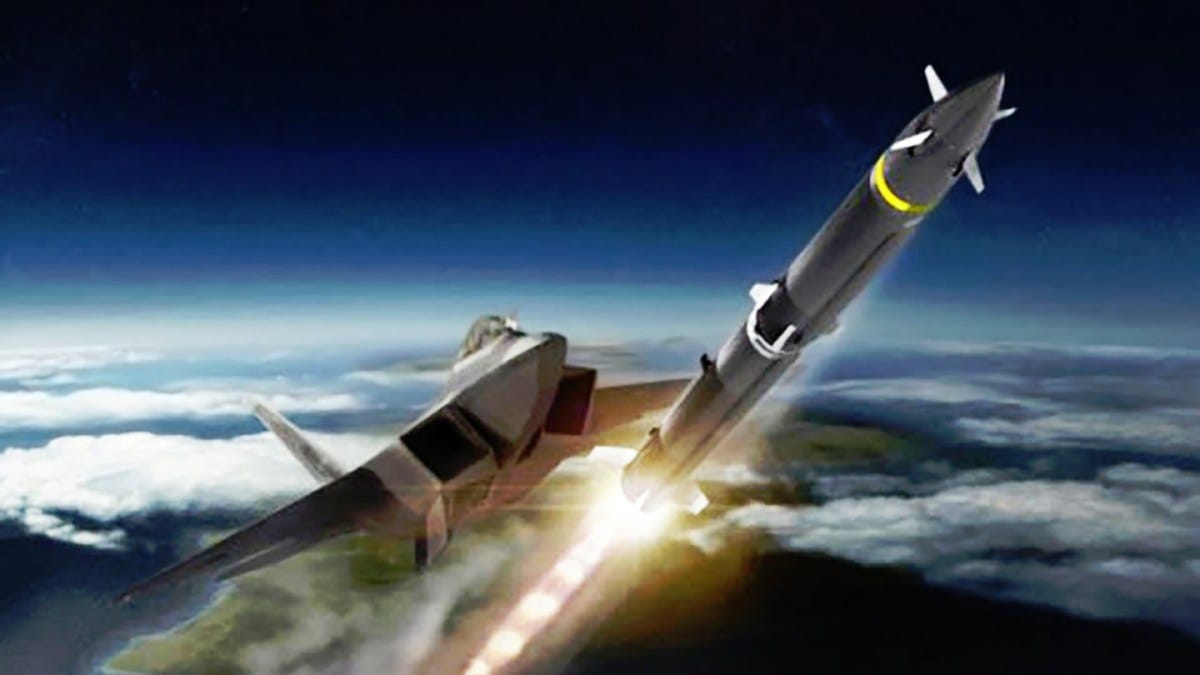
In parallel with the funding adjustments, the U.S. Air Force (USAF) is pushing for the development of an air-to-air missile with a remarkable range of 1,000 miles. This missile, part of a broader initiative for long-range weaponry, aims to enhance the USAF's striking capabilities against both aerial and surface targets. The implications of this missile program are profound:
- The USAF's capability to engage targets from unprecedented distances will reshape battlefield dynamics.
- Such enhancements could deter adversaries and provide the U.S. with a strategic edge in future conflicts.
- These developments highlight a growing emphasis on long-range strike capabilities across the armed forces.
Industry Fallout
The potential funding shift raises questions about the implications for military contractors involved in the E-2 and E-7 programs. Companies focusing on naval aviation may face budget constraints, while those aligned with the USAF's long-range missile initiatives could see increased investment opportunities. The shifting priorities reflect a broader trend within defense spending, where agility and responsiveness to operational needs take precedence.
As the Pentagon navigates these complex waters, analysts will be watching closely for how these decisions impact inter-service relationships and capabilities. The evolving landscape of military procurement not only affects current operations but also sets the stage for future defense strategies.
Sources: Twz, Air & Space Forces Magazine, Defense News, and The Aviationist