Strategic Shifts in Global Defense: Key Developments in Air Defense and Production Ecosystems

Recent developments in global defense contracts underscore a significant shift in the landscape of military capabilities and production ecosystems. With major contracts awarded to both domestic and international companies, these moves indicate a robust response to emerging threats and the need for enhanced defense readiness.
What Happened
The CSG Group, a Czech defense conglomerate, has recently reported a substantial win in Asia with air defense contracts totaling $2.5 billion. This marks a pivotal expansion outside of Europe, highlighting CSG's strategic positioning in the global defense market. Meanwhile, the US Army has awarded a $617 million contract to Dynetics for the production of Indirect Fire Protection Capability Increment 2 systems, aimed at bolstering air defense capabilities against evolving threats. Additionally, Raytheon secured a $234.8 million contract from the US Air Force to advance its extended-range air-to-air missile program toward full-rate production.
The Strategic Calculus
These contracts reflect a broader strategy among defense contractors to enhance operational readiness through increased production capabilities and international collaboration. Key developments include:
- CSG Group's expansion in Asia: This move not only strengthens its market presence but also signals a shift towards more diversified defense partnerships.
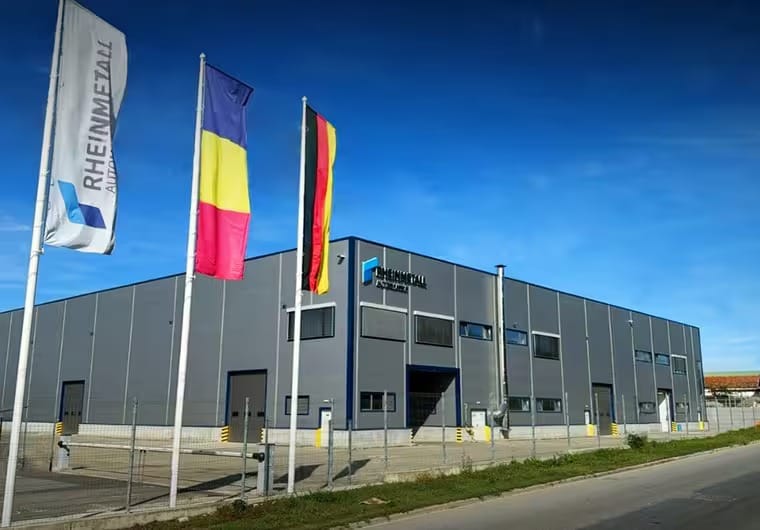
- Rheinmetall's investment in Romania: With a target of creating 2,500 jobs, Rheinmetall is establishing Romania as a central hub for defense production in Europe, enhancing the continent's military self-sufficiency.
- US Army's focus on air defense: The contract to Dynetics emphasizes a commitment to safeguarding US troops and assets from indirect fire threats, enhancing overall battlefield survivability.
- Raytheon's missile program advancement: The investment in missile technology is crucial as air-to-air engagements become increasingly complex in modern warfare.
Industry Fallout
The implications of these contracts extend beyond mere financial transactions. They indicate a strategic pivot towards enhancing air defense systems in response to persistent geopolitical tensions. Defense professionals must consider the following:
- The growing importance of international collaborations in defense manufacturing.
- The potential for increased competition among nations to secure advanced military technologies.
- The economic impact of job creation in countries like Romania, which could foster greater political stability and military cooperation.
As nations adapt to a rapidly changing security environment, the focus on robust air defense systems and the establishment of production hubs will likely become central to defense strategies. The recent contracts signal a proactive approach to enhancing military capabilities, which may reshape alliances and defense priorities in the coming years.
Sources: Edrmagazine, Thedefensepost, simplywall.st, Invezz, Fondation pour la Recherche Stratégique, and EDR Magazine - European Defence Review