Strengthening Deterrence: Key Developments in U.S. Defense Strategy

The landscape of U.S. defense is undergoing significant transformation as the country invests heavily in new capabilities aimed at countering evolving global threats. Recent announcements highlight a focused approach to nuclear deterrence and air defense, reinforcing the nation’s strategic posture against adversaries like North Korea, China, and Russia.
What Happened
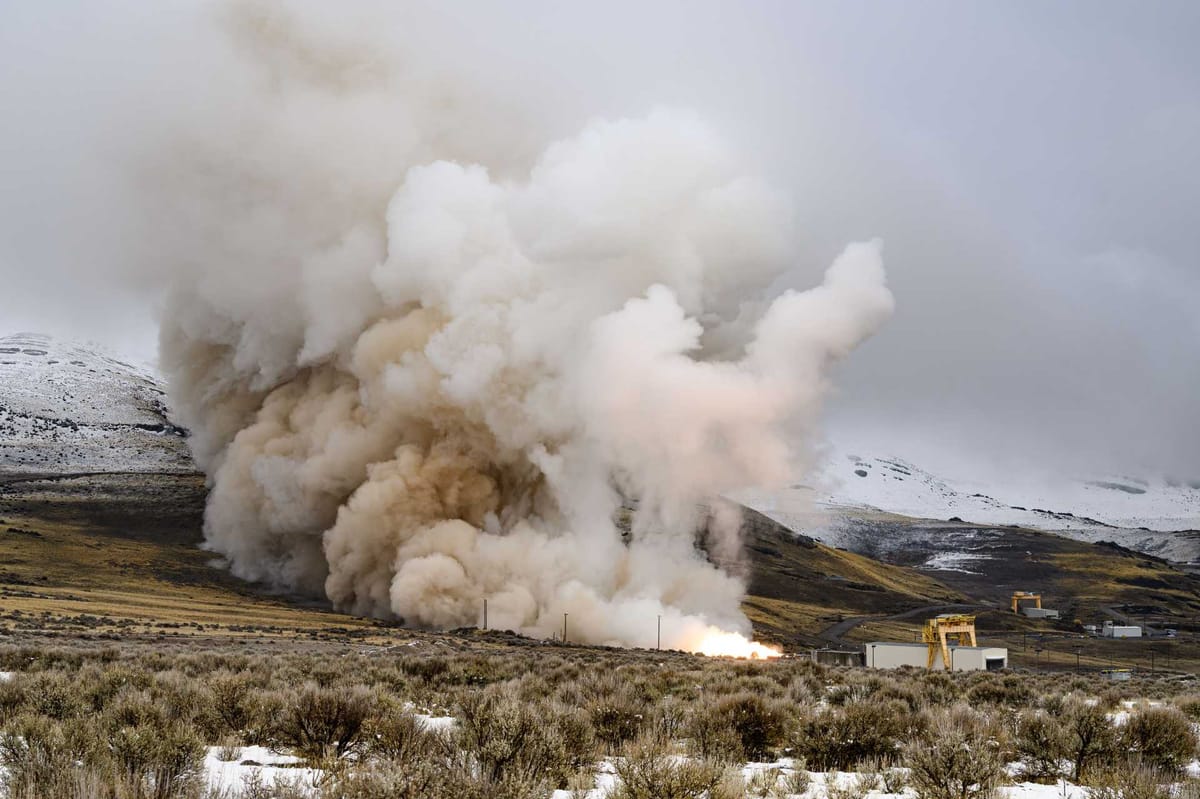
The United States is allocating substantial resources to enhance its military capabilities. A notable investment is the $4.6 billion funding for the Sentinel InterContinental Ballistic Missile (ICBM) program, which is set to replace the aging Minuteman III system. This initiative is part of a broader strategy to strengthen nuclear deterrence and ensure the reliability of America's strategic arsenal.
In a parallel effort, the U.S. government is committing $17.9 billion to develop the Golden Dome air and missile defense system. This system aims to counter threats from China and Russia, enhancing homeland security and operational readiness.
The Strategic Calculus
These developments come at a time when global missile threats are on the rise. North Korea has recently tested five Hwasong-11 ballistic missiles equipped with cluster warhead capabilities, significantly enhancing its precision strike potential and area denial capabilities. Such advancements from adversaries underscore the urgent need for the U.S. to bolster its defensive systems.
Key aspects of the U.S. military's response include:
- Investment in next-generation ICBMs to maintain a credible nuclear deterrent.
- Development of advanced air and missile defense systems to protect against sophisticated threats.
- Improved logistics and sustainment capabilities, as demonstrated by the U.S. Air Force's deployment of new truck transporters for Minuteman III operations.
By the Numbers
The financial commitments and technological advancements reflect a robust defense strategy:
- $4.6 billion for the Sentinel ICBM program.
- $17.9 billion for the Golden Dome air and missile defense system.
- Five Hwasong-11 ballistic missiles tested by North Korea.
Additionally, the ongoing evolution of strategic air defense systems globally is set to play a critical role in countering ballistic missile threats in the coming years. Analysts will be monitoring these developments closely to assess their implications for U.S. military readiness and deterrence effectiveness.
Sources: Armyrecognition, Defensenews, exchangemonitor.com, RealClearDefense, The War Zone, and Arms Control Association