Strengthening Indo-Pacific Defense: U.S. Military Developments and Strategies

Recent military exercises and advancements by the U.S. Army signal a robust commitment to fortifying allied defenses in the Indo-Pacific region. As tensions escalate, particularly concerning the South China Sea, the U.S. is actively enhancing its capabilities to ensure regional stability and deterrence against potential threats.
What Happened
In a series of live-fire exercises conducted in the Philippines, U.S. Army High Mobility Artillery Rocket Systems (HIMARS) demonstrated their strike capabilities from Palawan, reinforcing an emerging coastal defense strategy. These exercises, notably during the Salaknib 2026, have sparked discussions regarding the Philippines' long-range precision strike options and their role in future deterrence strategies.
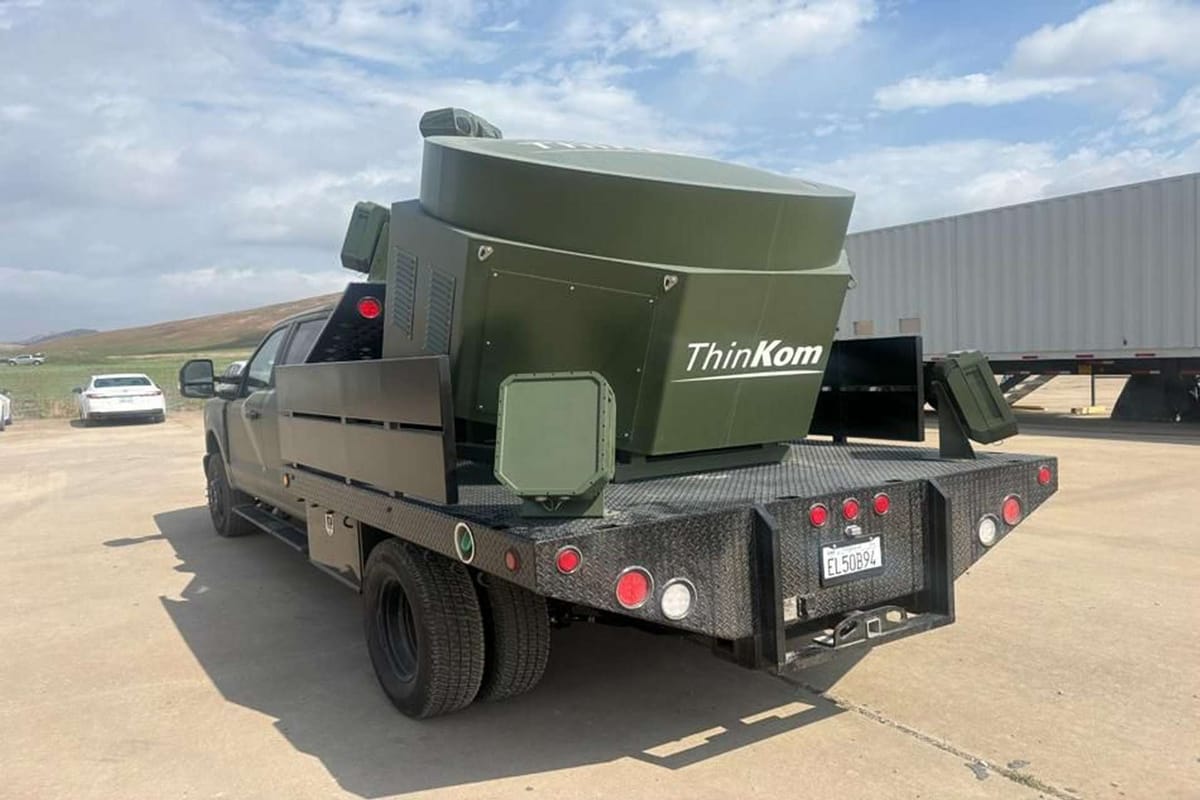
Additionally, the U.S. Army has been testing innovative air defense systems, including a mobile microwave weapon designed to neutralize drones without traditional ammunition. This technology aims to enhance counter-Unmanned Aerial Systems (UAS) defenses, addressing the growing threat posed by drones on the battlefield.
The Strategic Calculus
As part of its broader defense strategy, the U.S. Army is also investing heavily in advanced radar technology. A recent order for the RTX LTAMDS air defense radar, valued at $904 million, reflects a decisive move to counter advanced missile threats. This investment is expected to improve battlefield survivability against sophisticated aerial assaults, further solidifying the U.S. military's posture in the region.
- HIMARS Exercises: Conducted in the Philippines to fortify coastal defense and demonstrate strike capabilities.
- Microwave Drone Killer: Tested to enhance counter-drone defense without the use of traditional munitions.
- LTAMDS Radar Investment: $904 million allocated to bolster air defense against advanced missile threats.
The implications of these developments are significant. The strengthening of allied defenses not only serves to deter adversaries but also reinforces the U.S. commitment to its partnerships in the Indo-Pacific. As tensions rise, these military exercises and technological advancements may alter the strategic landscape of the region.
On the Ground
The live-fire events in the Philippines, particularly the HIMARS demonstrations, have become critical components of U.S. defense strategies. With the backdrop of increasing regional tensions, the collaboration with Philippine forces underscores a shared objective of enhancing maritime security and regional stability.
Furthermore, the testing of the EOS Sling Blade counter-drone system within combined-arms scenarios at Fort Drum showcases the U.S. Army's dedication to integrating advanced technologies in real-world applications. These initiatives not only prepare U.S. forces for potential conflicts but also serve to reassure allies of the U.S. military's readiness and capability.
Overall, the current trajectory of U.S. military investments and exercises in the Indo-Pacific is indicative of a proactive approach to maintaining a strategic advantage in a rapidly evolving security environment.
Sources: Armyrecognition, Army Recognition, facebook.com, European Security & Defence, and defenceconnect.com.au