Strengthening Long-Range Deterrence: A Collaborative Approach Across NATO and the Indo-Pacific

Recent developments in military production and strategic partnerships signal a robust shift in long-range deterrence capabilities across NATO and the Indo-Pacific region. From missile co-production initiatives in Germany to Australia prioritizing local missile manufacturing, these efforts reflect a concerted strategy to enhance regional security postures in response to evolving threats.
What Happened
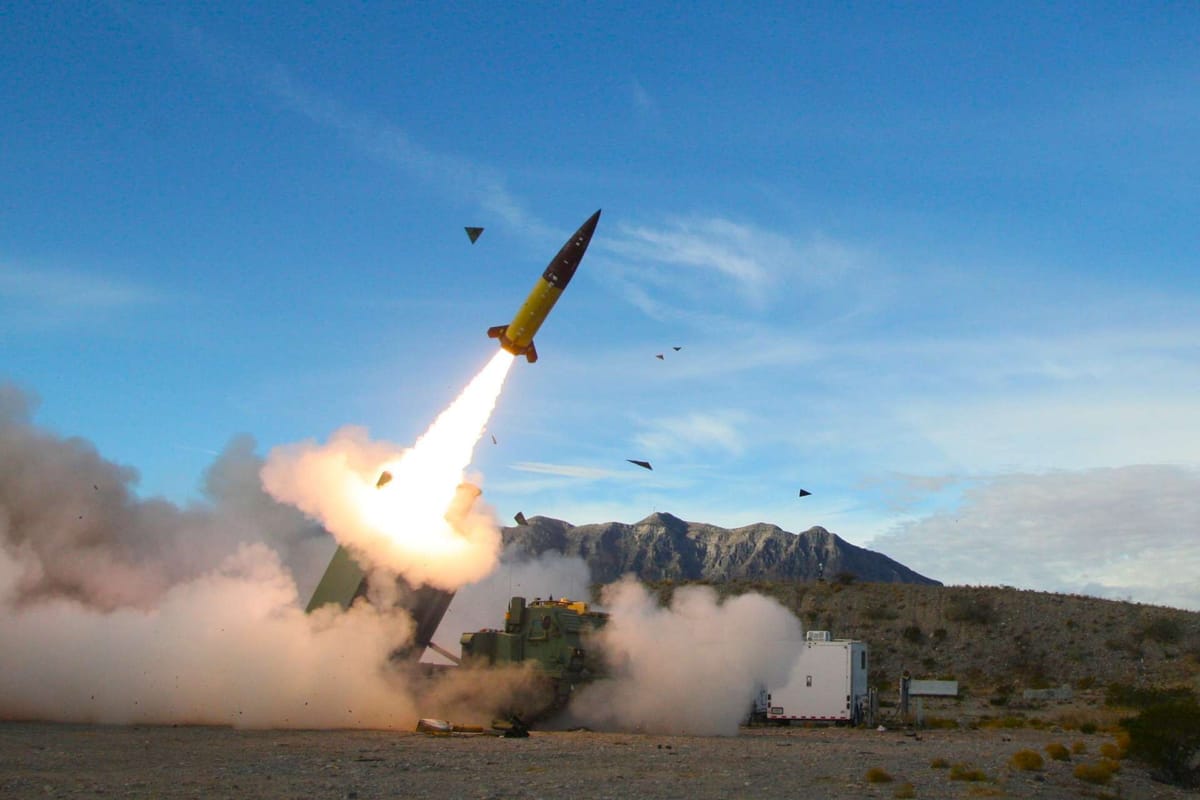
Lockheed Martin and Rheinmetall have initiated a co-production plan for the Army Tactical Missile System (ATACMS) in Germany. This collaboration aims to bolster NATO's deterrence capabilities, reinforcing Europe’s defense industry and signaling a collective commitment to enhanced military readiness. Meanwhile, Australia has also declared missile production a priority for 2026, emphasizing the need for self-reliance in the Indo-Pacific to support allied supply chains.
The Strategic Calculus
The integration of advanced weapon systems is critical for NATO and its allies to address regional security challenges. The following developments highlight key strategic shifts:
- Germany: The ATACMS co-production plan indicates a significant move towards strengthening NATO’s long-range strike abilities.
- Australia: By prioritizing local missile production, Australia aims to enhance its defense posture against potential threats in the Indo-Pacific, thereby increasing its strategic autonomy.
- Albania: Türkiye's MKE is supplying six BORAN 105 mm howitzers to Albania, enhancing NATO's southeastern flank mobility and showcasing Turkey’s expanding defense export capabilities.
- France: The successful live firing of the FLP-T ballistic rocket marks a restoration of France’s long-range strike capabilities, further contributing to NATO's deterrence framework.
Industry Fallout
These initiatives not only strengthen military capabilities but also impact the defense industry landscape significantly:
- The co-production of ATACMS in Germany is expected to stimulate local defense manufacturing and job creation, fostering technological advancements.
- Australia's focus on local missile production may lead to increased collaboration with U.S. defense firms, enhancing interoperability among allies.
- Turkey’s export of military hardware to Albania could pave the way for similar agreements with other NATO members, enhancing overall alliance cohesion.
- France's live fire of the FLP-T underscores the importance of maintaining and modernizing existing capabilities to meet future security challenges.
These collective advancements raise the question of how NATO allies will continue to adapt their defense strategies in light of emerging global threats. Analysts will be monitoring the impact of these production initiatives on overall military readiness and inter-alliance cooperation in the coming years.
Sources: Armyrecognition, Politics Today, Defense Feeds, Daily Sabah, and Anadolu Ajansı