Strengthening NATO: Recent Developments in Defense Production and Training

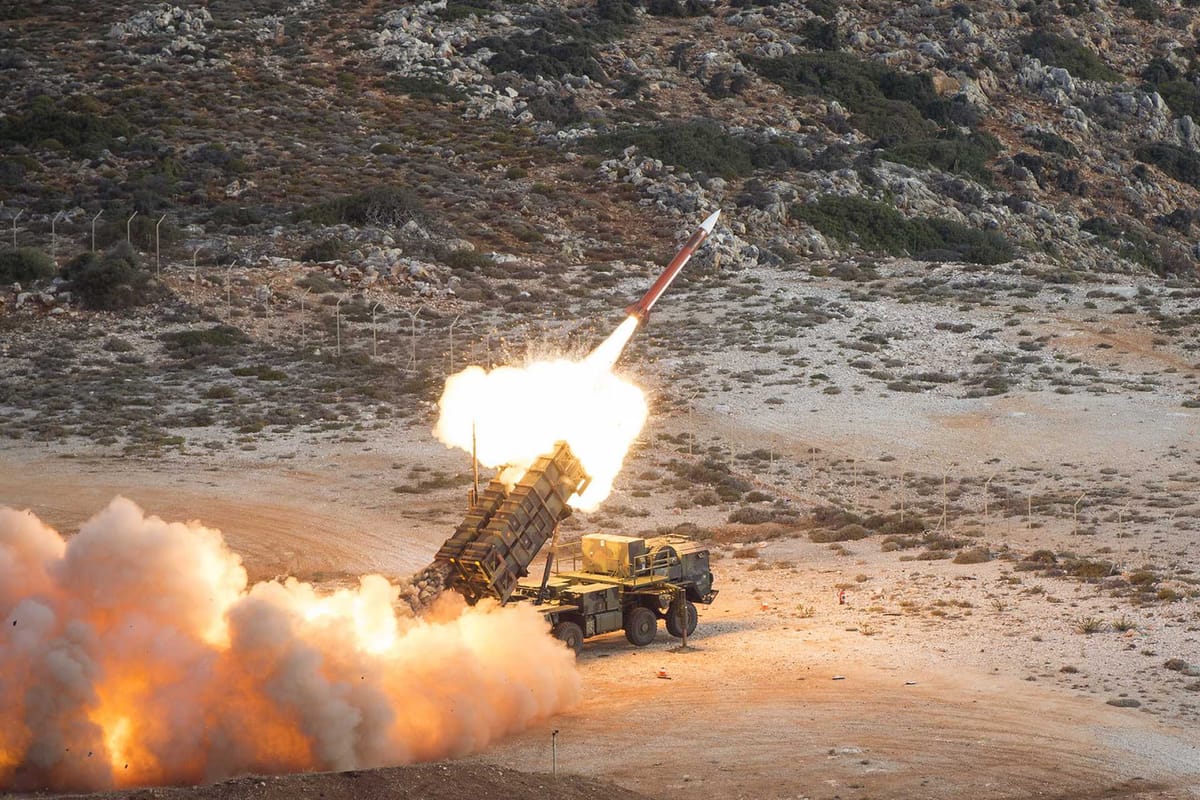
Recent developments at the international level indicate a robust response from NATO member states to ongoing security threats, particularly from Russia. A notable highlight is U.S. President Trump’s announcement at the Ankara NATO summit, granting Ukraine a production license to manufacture Patriot missile interceptors. This strategic move aims to bolster Ukraine’s defense capabilities in light of intensified Russian ballistic strikes while alleviating the pressure on U.S. military stockpiles.
What happened
President Trump’s approval of the production license enables Ukraine to assemble Patriot missile systems domestically, a critical advancement in the ongoing conflict with Russia. This initiative is particularly significant given the current industrial supply chain constraints affecting the production of defense materials. By allowing Ukraine to produce these interceptors locally, the U.S. is not only enhancing Ukraine's military capabilities but also fostering greater self-reliance in its defense operations.
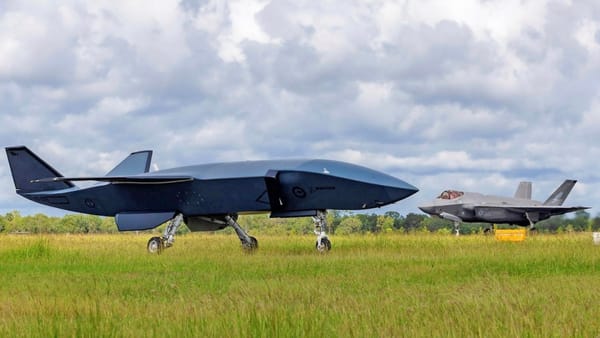
Additionally, Poland has taken steps to strengthen NATO's deterrent posture by partnering with U.S. company Anduril to locally produce the Barracuda-500M cruise missiles. This collaboration aims to enhance Poland’s long-range strike capabilities, further reinforcing the collective defense strategy of NATO against potential aggressors.
The strategic calculus
These developments highlight a significant shift in NATO's approach to defense production and collaboration among member states. Key points of interest include:
- Decentralization of defense production: By enabling countries like Ukraine and Poland to manufacture advanced weaponry, NATO is diversifying its defense production base, which could mitigate risks associated with supply chain vulnerabilities.
- Enhanced deterrence: The production of advanced missile systems aims to deter Russian aggression and reassure NATO allies of collective security commitments.
- Increased regional stability: Empowering Ukraine and Poland to develop their defense capabilities could lead to a more stable security environment in Eastern Europe.
In parallel, intelligence reports reveal that China is secretly training hundreds of Russian soldiers in a covert military program. This initiative, sanctioned by Andrei Belousov, aims to facilitate knowledge transfer from the ongoing Ukraine conflict to Chinese military tactics. The implications of this collaboration raise critical concerns regarding the evolving Sino-Russian defense relationship and its potential impact on NATO's strategic calculations.
What comes next
As NATO continues to reinforce its defense posture, analysts will be watching the outcomes of these initiatives closely. The success of Ukraine's production of Patriot missiles could serve as a model for other nations seeking to enhance their self-sufficiency in defense. Moreover, the implications of the Sino-Russian training program may prompt NATO to reevaluate its strategies in response to emerging threats.
In summary, the recent actions taken by President Trump, Poland, and the intelligence revelations regarding China’s involvement with Russia signal a pivotal moment in NATO’s collective defense strategy. The focus on local production of advanced weaponry coupled with intelligence-sharing initiatives will likely redefine defense collaborations within the alliance.
Sources: Armyrecognition, Kyiv Post, Latest news from Azerbaijan, Atlantic Council, and Devdiscourse