Strengthening NATO's Defense: South Korea and U.S. Initiatives

The landscape of NATO's defense capabilities is undergoing significant transformation through the concerted efforts of U.S. defense contractors and South Korean aerospace firms. As European nations enhance their military readiness in response to regional threats, the collaboration between these two allies is pivotal for meeting the immediate defense needs of NATO member states.
What happened
At the 2026 NATO Defence Industry Forum in Ankara, Hanwha Aerospace revealed its strategy for a European localization initiative, which aligns with South Korea's proposed Korea-NATO Defense Partnership 2.0. This initiative is designed to foster joint production capabilities within Europe, thereby bolstering NATO's defense posture.
In a parallel development, Raytheon has announced plans to double its production of the FIM-92 Stinger missiles in Europe. This move aims to replenish NATO's air defense stocks, specifically targeting threats from drones, helicopters, and cruise missiles. The increase in production reflects the urgency of enhancing air defense capabilities across the alliance.
Key players and their contributions
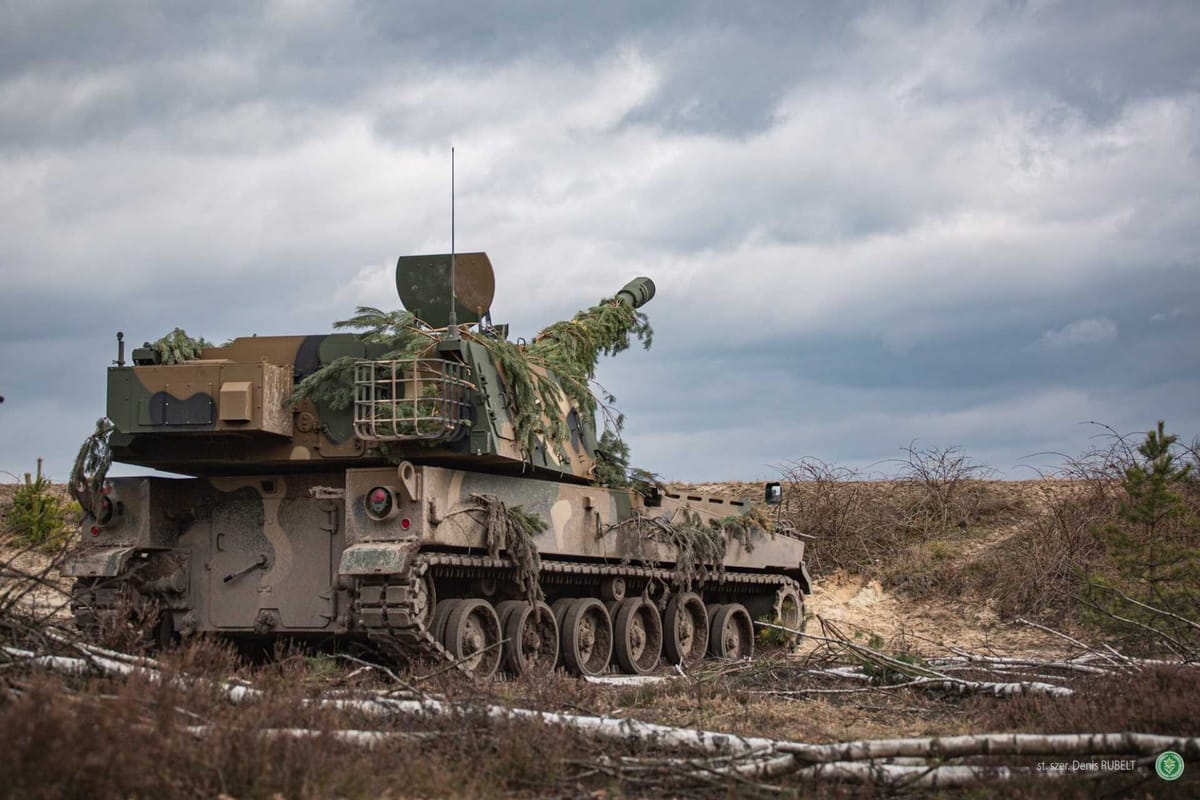
- Hanwha Aerospace: Dispatching the first customized K9PL 155 mm self-propelled howitzers to Poland under a significant contract for 152 vehicles. These systems feature Polish Topaz fire control and Obra-3 protection systems, enhancing the operational capacity of the Polish Armed Forces.
- Raytheon: Doubling Stinger missile production in response to escalating defense demands within the NATO framework.
These actions signal a robust commitment by both South Korean and U.S. firms to address the security challenges facing NATO members, particularly in Eastern Europe.
The strategic calculus
As NATO continues to face evolving threats, particularly from hostile state actors, the collaboration with South Korean defense manufacturers points to a broader strategy of increasing regional production capabilities. This approach not only enhances immediate military readiness but also serves to solidify the transatlantic defense relationship.
By integrating advanced technologies and localized production, NATO aims to:
- Enhance operational flexibility and rapid deployment capabilities.
- Reduce dependencies on external suppliers for critical defense systems.
- Encourage interoperability among NATO forces through standardized equipment.
These developments raise questions about the future of NATO's defense posture and the implications for member states' military budgets and procurement strategies. Analysts will be watching how these partnerships evolve and what impact they will have on collective defense readiness in the face of persistent geopolitical tensions.
Sources: Armyrecognition, Defence Industry Europe, Overt Defense -, Carnegie Endowment for International Peace, and The New York Times