Strengthening U.S. Armored Forces: Major Investments in Modernization and Technology

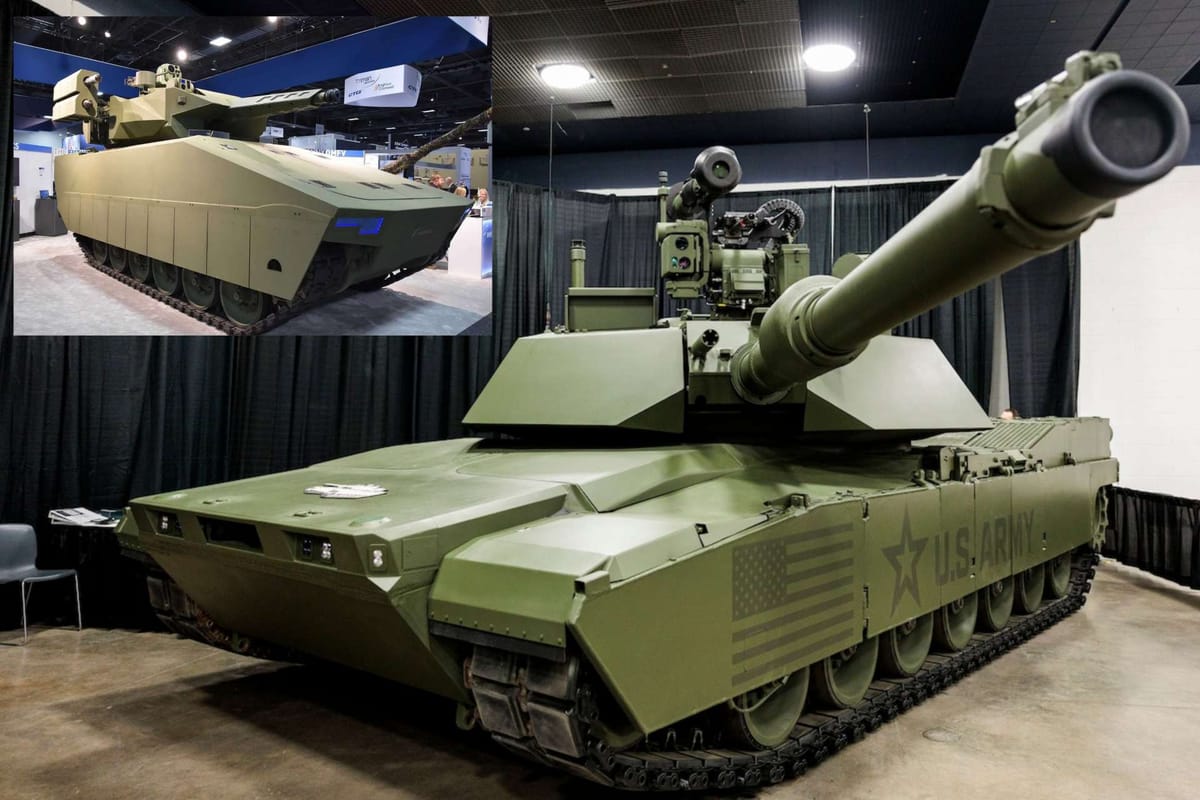
The U.S. Army is intensifying efforts to modernize its armored capabilities, evidenced by a pair of significant funding commitments aimed at enhancing the performance of key platforms in the face of evolving battlefield dynamics. These initiatives focus on the acquisition of advanced technology and the modernization of existing vehicles, underscoring a strategic response to the challenges posed by drone-era warfare.
Funding Allocations and Technological Enhancements
In a robust move to enhance its operational readiness, the U.S. Army has allocated $150 million to integrate 3GEN FLIR thermal imaging systems into the XM30 infantry fighting vehicles (IFVs) and M1E3 Abrams tanks. This investment aims to sharpen thermal targeting capabilities, crucial for maintaining a competitive edge on the battlefield.
Furthermore, as part of the Fiscal Year 2027 budget, the Army has earmarked a substantial $16.8 billion for land power funding. This budget will support the modernization of the:
- AMPV (Armored Multi-Purpose Vehicle)
- M1E3 Abrams tanks
- XM30 IFVs
These investments reflect a strategic shift in how the Army perceives and prepares for warfare in an era characterized by increased reliance on unmanned systems.
The Strategic Calculus of Modern Warfare
The integration of cutting-edge thermal imaging technology is particularly significant as it aligns with the Army's recognition of the need to counter advanced threats. The modernization of the M1E3 Abrams and XM30 IFVs supports a broader strategy to ensure U.S. armored forces remain effective against both conventional and unconventional adversaries.
This raises the question of how these enhancements will influence battlefield tactics and overall military effectiveness. Analysts will be watching closely as the Army implements these upgrades, particularly given the shifting nature of threats posed by unmanned aerial vehicles (UAVs) and other advanced systems in modern combat scenarios.
What Comes Next?
As the Army moves forward with these modernization efforts, several implications emerge:
- The need for ongoing assessments of technological integration and battlefield effectiveness.
- Potential challenges in training personnel to operate and maintain these advanced systems.
- Increased focus on joint operations with other military branches, especially in drone integration.
Ultimately, these steps reflect a commitment to ensuring that U.S. armored forces are not only modernized but also well-prepared to meet the demands of future conflicts.
Sources: Armyrecognition, National Security Journal, AeroMorning.com, 19FortyFive, and The Defence Blog