
Supreme Court Rulings Impacting Election Practices and Privacy Rights

Recent rulings from the Supreme Court have significant implications for electoral processes and privacy rights in the United States. The decisions showcase the Court's evolving stance on critical issues, reflecting the interplay between technology, individual rights, and electoral integrity.
What happened
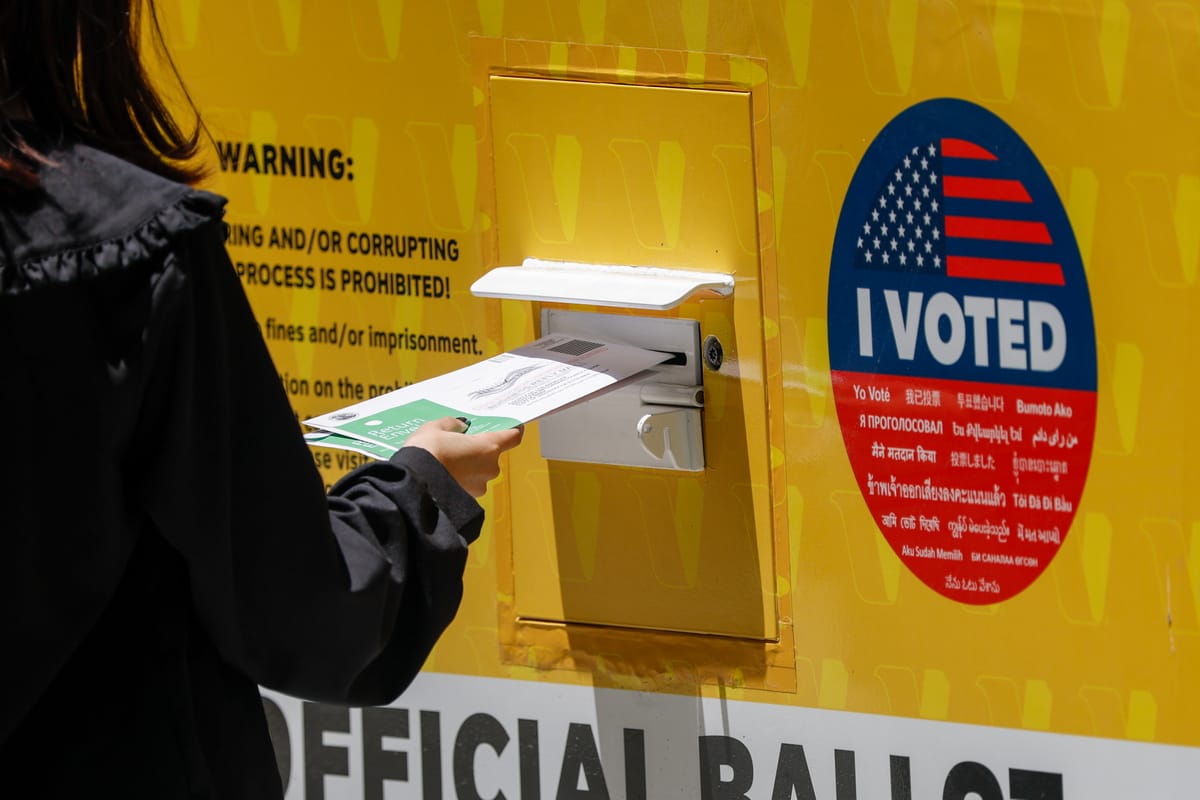
In a notable ruling, the Supreme Court rejected a lawsuit from the Republican National Committee (RNC) regarding mail-in ballots. The Court ruled by a narrow 5-4 margin that states are permitted to count mail-in ballots arriving up to five days after Election Day, provided they are postmarked on time. This decision is expected to influence the administration of upcoming elections, particularly in states that have adopted mail-in voting as a key component of their electoral processes.
In a separate but equally impactful case, the Supreme Court delivered a 6-3 ruling regarding geofence warrants. The justices determined that collecting phone location data constitutes a Fourth Amendment search, thus requiring law enforcement to obtain a warrant before accessing such information. This ruling is a significant step in addressing the privacy concerns surrounding the collection of digital data by governmental entities.
The strategic calculus
The implications of these rulings are multifaceted:
- Election Integrity: The allowance of late-arriving mail-in ballots may lead to increased participation but also raises questions about potential challenges to election integrity. States will need to manage the processing of these ballots carefully to ensure the electoral system remains robust.
- Privacy Rights: The geofence warrant ruling underscores the growing recognition of privacy as a vital consideration in the digital age. Law enforcement agencies will need to reassess their data collection practices to comply with this ruling, which may affect criminal investigations involving digital evidence.
- Political Reactions: These decisions could elicit varied responses from political actors. Some may argue that the mail-in ballot ruling is essential for ensuring democracy, while others could perceive it as a potential opening for electoral fraud. Similarly, the geofence ruling may attract bipartisan support for privacy rights but could face pushback from law enforcement agencies concerned about operational constraints.
What comes next
As states prepare for future elections, officials will need to adapt to the implications of the mail-in ballot ruling. This raises the question of how states will implement and enforce the new guidelines. Analysts will be watching closely to see how these changes affect voter turnout and the political landscape.
On the privacy front, law enforcement agencies will likely need to establish new protocols for obtaining warrants related to digital data collection. This could lead to a reevaluation of investigative practices and may influence the development of future legislation aimed at protecting individual privacy rights.
Overall, the Supreme Court's recent decisions reflect a complex legal environment where electoral practices and privacy rights are continuously evolving, warranting close attention from defense and security professionals.
Sources: Cyberscoop, ABC News - Breaking News, Latest News and Videos, ABC10, Missouri Lawyers Media, and Dallas Express