Supreme Court Weighs Geofence Surveillance in Chatrie v. United States

Overview of the Case
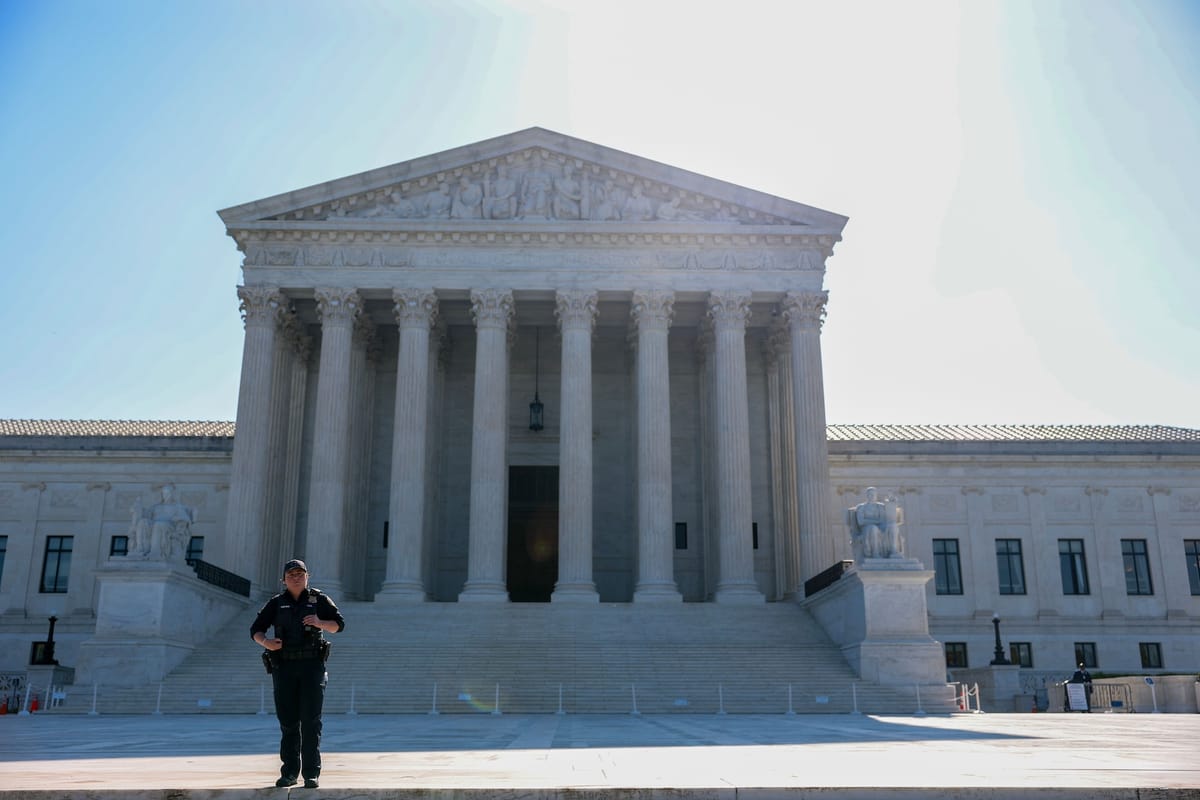
In a significant examination of digital privacy rights, the Supreme Court justices engaged in oral arguments regarding the constitutionality of geofence warrants in the case of Chatrie v. United States. The case raises critical questions about the extent to which law enforcement can utilize advanced surveillance technology to gather data on individuals without probable cause. The oral arguments took place on a date not specified in the source but reflect ongoing concerns about the intersection of technology and civil liberties.
Legal and Social Implications
The justices expressed skepticism toward both sides of the argument, indicating a complex legal landscape surrounding geofence surveillance. This technology allows law enforcement to collect location data from multiple devices within a specified area, often leading to concerns about unwarranted intrusion into personal privacy. As the Court deliberates, the outcome could set a precedent for how digital data is accessed by government entities and may reshape legal standards surrounding Fourth Amendment protections against unreasonable searches.
As discussions evolve, the implications for law enforcement, privacy advocates, and technology companies are significant. This case not only affects current surveillance practices but also shapes the future of digital privacy laws and the balance between security and personal freedoms. Analysts will be watching closely to see how the Court's decision might influence both public policy and individual privacy rights in an increasingly digital world.
Sources: Cyberscoop, PBS, SCOTUSblog, Lawfare, and Cato Institute