Surge in PAC-3 Interceptor Production: Implications for U.S. Defense Strategy

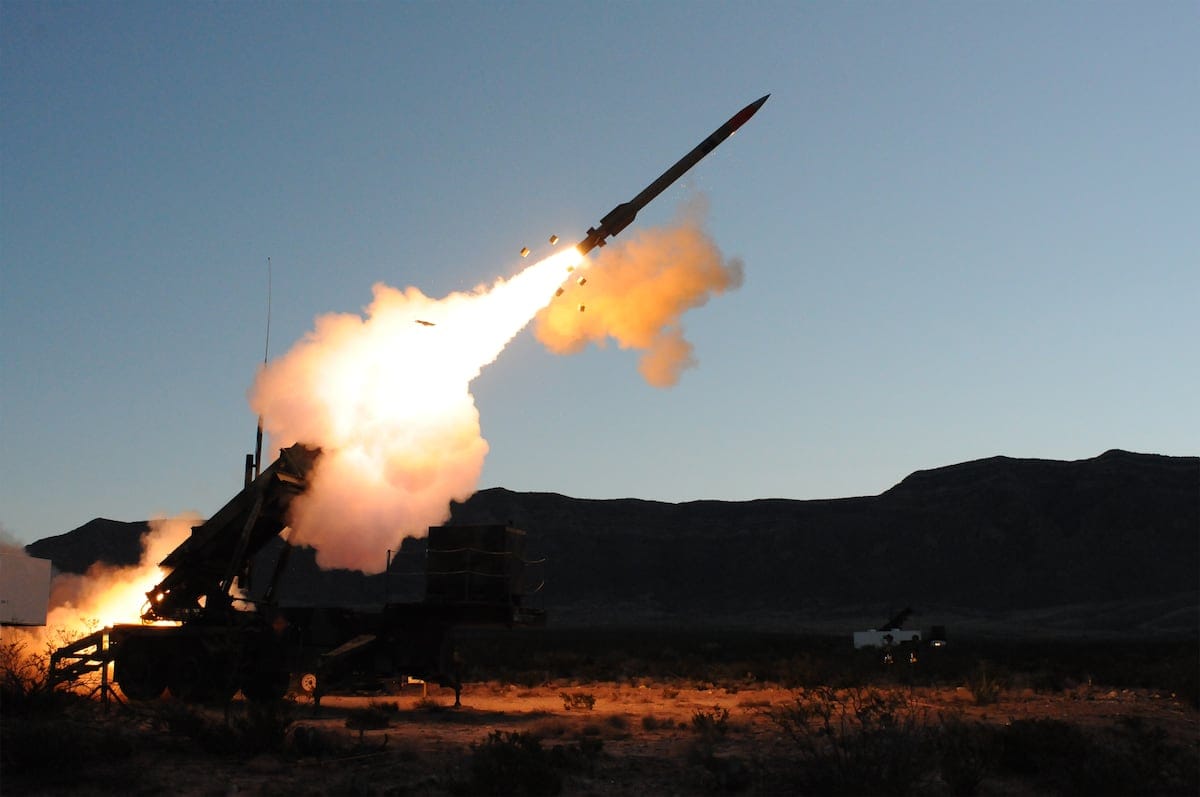
The U.S. Department of Defense is taking significant steps to bolster its missile defense capabilities, marked by recent agreements with Lockheed Martin and Boeing. The Pentagon has authorized a $4.7 billion contract with Lockheed to increase the production of PAC-3 interceptors, while simultaneously securing a deal with Boeing to triple the production of PAC-3 seeker components. This dual initiative underscores a strategic pivot towards enhancing the United States' air defense systems in the face of evolving global threats.
What Happened
In January, Lockheed Martin outlined an ambitious plan to ramp up annual production of the PAC-3 interceptors from approximately 600 to 2,000 units over the next seven years. This initiative aligns with the Pentagon's strategic priorities to enhance missile defense capabilities, particularly in light of increasing missile threats from adversaries. Concurrently, Boeing's contract to increase PAC-3 seeker production complements Lockheed's efforts, ensuring a consistent supply chain to support the enhanced interceptor output.
The Strategic Calculus
The recent agreements reflect a broader strategic calculus within U.S. defense planning. As missile technology proliferates globally, the need for robust air and missile defense systems becomes paramount. Key factors driving this decision include:
- Increased Threats: The rise of advanced missile systems in hostile nations necessitates an immediate response to protect U.S. interests and allies.
- Technological Advancements: Enhancements in PAC-3 seeker technology provide a more effective response to sophisticated aerial threats.
- Industry Collaboration: The partnership between Lockheed Martin and Boeing showcases a united front in addressing defense needs, fostering innovation and efficiency.
By tripling the production of seeker components, Boeing is ensuring that Lockheed’s enhanced production can be met without delay, a crucial factor for operational readiness. This cooperation between two major defense contractors enhances the resilience of the defense supply chain, crucial for timely deployment in crisis scenarios.
What Comes Next
Looking ahead, these production increases will have significant implications for U.S. defense posture. The surge in interceptor production is expected to:
- **Strengthen Deterrence:** A larger stockpile of PAC-3 interceptors may deter potential aggressors from missile strikes.
- **Enhance Interoperability:** Increased production will allow for better integration of air defense systems with allied forces, ensuring a cohesive response to threats.
- **Boost Economic Activity:** The contracts are likely to create jobs and stimulate economic growth within the defense sector, highlighting the industrial impact of military readiness.
In summary, the Pentagon's recent agreements to increase PAC-3 interceptor production represent a proactive measure in the face of escalating global threats. By enhancing its missile defense capabilities, the U.S. is not only bolstering its military readiness but also sending a clear message to adversaries regarding its commitment to national and allied security.
Sources: Defensenews and Defensenews