Sweden Chooses France for New Frigate Class, Strengthening Defense Ties

Sweden's Naval Procurement Decision
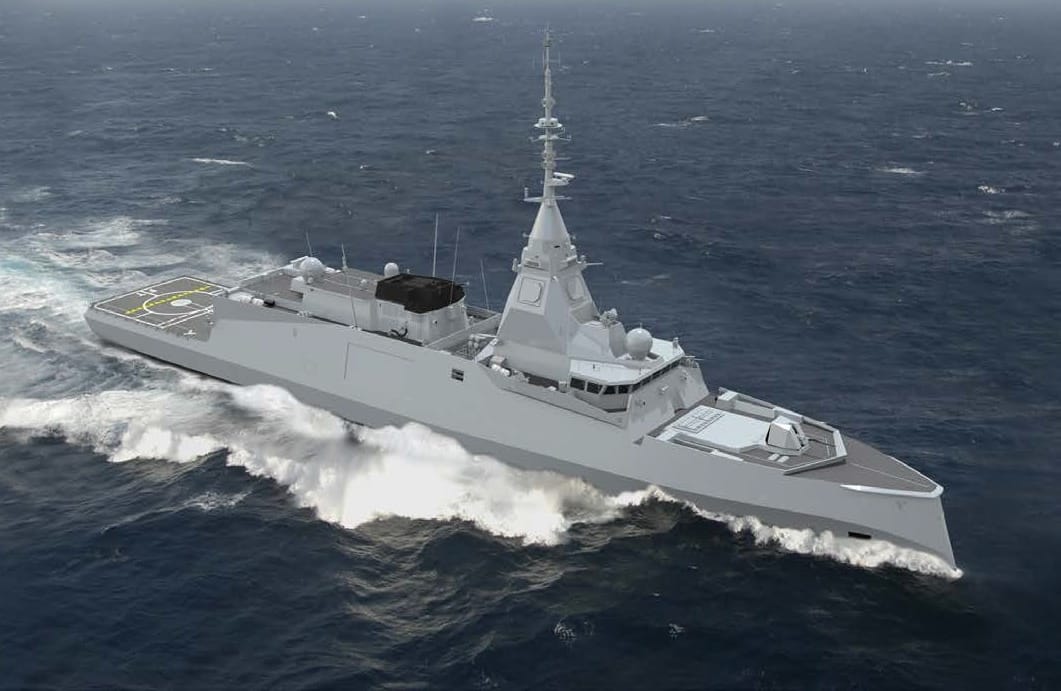
Sweden has selected France’s Naval Group to construct four new Luleå-class frigates, based on the Frégate de Défense et d'Intervention (FDI) concept. This procurement decision, reported by Nordic Defence Review, signifies a notable enhancement of Swedish-French defense cooperation. The choice comes amid heightened strategic importance in the Baltic Sea, which has emerged as a critical area for NATO operations.
Strategic Implications for the Baltic Region
The acquisition of these advanced frigates reflects Sweden's commitment to modernizing its naval capabilities in a region characterized by growing geopolitical tensions. The Baltic Sea has become increasingly vital for NATO's strategic posture, necessitating stronger alliances and enhanced military readiness among member states. By partnering with France, Sweden is not only investing in its defense infrastructure but also solidifying collaborative efforts within NATO, particularly in countering potential threats from near-peer adversaries.
This decision to procure French frigates aligns with Sweden's broader defense strategy, which emphasizes interoperability with NATO forces. As the Baltic Sea continues to be a focal point for military activities, Sweden's move could serve as a catalyst for similar collaborations among NATO allies, potentially inspiring other nations to explore joint defense initiatives.
Why it matters: The implications of Sweden's procurement extend beyond bilateral relations with France. Analysts will be watching how this strengthening of defense ties influences regional security dynamics, particularly in response to Russia's assertiveness in the area. The choice of the FDI concept indicates a trend towards modernization and increased capabilities among NATO allies, which could lead to an intensified focus on collective defense measures in the Baltic region. This development underscores the importance of international partnerships in addressing contemporary security challenges effectively.
Sources: Defence24, Army Recognition, Global Banking & Finance Review, Defence24.com, and Nordic Defence Sector