
Sweden's Selection of French Frigate: Implications for Naval Preparedness

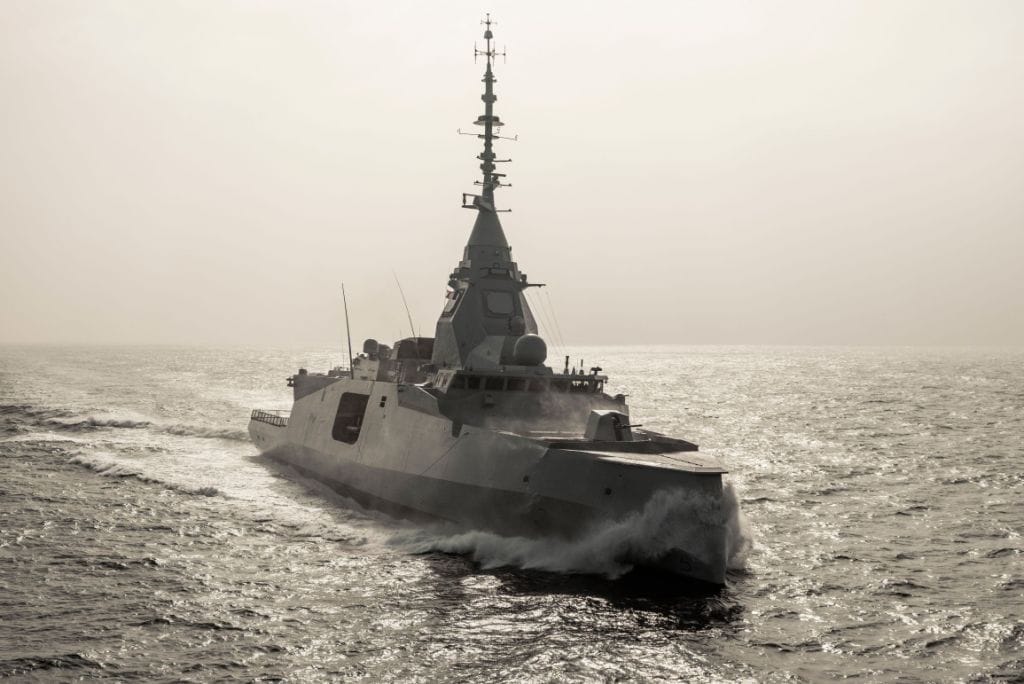
In a notable development for European naval capabilities, Sweden has selected a proposal from France for the delivery of a new frigate. This decision was announced during a press conference held on the Visby-class corvette Härnösand in Stockholm, with Defence Minister Pål Jonson in attendance. The focus of this acquisition is on swift delivery and the maturity of the combat system, particularly for Integrated Air and Missile Defense (IAMD) tasks.
What Happened
Sweden's choice emphasizes its commitment to enhancing maritime security through advanced naval platforms. The decision highlights key factors in the selection process:
- Quick Delivery: The urgency to bolster naval defense capabilities amidst evolving security challenges.
- Combat System Maturity: The preference for proven technologies that can be rapidly integrated into current defense operations.
- IAMD Focus: Addressing the need for robust air and missile defense systems in the face of potential threats.
The Strategic Calculus
The acquisition of French frigates aligns with broader defense strategies across Europe, particularly in the context of heightened geopolitical tensions. The integration of advanced French naval technology supports Sweden's strategic posture in the Baltic Sea region, where naval power remains crucial for national security. Furthermore, the selection underscores a growing trend of European nations collaborating with established defense manufacturers to strengthen their military capabilities.
Simultaneously, the launch of the French Navy’s second Frégate de Défense et d’Intervention frigate, the Amiral Louzeau (D661), at Naval Group's shipyard in Lorient, Brittany, exemplifies France's commitment to expanding its naval fleet. This new class of frigates is designed to offer multi-mission capabilities, which can be a vital asset for allied operations, particularly in IAMD scenarios.
Industry Fallout
The implications of Sweden's decision could reverberate through the defense industry, potentially influencing future naval procurements across Europe. Analysts will be watching how this partnership affects:
- Future acquisitions by other European nations seeking similar capabilities.
- The competitive landscape among defense contractors, particularly for naval systems.
- Collaboration opportunities in joint exercises and operational frameworks between Sweden and France.
As Sweden advances its naval modernization efforts with French support, the interplay of these developments will be critical in shaping the future of European maritime defense.
Sources: Edrmagazine, Thedefensepost, EDR Magazine - European Defence Review, MSN, Joint Forces, and Seeking Alpha




