Swedish Spinout TERASi Unveils Ultra-Compact mm-Wave Radio for Critical Defense, Disaster Relief, and Off-Grid Applications

Advanced Tactical Communications: The Role of TERASi’s Revolutionary RU1 Radio
Introduction to the Next Generation of Military Communications
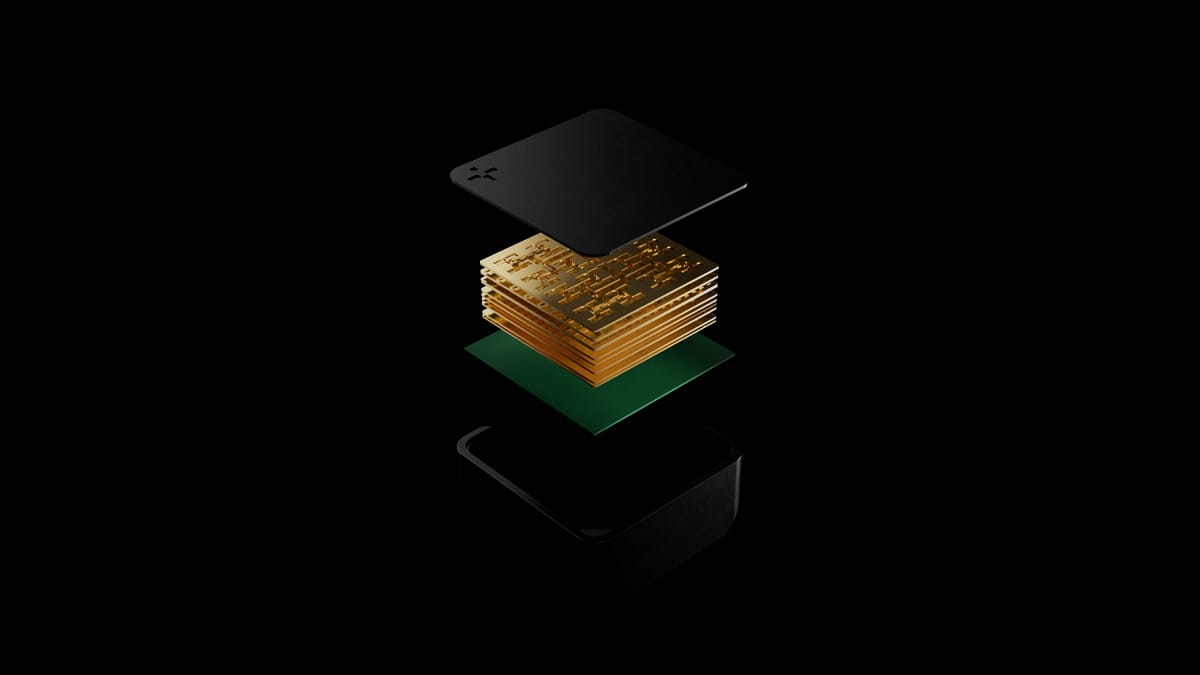
In a rapidly evolving landscape where traditional communication tools often fall short, Stockholm’s TERASi has emerged as a game-changer with its unveiling of the RU1 radio. This ultra-compact device is engineered to provide military-grade security for high-speed communications, especially in critical operational contexts. As defense forces, disaster response teams, and remote industries face increasing operational challenges, robust and secure communication solutions are imperative.
Transforming Connectivity in Challenging Environments
Operational effectiveness is heavily dependent on reliable communication, particularly in hostile or isolated areas. Military operations, humanitarian missions, and sectors like mining frequently encounter limitations imposed by conventional systems. Traditional infrastructure often suffers from:
- Slow Deployment: High-demand scenarios require rapid response capabilities that conventional communications fail to deliver.
- Vulnerability: Dependence on microwave signals increases the risk of interception and electronic warfare.
- Bandwidth Limitations: Activities like real-time video streaming and AI-driven operations require high-capacity data transfer, which traditional technologies struggle to meet.
Recent conflicts, such as the ongoing situation in Ukraine, underscore the risks of over-reliance on commercial satellite networks. The disruption of Starlink services during a critical phase of tactical maneuvers revealed significant vulnerabilities when external providers control essential communication platforms.
Innovative Technology: The RU1 Radio
The RU1, developed as a spinout from KTH Royal Institute of Technology, utilizes groundbreaking technology to overcome existing communication barriers. Key features include:
- Millimeter-Wave Operation: Utilizing bands above 60 GHz allows for highly directed communications that are resilient to jamming and interception.
- Aircore Technology: This patented innovation dramatically reduces the size and weight of components, resulting in a device that is 40 times smaller and up to 100 times lighter than its nearest competitors.
- Rapid Deployment: Designed for flexibility, RU1 can be operational in minutes, deployable on tripods and drones, creating a sovereign wireless backbone without the need for extensive infrastructure.
Given its advanced capabilities, the RU1 offers gigabit-speed connections that outperform satellites by as much as 50 times, ensuring unparalleled speed and adaptability in dynamic environments.
Consequences of Dependence on Commercial Networks
Lessons learned from recent geopolitical events highlight the inherent risks of using commercial satellite systems for military operations. These networks, while functional, often deliver insufficient speeds—averaging around 200 Mbps—and are vulnerable to external control. In contrast, TERASi provides a self-reliant communication solution that eliminates the risk of remote shutdowns or interference from third-party entities, fostering enhanced operational integrity.
Flexibility and Cost Efficiency
The compact design and energy-efficient operation of the RU1 enable deployment in rugged, off-grid situations without reliance on traditional power sources. Key advantages include:
- Mobility: TRASi’s technology facilitates adaptable networking capable of traversing difficult terrains with reduced detection probability.
- Lower Costs: The reduction in size and infrastructure requirements significantly lowers the total cost of ownership, making it a financially viable option for both defense applications and sectors like construction and forestry.
Enhanced Capabilities for Surveillance and Security
The RU1’s high-capacity links allow for seamless integration of real-time sensor data and multiple video feeds without necessitating expensive edge processing. This capability supports:
- Centralized Monitoring: Advanced AI-driven models offer rapid, accurate detection capabilities while streamlining data analysis processes.
- Operational Flexibility: The ability to reposition communication units provides tactical units with a critical advantage in changing scenarios, enhancing response strategies without being tethered to fixed installations.
Leadership Vision and Future Outlook
James Campion, CEO and Co-founder of TERASi, articulates the company’s vision: “With the RU1, we’ve effectively miniaturized what was once a bulky communication system into a compact form that offers immense capabilities. In today’s volatile geopolitical environment, secure and independent connectivity is indispensable for military and humanitarian operations. Our innovative design empowers teams with the ability to quickly establish secure networks, independent of commercial infrastructure.”
As military and operational environments grow increasingly complex, innovations like TERASi’s RU1 are not merely an enhancement but a necessity for ensuring effective communication capabilities in critical situations. This advancement positions defense forces and vital industries for greater operational success, ensuring communication networks remain agile, secure, and reliable.