Taiwan's Diplomatic Challenges Highlighted by Recent Visit to Eswatini

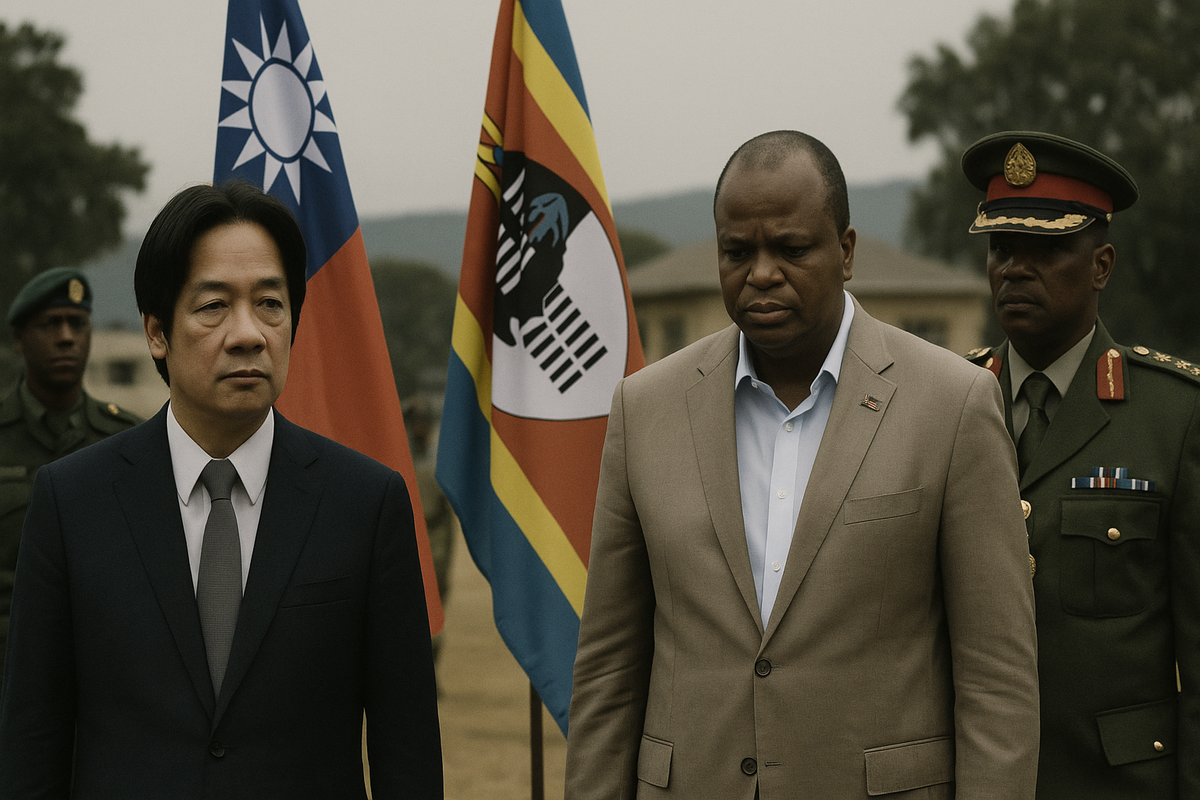
President Lai Ching-te's Diplomatic Efforts
President Lai Ching-te's recent visit to Eswatini underscores Taiwan's ongoing struggle for diplomatic recognition in a rapidly shifting geopolitical landscape. This trip, which took place amidst Taiwan's dwindling number of formal diplomatic allies, highlights the challenges faced by the island nation in securing its international presence.
Taiwan currently maintains official relations with a limited number of countries, primarily in the Caribbean and Central America. The visit to Eswatini, one of Taiwan's few remaining allies in Africa, signals an urgent need for Taiwan to reinforce its existing partnerships while seeking new opportunities for cooperation. As nations increasingly align with the People's Republic of China for economic and political reasons, Taiwan's diplomatic space is contracting, necessitating innovative strategies to sustain its international relations.
Implications for Taiwan's Global Standing
This raises the question of how Taiwan can adapt its diplomatic strategies in response to the growing influence of China. Analysts will be watching to see if Taiwan can leverage its economic strengths and democratic values to appeal to other nations that may be hesitant to sever ties with Taiwan for the sake of relations with China. Additionally, as Taiwan seeks to maintain its presence on the global stage, it may need to enhance its soft power initiatives, such as cultural exchanges and economic partnerships, to foster goodwill and support among potential allies.
Ultimately, the implications of Taiwan's diplomatic efforts extend beyond its bilateral relations. As global dynamics continue to evolve, Taiwan's ability to secure recognition and support could significantly influence regional stability and the broader balance of power in Asia. The international community's response to Taiwan's plight will be crucial in shaping the future of its diplomatic standing.
Sources: Geopoliticalmonitor, Geopolitical Monitor, Global Taiwan Institute, Time Magazine, and Modern Diplomacy