Tensions Escalate in the Strait of Hormuz: A Multifaceted Military Response

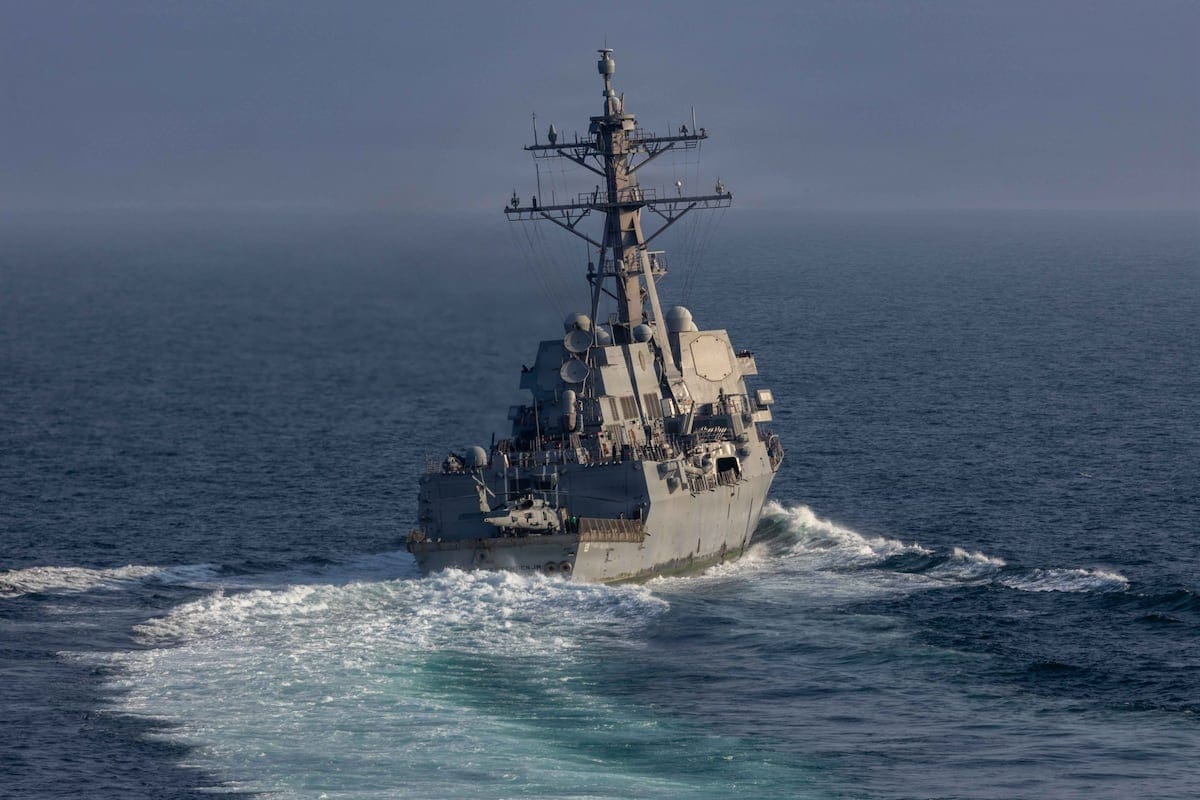
The situation in the Strait of Hormuz has reached a critical juncture as the U.S. military ramps up its presence in the region amid escalating hostilities with Iran. President Trump has declared an immediate blockade, signaling a significant shift in U.S. military posture. The recent actions come on the heels of multiple incidents, including the downing of an F-15E fighter jet and the crash of an A-10 Thunderbolt II, highlighting the intensity of the ongoing conflict.
What Happened
As of this weekend, the U.S. Navy has reportedly begun efforts to clear the Strait of Hormuz, a vital waterway for global oil transit. The President's proclamation emphasizes a zero-tolerance policy towards Iranian aggression, stating, “Any Iranian who fires at us, or at peaceful vessels, will be BLOWN TO HELL!” This rhetoric underscores the administration's commitment to safeguarding freedom of navigation in the face of increasing threats from Iranian forces.
Multiple reports indicate that U.S. Navy ships are actively operating within the strait, a move designed to deter Iranian provocations. This escalation follows the downing of a U.S. fighter jet, with analysts expressing concerns about the U.S. lack of air superiority in the region, as highlighted by military experts Max Bremer and Kelly Grieco. They argue that the current operational environment reflects a significant challenge in maintaining control over airspace, which is critical for effective naval operations.
The Strategic Calculus
The Strait of Hormuz serves as a strategic chokepoint, through which approximately 20% of the world’s oil supply passes. The tension in this region not only affects energy markets but also has broader implications for international security. The U.S. military's actions can be viewed through several lenses:
- Deterrence: The blockade aims to deter Iranian aggression and reassure allies in the region.
- Operational Readiness: Increasing U.S. naval and air force presence indicates a commitment to rapid response capabilities.
- Regional Stability: Continued military engagement may inadvertently escalate tensions with Iran, complicating diplomatic avenues.
Moreover, the incidents involving U.S. aircraft lend weight to concerns regarding the operational environment in the region. The crash of the A-10, coupled with the loss of the F-15E, raises questions about the effectiveness of U.S. air operations and the potential for further losses in a high-stakes environment.
What Comes Next
Looking ahead, the situation in the Strait of Hormuz is poised to evolve rapidly. The U.S. military's increased presence may provide temporary stability; however, it risks further entrenching the conflict with Iran. Key considerations include:
- Potential for Escalation: Iran may respond to U.S. actions with its own military posturing, leading to a cycle of retaliation.
- Impact on Global Oil Prices: Any disruptions in the Strait could trigger significant fluctuations in oil markets, affecting economies worldwide.
- International Diplomatic Efforts: The U.S. must balance military efforts with diplomatic solutions to de-escalate tensions.
The unfolding dynamics in the Strait of Hormuz require vigilant monitoring. U.S. defense professionals must remain prepared to adapt strategies in response to rapidly changing circumstances, ensuring that both military readiness and diplomatic channels remain viable. As this situation develops, the implications for regional and global security will be profound.
Sources: Defensenews, Defensenews, Defensenews, and Defensenews