The AIM-9 Sidewinder: A Transformative Force in Aerial Combat

Overview of the AIM-9 Sidewinder
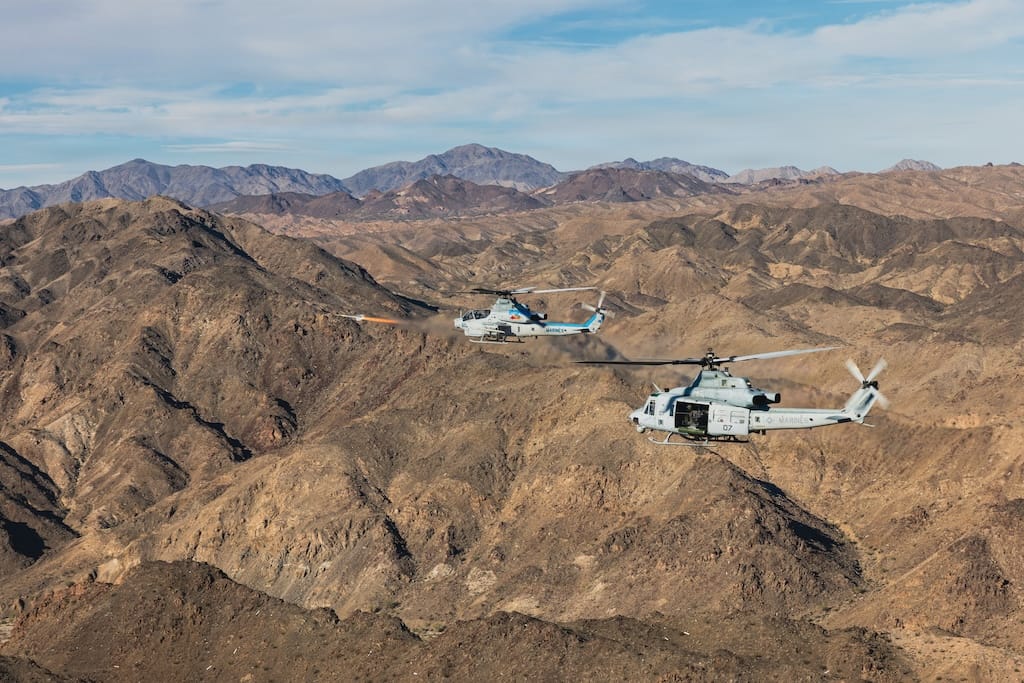
The AIM-9 Sidewinder missile, a significant innovation in air-to-air combat, has reshaped dogfighting since its introduction. Developed by the United States in the 1950s, it employs advanced guidance technology and has played a crucial role in various conflicts, proving its effectiveness against enemy aircraft.
Technological Advancements and Combat Impact
With its infrared homing capability, the AIM-9 Sidewinder can lock onto heat signatures, allowing pilots to engage targets with remarkable accuracy. This guidance technology has notably enhanced the survivability of aircraft in combat, enabling quicker response times during engagements. The missile's versatility has been evident in numerous military operations, where it has been successfully deployed by multiple air forces worldwide.
The AIM-9 has undergone several upgrades and iterations, maintaining its relevance in modern warfare. As threats evolve, the missile's continuous advancements ensure that it remains a key asset for air superiority. Its role in recent aerial engagements reflects a shift towards more agile and technologically sophisticated combat scenarios, making it an essential component of air defense strategies.
Why It Matters
The ongoing relevance of the AIM-9 Sidewinder underscores the importance of maintaining cutting-edge missile technology in an increasingly competitive global landscape. With nations investing heavily in their aerial capabilities, this raises the question of how future developments in missile technology will shape air combat dynamics. As military analysts observe these trends, the enduring presence of the AIM-9 serves as a reminder of the need for innovation in defense systems to counter emerging threats effectively.
Sources: Thedefensepost, The Defense Post, Defence Security Asia, The War Zone, and News.com.au