The Arms Industry's Expanding Role in Global Defense Dynamics

Understanding the Arms Industry's Influence
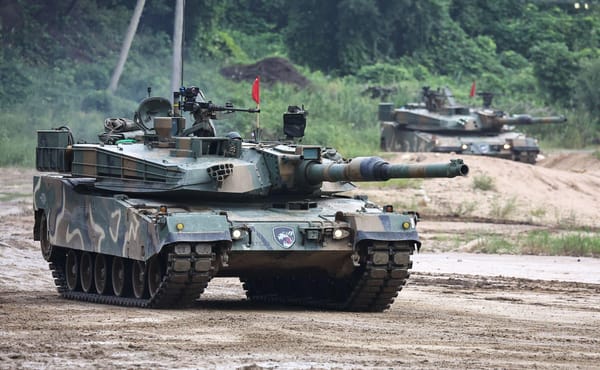
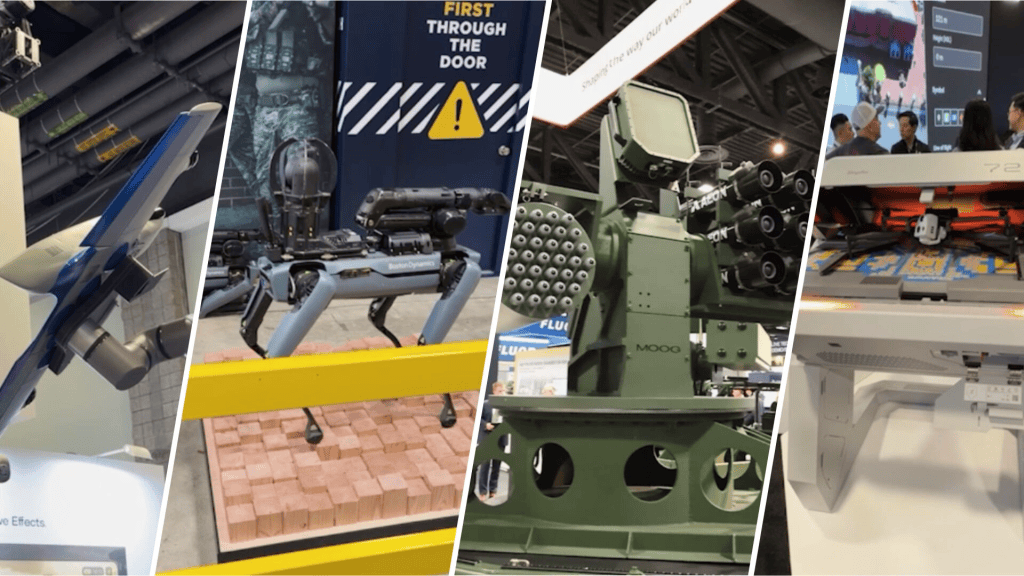
The arms industry has increasingly become a significant player in global defense strategies, acting as a business, a tool of foreign policy, and a mechanism of intimidation amid rising international tensions. This evolution is evident as nations bolster their military capabilities in response to global conflicts and the perpetual arms race that shapes contemporary security environments.
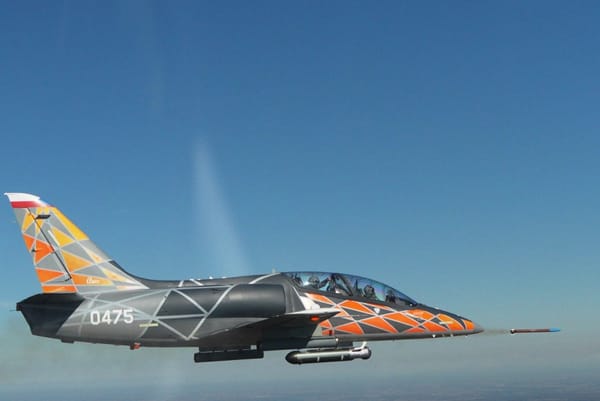
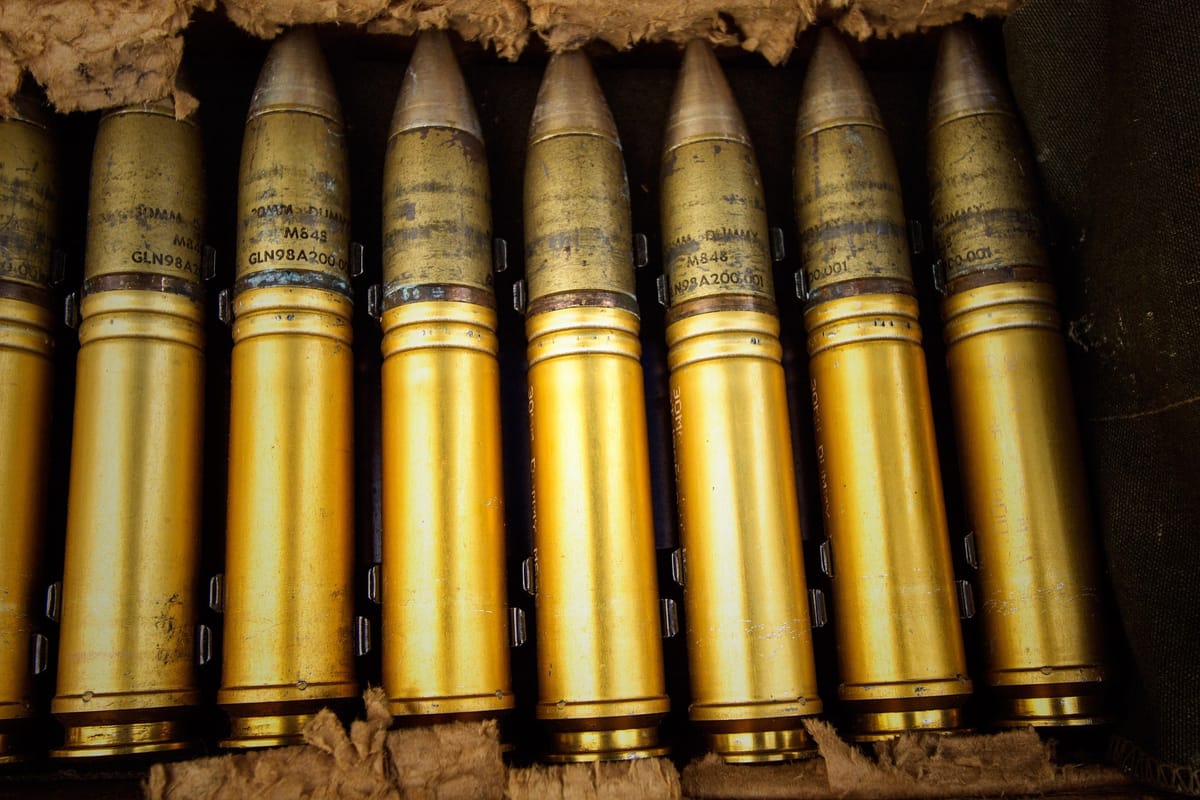
Central to the arms industry's influence is the demand for weapons, which is substantially driven by ongoing global conflicts. However, these conflicts are not the only factor contributing to increased arms production and stockpiling. Nations are recognizing the importance of maintaining substantial weapons stockpiles to support their own national defense. This trend suggests a shift towards a more militarized approach to international relations, where the accumulation of arms serves both defensive and offensive purposes.
Implications for Future Defense Strategies
The implications of these developments are profound. As countries continue to invest in their military capabilities, analysts will be watching how this impacts regional stability and international relations. The rise in arms production not only indicates a preparedness for potential conflicts but also raises concerns about the escalation of tensions as nations seek to outpace one another in military readiness. This dynamic underscores the necessity for comprehensive arms control agreements and dialogue to mitigate the risks associated with an arms race.
Ultimately, the evolving role of the arms industry is a critical factor shaping the future landscape of global security. The question remains: how will nations balance their military ambitions with the need for diplomatic engagement in an increasingly polarized world?
Sources: Defence24, DW.com, The New York Times, The Japan Times, and TradingKey