The Enduring Legacy of the F-16 Fighting Falcon

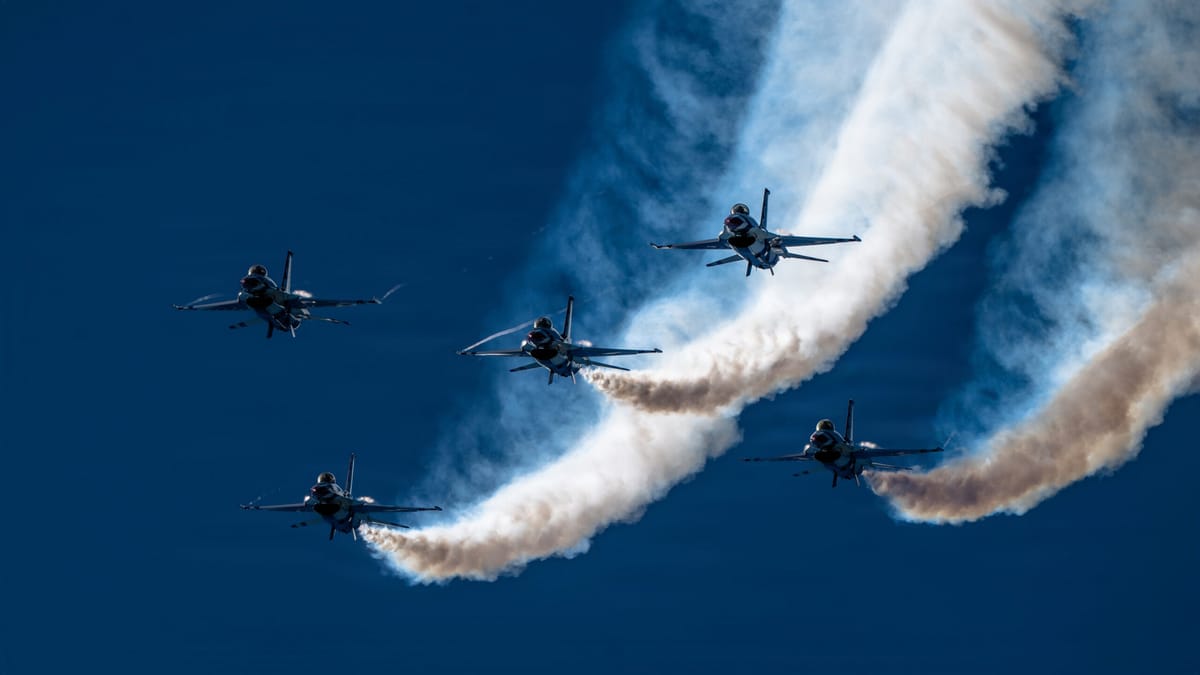
Overview of the F-16's Development and Impact
The F-16 Fighting Falcon has solidified its place as one of the most successful fighter aircraft globally since its introduction. Developed in the 1970s, this multirole jet has been pivotal in various military operations, showcasing versatility and advanced capabilities. As of its continued service, the F-16 remains a crucial asset for numerous air forces around the world, proving its operational effectiveness across diverse combat scenarios.
Significance and Future Implications
Throughout its history, the F-16 has undergone numerous upgrades, enhancing its avionics, weapons systems, and overall performance. The aircraft's ability to adapt to evolving warfare requirements highlights its significance in modern military strategy. Current geopolitical tensions and the need for advanced air capabilities may lead to increased interest in the F-16, particularly among allied nations seeking to bolster their air defenses. Additionally, its widespread use by various air forces ensures that the F-16 will remain a focal point in discussions about air power and military readiness.
As military analysts observe the trends in defense procurement and modernization efforts, the F-16 stands out as a model of adaptability. This raises the question of how future upgrades and potential new variants will influence air combat dynamics. With countries continually evaluating their aerial capabilities, the legacy of the F-16 could shape the next generation of fighter aircraft in terms of design and operational doctrine.
Sources: Thedefensepost, The National Interest, U.S. Department of War (.gov), Task & Purpose, and nationalguard.mil