The Future of NATO Defense Strategies: Drones and Policy Shifts

The NATO summit in Ankara has set the stage for significant changes in defense strategies among member nations, particularly with a focus on technological advancements and policy reorientation. As the alliance prepares for an evolving global security landscape, the implications of these developments could reshape NATO's operational capabilities and partnerships.
What Happened
During the NATO summit, Canadian Prime Minister Mark Carney outlined an ambitious agenda that marks a notable shift in Canada’s defense policy, contrasting sharply with the approaches of previous governments. This strategic reorientation emphasizes the need for NATO to adapt to new challenges and threats, particularly in the context of modern warfare.
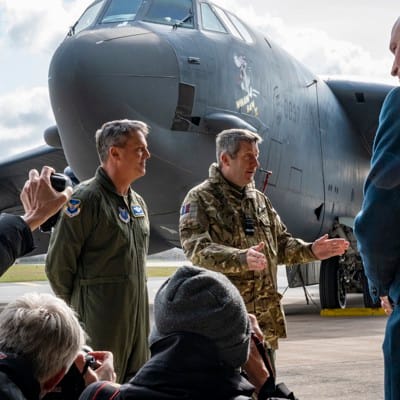
In a forward-looking statement, Air Chief Marshal Johnny Stringer highlighted Ukraine's plans to manufacture 5 million drones in 2026. This projection underscores the growing importance of unmanned aerial systems in contemporary military operations. Stringer pointed out that NATO must learn from the U.S. war on Iran, implying that lessons from past conflicts are crucial for future preparedness.
The Strategic Calculus
The emphasis on drone production and technological innovation reflects a broader trend within NATO to enhance collective defense capabilities. Key points from the summit and Stringer’s statements include:
- Increased focus on unmanned systems: The anticipated production of drones by Ukraine signifies a shift towards integrating advanced technologies into military strategies.
- Learning from historical conflicts: The analysis of the U.S. engagement in Iran suggests that NATO can adapt its strategies by examining past military operations.
- Canada’s new defense posture: Under Prime Minister Carney, Canada is repositioning its defense priorities to better align with NATO's evolving needs.
This raises the question of how other NATO members will respond to these developments, particularly in terms of integrating similar technologies and strategies into their own military frameworks. Analysts will be watching closely as countries reassess their defense policies in response to Canada's initiatives and Ukraine's ambitious drone program.
Industry Fallout
The projected increase in drone production in Ukraine could have significant implications for the defense industry, potentially influencing procurement priorities and technological collaborations among NATO allies. The focus on drones may also drive innovation in related sectors, such as AI and cybersecurity, as nations seek to enhance their military capabilities.
As NATO navigates these changes, the importance of collaboration among member states will be paramount. The alliance's ability to adapt and integrate new technologies, such as drones, will be crucial for maintaining a competitive edge against potential adversaries.
Moving forward, the alliance must balance traditional military readiness with the integration of emerging technologies to ensure comprehensive defense strategies are in place.
Sources: Defenseone, Defence24, North Atlantic Treaty Organization | NATO, Defense News, Center for European Policy Analysis (CEPA), and CBC