The Impact of J-20 Mighty Dragon Fighters on PLAAF Capabilities

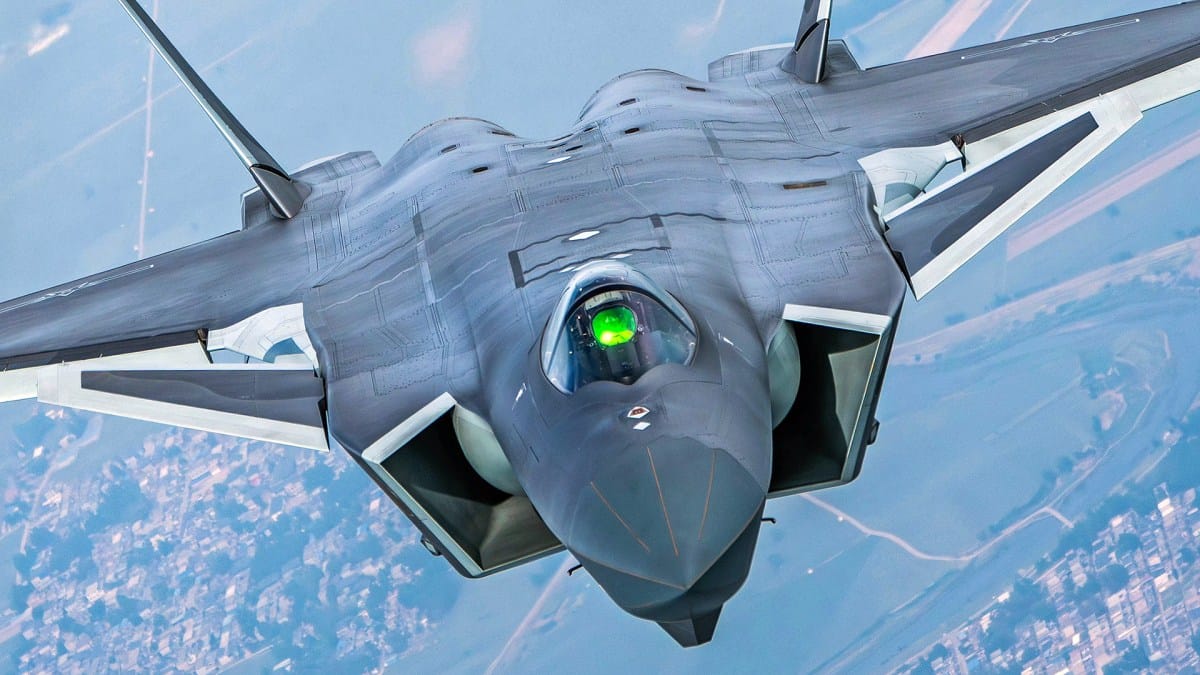
Overview of the J-20 Mighty Dragon
The J-20 Mighty Dragon fighter jet is significantly enhancing the capabilities of the People's Liberation Army Air Force (PLAAF). As attention shifts toward sixth-generation aircraft designs, the J-20 continues to assert its influence through impressive production numbers. This ongoing development underscores China's commitment to modernizing its aerial combat capabilities.
Context and Analysis
While many defense analysts focus on the advancements associated with next-generation aircraft, the scale of J-20 production is a transformative factor for the PLAAF. The sheer volume of these fighters being introduced into service suggests a strategic emphasis on quantity alongside evolving technological sophistication. This dual approach reflects a comprehensive strategy to enhance both numerical strength and technological prowess in aerial warfare.
The implications of this production scale are substantial. The J-20's integration into the PLAAF not only bolsters air superiority but also affects regional military dynamics. As China continues to roll out these aircraft, its ability to project power and maintain air defense in contested environments is likely to improve, posing potential challenges for neighboring countries and U.S. military interests in the region.
Why it Matters
The increased production of J-20 fighters raises questions about future air engagements and the balance of power in the Asia-Pacific region. Analysts will be watching closely as these capabilities unfold and how they influence the strategic calculations of the United States and its allies. The growing presence of J-20s could prompt an arms race in advanced aerial capabilities, necessitating a reassessment of existing defense postures and strategies to ensure regional stability.
Sources: Twz, The National Interest, 19FortyFive, and Simple Flying