The Potential Return of the F-14 Tomcat: Implications of the Maverick Act

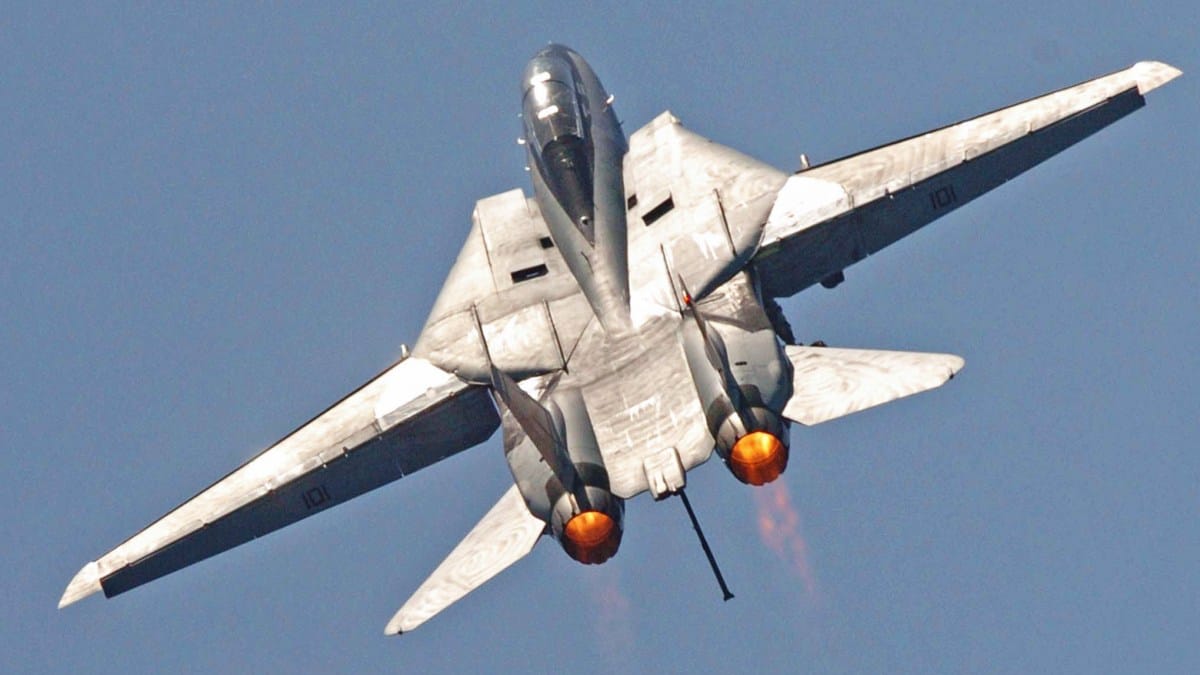
New Legislation Could Revive a Classic Fighter
The "Maverick Act," a legislative proposal currently under consideration, could lead to the reactivation of the F-14 Tomcat for the first time in 20 years. This initiative seeks to address the growing needs of the U.S. military by potentially bringing back this iconic aircraft into operational status.
Historically, the F-14 Tomcat has been celebrated for its versatility and advanced capabilities during its time in service. While it was retired from the U.S. Navy in 2006, its legacy in air superiority and carrier operations is well remembered. The Maverick Act, if passed, would signify a shift in military strategy, possibly reflecting a response to evolving threats and a renewed emphasis on air dominance. Analysts suggest that the revival of the F-14 could bolster the U.S. Navy's tactical flexibility, especially in contested environments.
Strategic Implications of Reactivating the F-14
The potential reintroduction of the F-14 Tomcat raises significant questions about the future of U.S. military aviation. This initiative demonstrates a willingness to leverage proven technology alongside modern advancements, suggesting a hybrid approach to military readiness. Moreover, it underscores the importance of maintaining a diverse fleet capable of addressing various operational scenarios.
The implications are far-reaching; if successful, this move could encourage similar initiatives for other retired platforms, impacting defense budgets and procurement strategies. Defense professionals will be closely monitoring the progress of the Maverick Act and its potential effects on U.S. military capabilities and strategic posture in the coming years.
Sources: Twz, The Aviation Geek Club, We Are The Mighty, 24/7 Wall St., and businessinsider.com