The Rise of Geran-2 Strike Drones in Modern Warfare

Emerging Threats from Unmanned Systems
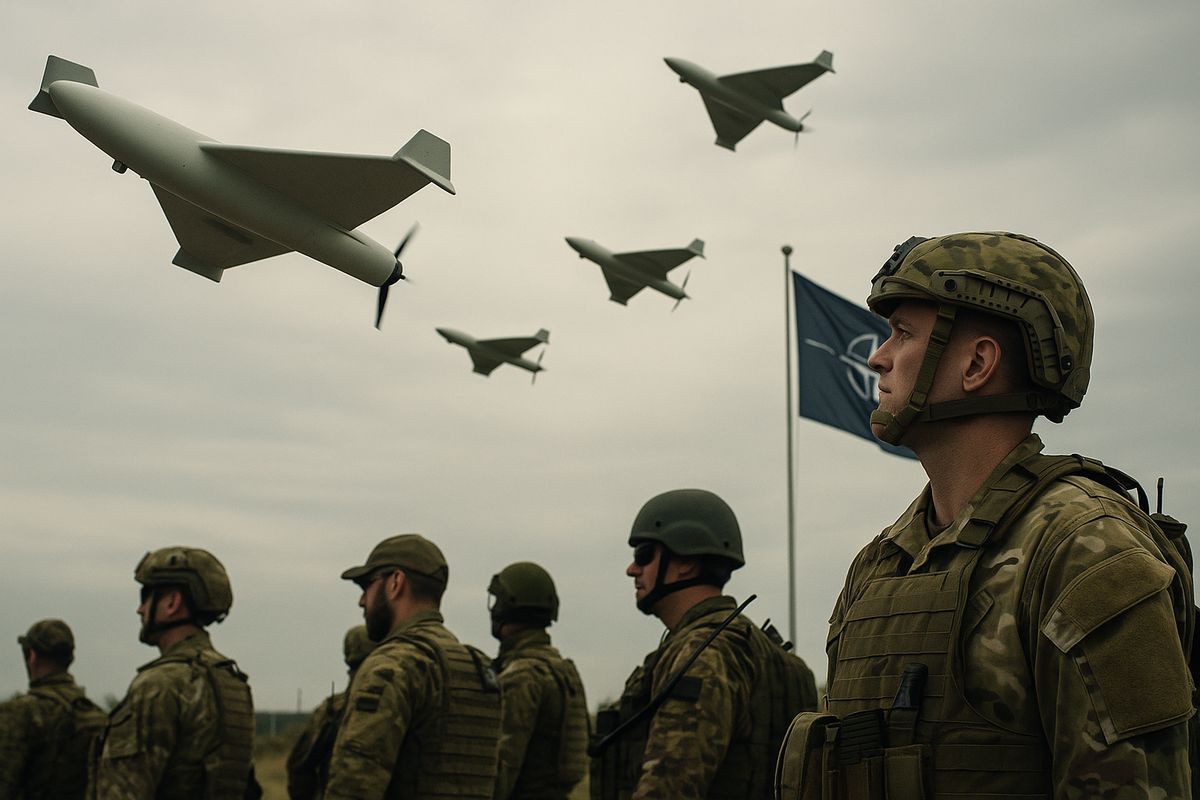
Recent conflicts, particularly in Ukraine and Iran, have underscored the increasing importance of strike drones, such as the “Geran-2,” in contemporary warfare. The transformation of these unmanned systems into a network-centred combat system poses a strategic threat not only to EU countries but also to NATO members. As these drones become more sophisticated and integrated into military operations, their potential for disrupting traditional defense frameworks grows significantly.
As military engagements evolve, the Geran-2 drones exemplify the shift towards unmanned warfare, where drones can operate in coordinated networks, enhancing their operational effectiveness. The recent utilization of such systems in active war zones demonstrates their capability to conduct precision strikes, gather intelligence, and perform reconnaissance missions. This trend reflects a broader shift in military strategy, where reliance on advanced technology is pivotal for maintaining an advantage on the battlefield.
Implications for Future Defense Strategies
The emergence of these drones raises critical questions about the future of air defense and counter-drone strategies. NATO and EU nations may need to reassess their military doctrines to effectively counter the threats posed by such unmanned systems. The integration of strike drones into the combat environment emphasizes the necessity for enhanced surveillance and rapid response capabilities to mitigate risks associated with their deployment.
As the landscape of warfare continues to change, the implications for defense strategies are profound. This situation emphasizes the need for robust countermeasures and the development of new technologies to maintain operational superiority. Analysts will be watching how NATO and EU countries adapt to these developments, as the successful integration of drone technology into military operations could redefine engagement protocols and alter the balance of power in future conflicts.
Sources: Defence24, Royal United Services Institute (RUSI), Small Wars Journal, sUAS News, and Defence Security Asia