The US Navy Revives a Unique Laser Weapon System

U.S. Navy Revives High-Energy Laser Weapon for Military Exercise
Overview of Laser Weapon System
The U.S. Navy recently disclosed that it spent over six months revitalizing its high-energy laser weapon system, originally deployed on a warship, to participate in a significant military exercise last year.
- Directed Energy Systems Integration Laboratory (DESIL): Located at Naval Base Ventura County, California, this facility specializes in evaluating laser weapon capabilities in maritime settings.
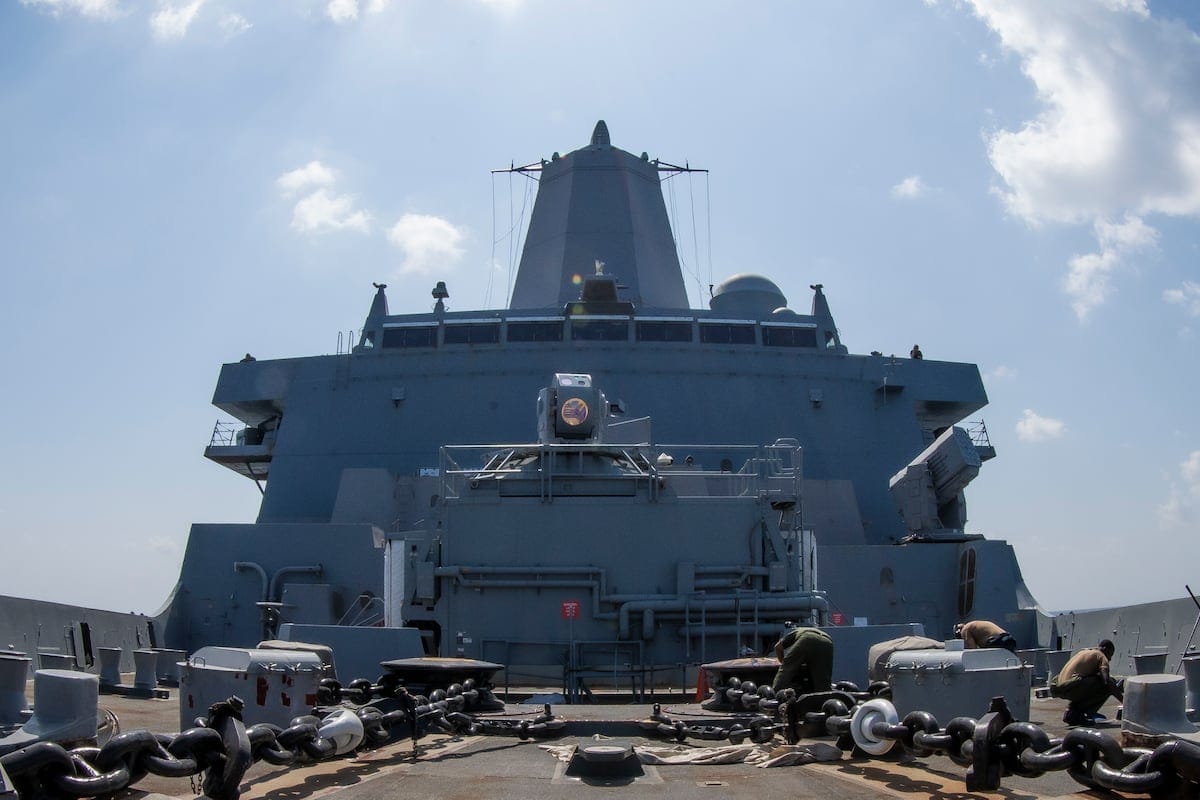
- System Specifications: The 150 kW Solid State Laser Technology Maturation (SSL-TM) demonstrator underwent enhancements beginning early March 2025, aimed at restoring its critical operational functionalities.
History and Development
Launched in 2012, the Laser Weapon System Demonstrator Mk 2 Mod 0 was first installed on the USS Portland, a San Antonio-class amphibious transport dock, in 2019. This advanced system serves as a successor to the 30 kW AN/SEQ-3 Laser Weapon System (also known as XN-1 LaWS), which had earlier been deployed on the USS Ponce.
- Primary Goals: The SSL-TM system is designed to fill identified operational gaps within the Fleet, addressing threats posed by aerial drones and explosive-laden small boats while contributing valuable insights for future acquisition strategies.
Performance and Testing
The SSL-TM demonstrator has demonstrated promising results in targeted military operations. Specifically, it:
- Successfully engaged and destroyed drone targets during trials in the Gulf of Aden in May 2020.
- Neutralized a small surface vessel in further testing in December 2021.
Despite its initial success, the Navy started the decommissioning process for the SSL-TM from the USS Portland in fiscal year 2023 after investing nearly $50 million in its development. The Department of Defense has yet to release a conclusive report on this initiative.
Participation in Crimson Dragon Exercise
Following its removal from active service, the SSL-TM was called upon by the Office of the Under Secretary of Defense for Research and Engineering to play a pivotal role in the Pentagon’s Crimson Dragon military exercise the subsequent September.
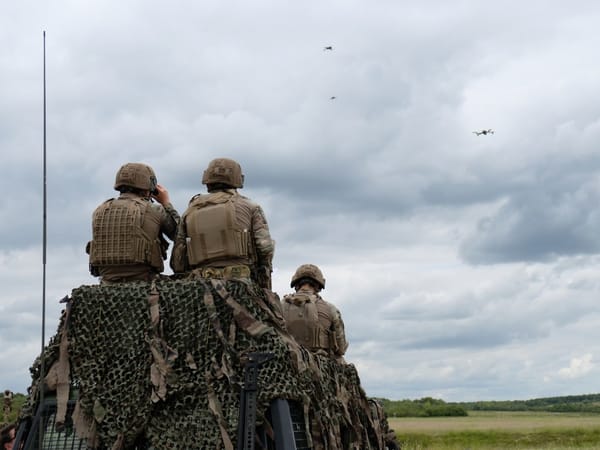
- Crimson Dragon Overview: This event spanned a week and involved multiple defense contractors operating in simulated combat scenarios to test various defense systems, including drones and counter-drone technologies.
- Success in the Exercise: The SSL-TM demonstrator managed to successfully target and shoot down four drone objectives during the exercise, although comprehensive details regarding its specific participation remain limited.
Strategic Implications and Future Considerations
While efforts to integrate the SSL-TM into growing directed energy operations highlight a commitment to modernize military capabilities, there are several areas of concern:
- Scarcity of Operational Systems: Limited high-energy laser systems currently exist within the military, highlighting a shortfall in equipment available for extensive, realism-based exercises that are essential for refining tactics and revealing potential combat applications.
- Challenge of Resource Allocation: As demonstrated systems like the Army’s Directed Energy Maneuver-Short Range Air Defense (DE M-SHORAD) have faced significant operational challenges or demilitarization, retired prototypes are being repurposed for continued experimentation against emerging threats.
Broader Context
The resurgence of the SSL-TM may reflect an urgent need to address contemporary threats, such as those posed by hostile drone capabilities, particularly in regions where U.S. interests are at stake. The Navy’s historical testing grounds, now shadowed by geopolitical tensions, underscore the necessity for advanced countermeasures.
Overall, while the Pentagon aspires to field laser weapon systems at unprecedented scales, current reliance on previously shelved prototypes raises questions regarding the future trajectory of effective military engagement in evolving warfare environments. The integration of systems like the SSL-TM into high-stakes combat simulations illustrates the need for continual innovation and investment in directed energy capabilities to meet tomorrow’s challenges.