Training Systems Developments in Naval Operations: A Focus on Australia and the US

Recent developments in defense training systems highlight the ongoing commitment of both the Royal Australian Navy and the US Navy to enhance operational readiness through advanced training solutions. The contracts awarded to CAE and Lockheed Martin reflect a strategic move towards modernization and capability enhancement in naval operations.
What Happened
CAE has secured a five-year contract to deliver Training Systems Technical Support for the Royal Australian Navy, as announced on April 29, 2026. This partnership aims to bolster the Navy's training infrastructure, ensuring that personnel are equipped with the necessary skills for modern maritime operations.
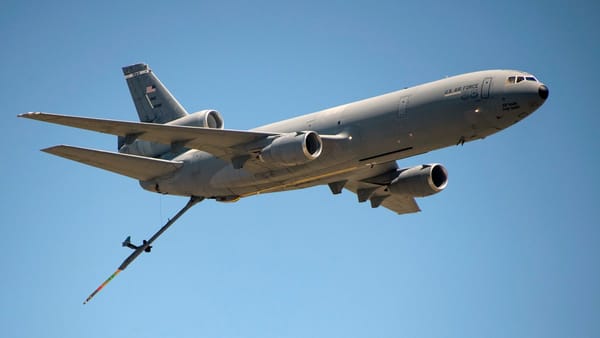
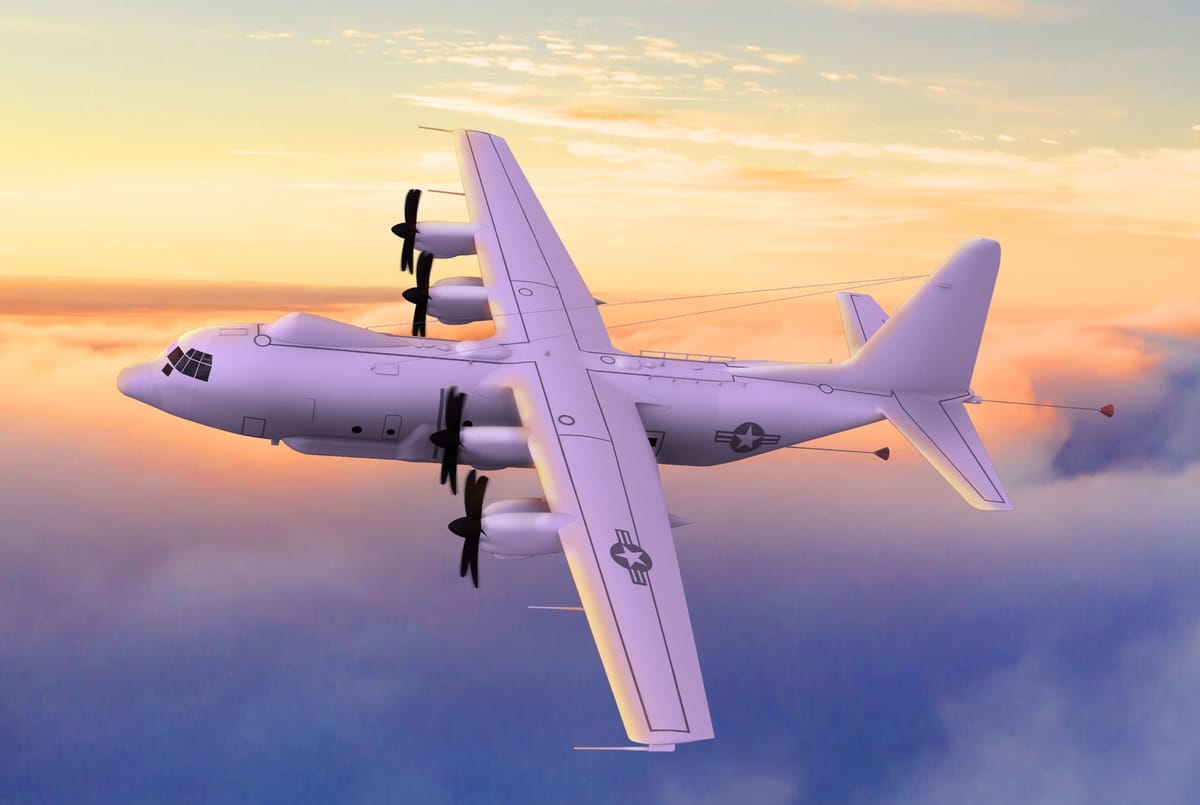
In parallel, Lockheed Martin disclosed its plans to supply training devices and support services for the US Navy’s Take Charge and Move Out (TACAMO) modernization program. This initiative focuses on enhancing the operational capabilities of the Navy's strategic communication aircraft, critical for maintaining effective command and control.
The Strategic Calculus
Both contracts indicate a broader trend of investing in training systems as essential components of naval readiness. The implications of these developments are significant:
- Enhanced Training Infrastructure: The CAE contract is expected to improve the Royal Australian Navy’s training capabilities, integrating advanced simulation technologies.
- Modernization of Tactical Operations: Lockheed Martin's involvement in the TACAMO program suggests a focus on ensuring that the US Navy's communication strategies remain robust against evolving threats.
- Interoperability: These advancements may facilitate closer operational synergy between allied naval forces, particularly in joint exercises and missions.
Industry Fallout
The awarding of these contracts not only strengthens the operational capabilities of the respective navies but also indicates a thriving ecosystem for defense contractors specializing in training solutions. The implications for the defense industry include:
- Increased competition among defense contractors to secure similar contracts in the future.
- Potential for further investments in research and development to enhance training technologies.
- Opportunities for collaboration between international defense firms as countries seek to enhance their training capabilities.
As these developments unfold, analysts will be watching how these training enhancements impact overall naval readiness and cooperation between allied forces.
Sources: Edrmagazine, Thedefensepost, Lockheed Martin, Halldale Group, Naval Technology, and Defence Industry Europe