Transformations in Air Power: The New Air Force One and Algeria’s Military Upgrade

What Happened
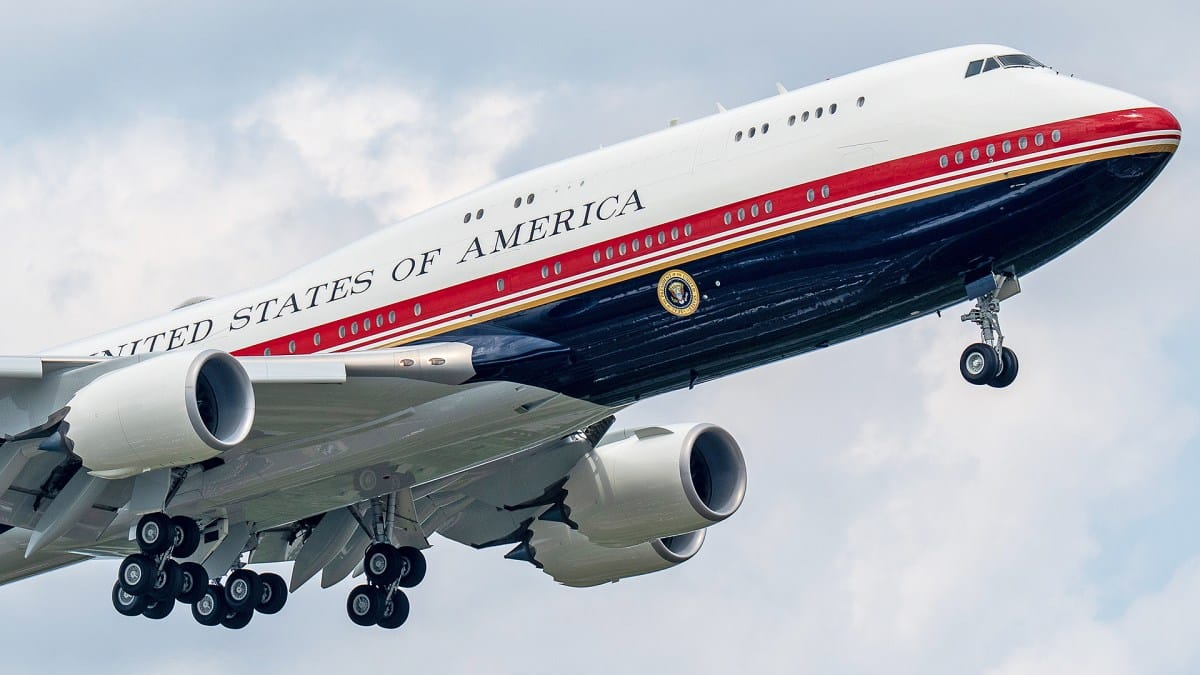
The aviation landscape for military and presidential transport is experiencing significant shifts. L3Harris has successfully transformed a gifted Qatari 747-8i into a VC-25B presidential transport in just 10 months, enhancing the capabilities of Air Force One under the administration of President Trump. This rapid transformation highlights advancements in military aviation technology and operational efficiency.
Meanwhile, Algeria is poised to become the first African state to operate Chinese J-10C multirole fighters and KJ-500 airborne early warning aircraft. If confirmed, these deliveries starting in 2027 would signify a notable evolution in North African air power, diversifying Algeria's military capabilities and potentially altering regional dynamics.
The Strategic Calculus
The developments surrounding Air Force One and Algeria's military enhancements are emblematic of broader geopolitical trends. The modernization of Air Force One under President Trump not only reflects the United States’ commitment to maintaining a state-of-the-art presidential transport but also signifies a strategic emphasis on readiness and resilience in leadership logistics.
- Speed of Transformation: The 10-month timeline for the VC-25B transformation underscores the agility of U.S. defense contractors in adapting to presidential needs.
- Regional Air Power Shift: Algeria's potential acquisition of advanced Chinese military aircraft could alter power dynamics in North Africa, introducing new capabilities that may impact U.S. military strategy in the region.
- Influence of Foreign Military Sales: The entry of Chinese technology into Algeria’s air force indicates a growing trend of military partnerships outside traditional Western alliances.
What Comes Next
As these developments unfold, analysts will be closely monitoring the implications for U.S. foreign policy and military strategy. The enhanced capabilities of Air Force One serve to reinforce the symbolism of American power, while Algeria's military upgrade may prompt responses from neighboring countries and Western allies.
This raises the question of how the U.S. will adapt its engagement strategies in light of Algeria's growing ties with China. The implications of Algeria's military modernization could lead to increased arms competition in the region and necessitate a reassessment of U.S. strategic partnerships in North Africa.
In summary, the evolution of Air Force One and Algeria's introduction of advanced military aircraft reflect significant trends in global defense capabilities, underscoring the need for ongoing vigilance and strategic adaptability in U.S. defense policy.