Trump Suggests Possible US Engagement in Iran-Israel Conflict During ABC Interview

The Dynamics of US Engagement in the Iran-Israel Conflict
Potential US Involvement in Middle Eastern Tensions
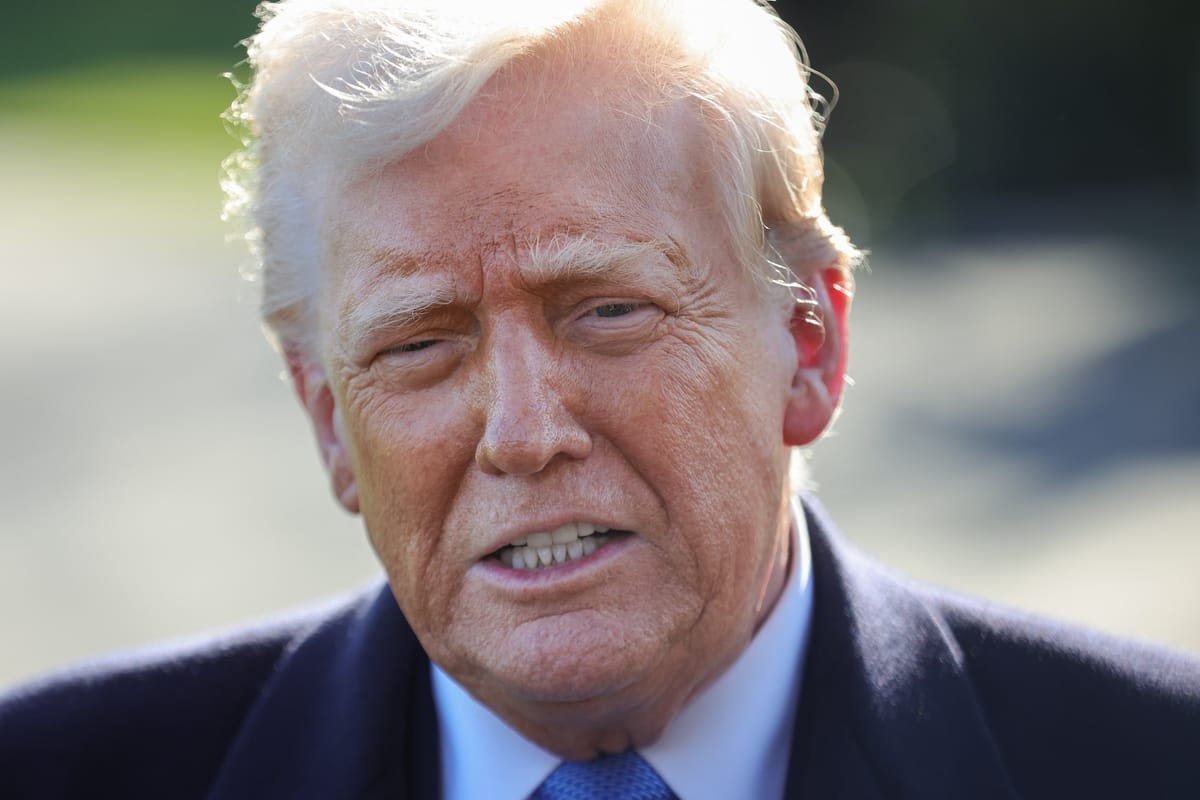
In a recent interview, President Donald Trump indicated that the United States might consider engagement in the escalating conflict between Iran and Israel. Emphasizing the complex geopolitical landscape, Trump expressed a willingness to explore diplomatic avenues involving Russian President Vladimir Putin as a potential mediator.
Ongoing Negotiations Over Iran’s Nuclear Program
Reports suggest that negotiations surrounding Iran’s nuclear aspirations remain active, with Trump stating that Iran is inclined towards reaching an agreement. The urgency for diplomatic resolution appears to be escalating, particularly in light of the ongoing military exchanges between Tehran and Tel Aviv.
- Casualty Statistics: The recent exchanges have resulted in considerable casualties, as Israel mounts extensive operations targeting Iran’s nuclear facilities and military capabilities.
- Mediating Efforts: Oman, which has historically facilitated dialogue over nuclear matters, recently announced the cancellation of a sixth round of talks aimed at reducing tensions.
Despite this setback, Trump affirmed the commitment to ongoing discussions. “There is no fixed timeline,” he remarked, implying that the diplomatic channels between the two nations remain open, albeit under challenging circumstances.
Russia’s Role in Mediation
Trump elaborated on his conversation with Putin, suggesting that the Russian leader is prepared to step in as a mediator in these fraught negotiations. This innovative approach to diplomacy reflects a growing trend of utilizing third-party nations in conflict resolution.
- Dialogue Continuity: Trump’s commentary reinforces that talks are still taking place, which may provide a glimmer of hope for stakeholders seeking stability in the region.
Consequences of Military Exchanges
The recent spike in aerial confrontations between Israel and Iran may, paradoxically, serve as a catalyst for negotiations. Trump posited that such confrontations might ultimately expedite a nuclear agreement, highlighting an often-overlooked dynamic in international relations: conflict can sometimes spur dialogue and compromise.
Key Insights:
- Military Action as Leverage: The notion that military provocations can lead to diplomatic engagement underscores the intricate interplay of force and negotiation in international relations.
- Reduced Trust: The persistence of military actions complicates trust-building measures, making diplomatic resolutions more challenging yet also more necessary.
Conclusion
While the prospect of U.S. involvement in the Iran-Israel conflict remains uncertain, the ongoing dialogue surrounding Iran’s nuclear ambitions and the viability of mediation via regional powers presents a complex canvas for future developments. The geopolitical tensions, characterized by a blend of military aggression and diplomatic overtures, necessitate careful monitoring and strategic considerations from all stakeholders involved.