Türkiye's Strategic Shift: S-400 and F-35 Program Dynamics

Understanding Türkiye's Dilemma
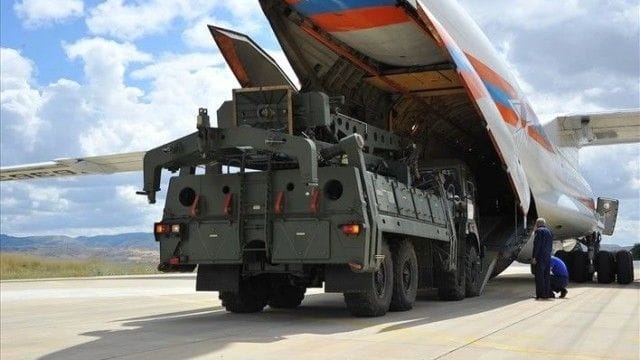
Türkiye is currently navigating a complex situation regarding its air defense capabilities, particularly concerning the Russian S-400 missile system and its aspirations to rejoin the F-35 fighter jet program. As of now, Ankara is contemplating the potential sale of the S-400 systems to a third country, a move that hinges on obtaining prior consent from Russia. This consideration underscores Türkiye's strategic pivot in defense procurement and international relations, particularly in light of its previous exclusion from the F-35 program due to the acquisition of the S-400.
The S-400 system has been a contentious point in Türkiye's relations with NATO allies, especially the United States. The US has long viewed the integration of the S-400 into Türkiye's military infrastructure as a threat to the F-35 program, given the advanced technologies both systems incorporate. By seeking to divest from the S-400, Türkiye aims to alleviate tensions and possibly regain access to the F-35 program, which is viewed as essential for enhancing its air combat capabilities.
Implications for Regional Security
This strategic maneuvering raises critical questions about the future of Türkiye's defense posture and its relationships with both Russia and NATO. If Ankara successfully sells the S-400, it could facilitate its reintegration into the F-35 program, thereby strengthening its air capabilities and enhancing its role within NATO. However, this scenario is contingent on Russia's agreement to the sale, which may not be forthcoming, given the geopolitical implications.
The implication is that Türkiye's decisions regarding the S-400 and F-35 could significantly reshape the defense landscape in the region. Analysts will be watching how this situation unfolds, particularly how it impacts Türkiye's alliances and military readiness moving forward. The outcome of this dilemma may set a precedent for other nations grappling with similar defense procurement challenges in a rapidly changing global security environment.
Sources: Defence24, Foundation for Defense of Democracies, Ynetnews, eKathimerini.com, and Defense Feeds