U.S. Air Force Shifts to Cost-Effective Cruise Missile Procurement

Strategic Shift in Missile Procurement
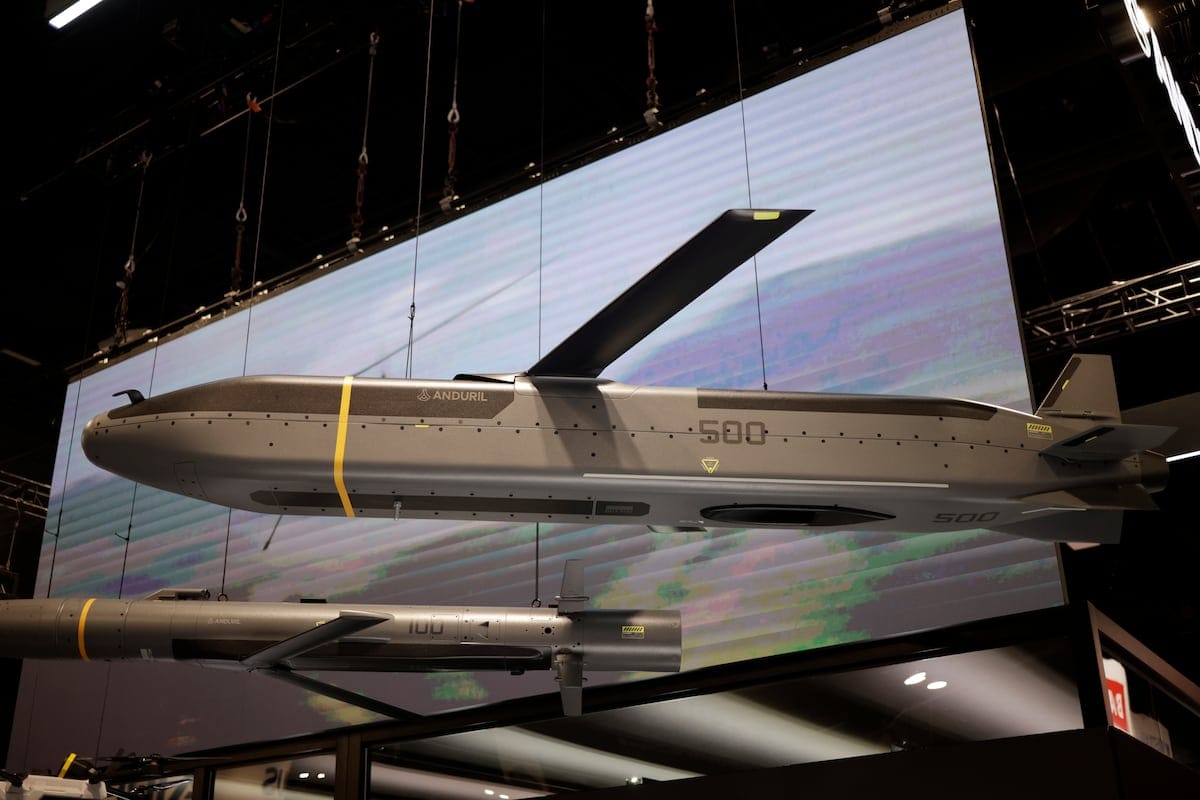
The U.S. Air Force is adapting its procurement strategy by focusing on acquiring cruise missiles that are cost-effective enough to buy in large quantities. This transition is underscored by the ability to purchase these new missiles for a price lower than what it previously cost to fire a single missile. The move signals a significant shift in operational strategy and resource allocation within the Air Force.
This development comes amid growing concerns over the dynamic global threat landscape and the need for enhanced military readiness. By investing in cheaper cruise missiles, the Air Force aims to bolster its strike capabilities while maintaining budgetary prudence. This procurement strategy aligns with broader defense goals to enhance deterrence and strike options against potential adversaries, particularly in a time of heightened geopolitical tensions.
Implications for Future Operations
Cost efficiency will be a key driver in future military engagements, allowing the Air Force to increase the number of operational sorties without significantly escalating expenses. The emphasis on quantity over singular high-cost munitions could lead to a paradigm shift in how the U.S. approaches air warfare, potentially enabling more aggressive and flexible engagement strategies. The ability to deploy multiple missiles at a lower cost may also enhance the Air Force's capability to saturate enemy defenses, thereby increasing the likelihood of mission success.
This shift raises the question of how such a procurement strategy will affect overall military doctrine and joint operations with other branches of the U.S. Armed Forces. Analysts will be watching closely to see how this initiative influences tactical decisions and operational outcomes in future conflicts. Ultimately, the U.S. Air Force's focus on affordable cruise missiles may reshape its operational landscape, ensuring that it remains a formidable force in a rapidly evolving security environment.
Sources: Defensenews, CSIS | Center for Strategic and International Studies, Defence Security Asia, Cronkite News, and Bulletin of the Atomic Scientists