U.S. Army Advances Drone Technology in Counter-Drone and MEDEVAC Operations

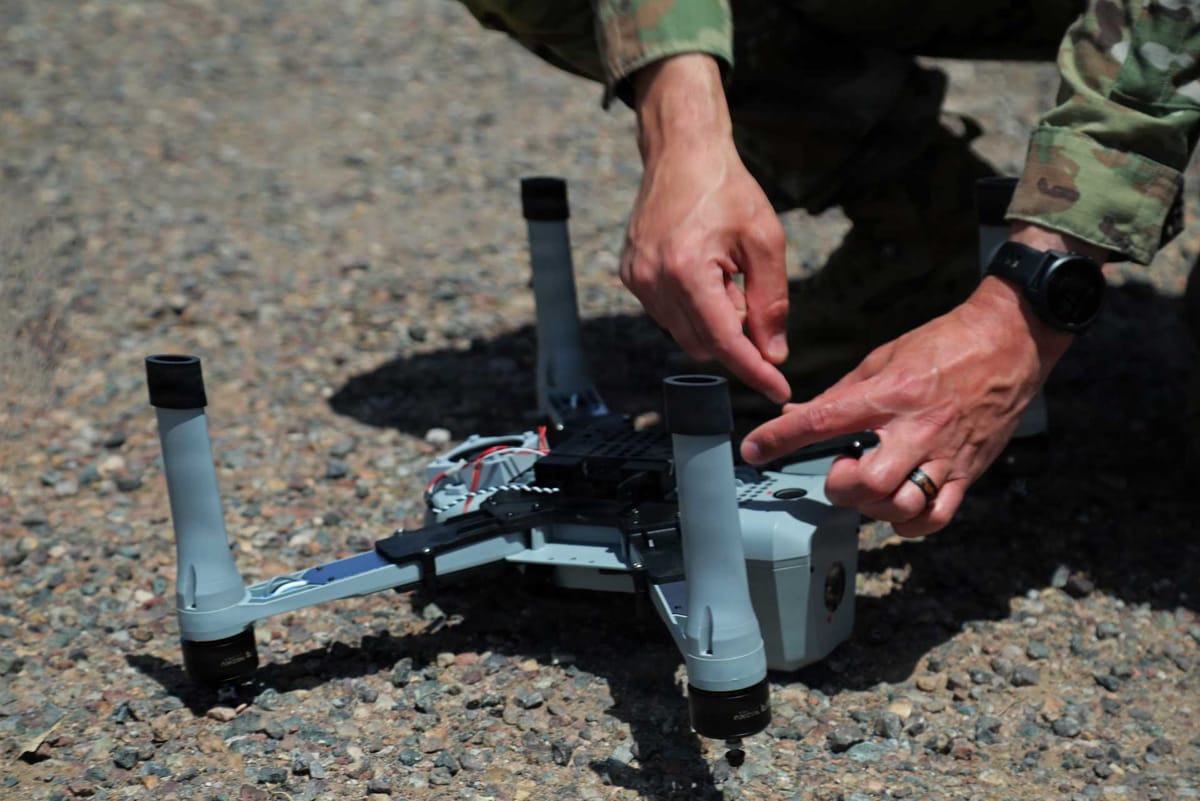
The U.S. Army is actively testing two innovative drone technologies that address critical operational needs in contemporary warfare. The first focuses on countering drone threats, particularly First Person View (FPV) drones, while the second aims to enhance medical evacuation capabilities on the battlefield.
What happened
In a significant step towards enhancing its counter-drone capabilities, the U.S. Army has evaluated the Bumblebee Counter-Unmanned Aircraft System (C-UAS) in Morocco. This system is designed specifically to mitigate threats posed by FPV drones targeting military bases and armored forces. The operational testing of the Bumblebee highlights an urgent need to address the evolving nature of aerial threats in modern combat environments.
Simultaneously, the Army is also testing the Flowcopter FC-100 drone as a potential replacement for traditional battlefield MEDEVAC helicopters during NATO exercises. This initiative is particularly relevant as NATO prepares for high-intensity warfare scenarios, where rapid and efficient evacuation of wounded soldiers can be a decisive factor.
The strategic calculus
The integration of these drone technologies reflects a broader strategic shift within the U.S. Army and NATO. The implications of these tests are multifaceted:
- Counter-drone Operations: The Bumblebee system represents a proactive approach to neutralizing drone threats, which have become increasingly prevalent on modern battlefields. Its deployment could significantly enhance base security and protect critical assets.
- MEDEVAC Efficiency: The Flowcopter FC-100 could revolutionize battlefield medical evacuations. Unlike traditional helicopters, this drone may offer greater maneuverability and quicker response times, essential in high-stakes environments.
- Adaptation to High-Intensity Warfare: As NATO prepares for potential conflicts involving advanced technologies, these innovations underscore the need for adaptable and rapid-response capabilities in military operations.
What comes next
As these technologies undergo testing, their future adoption will likely depend on several factors:
- Performance evaluations during field tests.
- Integration challenges with existing military systems.
- Feedback from soldiers involved in operational scenarios.
Analysts will be watching closely as the U.S. Army works to refine these systems and determine their practical applications in both counter-drone operations and MEDEVAC missions. The successful implementation of these technologies could significantly shape the landscape of future military engagements.
Sources: Armyrecognition, Task & Purpose, SOF News, The War Zone, and DroneXL.co