U.S. Army Considers Czech Morana 155mm Howitzer Amid Accelerated Search for New Wheeled Artillery

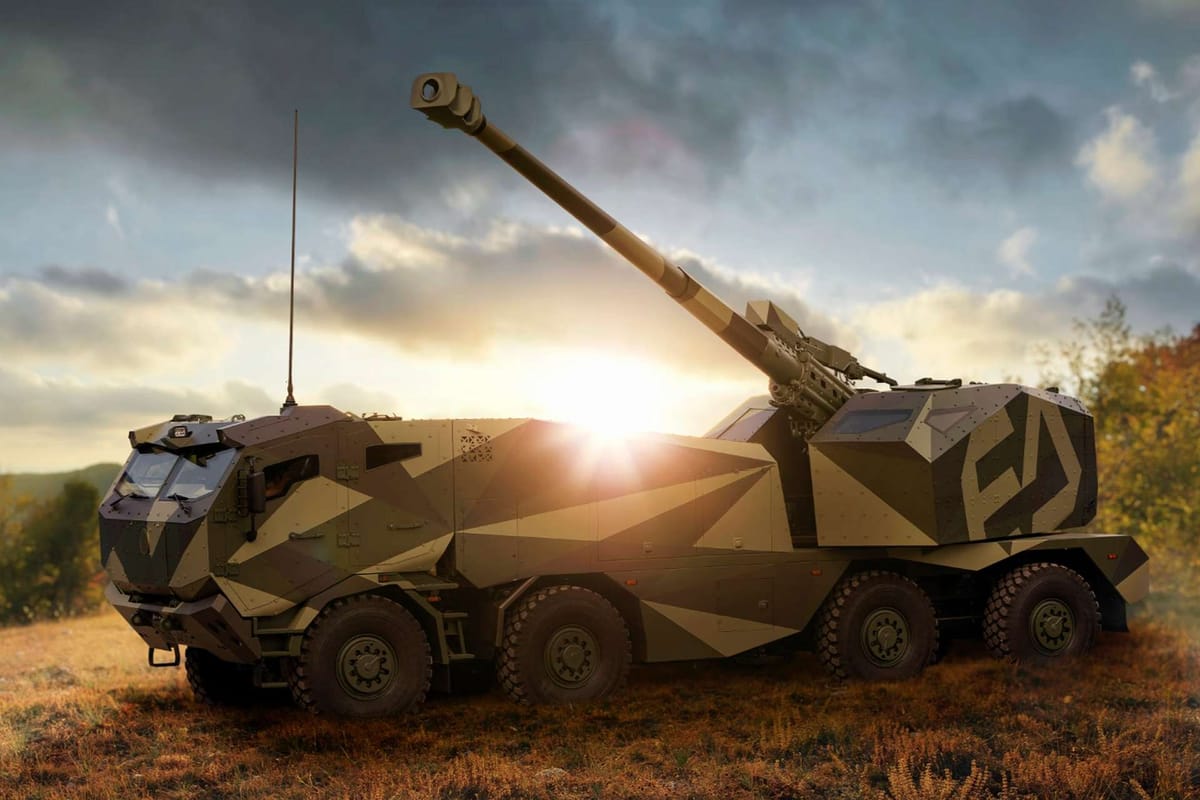
U.S. Army Evaluates Morana 155 mm Self-Propelled Howitzer
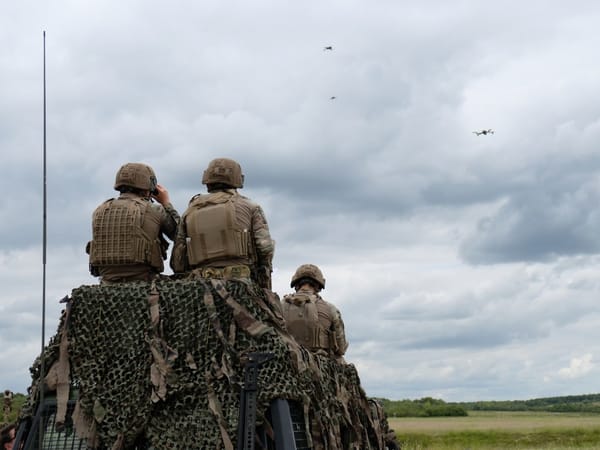
A U.S. Army delegation recently conducted an observational visit to Excalibur Army in the Czech Republic, where they evaluated the Morana 155 mm wheeled self-propelled howitzer during a live-fire demonstration. This initiative signifies the Army’s expedited quest for a mobile alternative to its existing M777 fleet, promoting a paradigm shift towards field-ready wheeled artillery solutions following the discontinuation of the Extended Range Cannon Artillery (ERCA) program. The overarching priorities now emphasize speed, survivability, and immediate deployability.
Technical Specifications of the Morana
The Morana, boasting a NATO-standard 155 mm/52-caliber design, is engineered for rapid shoot-and-scoot operations. Key features include:
- Rapid Response: Ability to fire up to six rounds within the first minute of deployment.
- Automated Systems: Equipped with automated loading mechanisms and gun guidance, which are designed to enhance operational efficiency.
- Performance Range: Exhibits a claimed firing range of 41.5 kilometers with a capacity to carry 45 rounds.
These attributes are particularly relevant given the operational demands witnessed in recent high-intensity conflicts, such as the ongoing war in Ukraine. The focus rests on off-the-shelf artillery systems that can be deployed swiftly with reduced operational risks.
Insights from the U.S. Delegation’s Visit
During the visit, the delegation toured various production facilities and technological applications under the Czechoslovak Group (CSG) umbrella. The highlight of the tour was the live-fire demonstration of the Morana system. Officially, CSG framed the visit as a valuable opportunity to explore potential collaborations and to showcase its capabilities in land systems and artillery munitions.
While this cannot be interpreted as a formal selection or competition phase, the evaluation affirms the Morana’s candidacy as the Army reassesses the future of brigade-level artillery solutions with respect to mobility and operational resilience.
Operational Relevance and Advantages
The Morana’s technical architecture enhances its appeal to current U.S. operational requirements by:
- Enhanced Mobility: The 8×8 Tatra chassis is optimized for road mobility, facilitating rapid deployment.
- Minimized Vulnerability: Automated loading and fire-control systems reduce the time spent in the firing position, lowering crew exposure to counter-battery fire.
Although the Morana does not yet have an established combat record, its recent development—unveiled in 2022—positions it as a modern, automated artillery solution consistent with current NATO trends in artillery modernization.
Strategic Implications for U.S. Artillery
The U.S. Army’s interest in systems such as the Morana signals a substantive shift in artillery modernization priorities. With the suspension of the ERCA program, the focus has transitioned towards identifying mature wheeled self-propelled 155 mm systems capable of supplanting towed M777 units, particularly in scenarios demanding enhanced mobility and protection.
Key considerations include:
- Domestic Production: Favoring platforms that can be produced within the U.S. and are compatible with American munitions.
- Enhanced Protection: Upholding high operational tempo while ensuring crew safety.
Tactical Advantages in Modern Combat
Observations from recent conflicts, particularly in Ukraine, underscore the tactical advantages of self-propelled systems like the Morana. Traditional towed artillery has inherent vulnerabilities, exposing crews during setup, firing, and redeployment phases, especially under constant surveillance from advanced systems.
The Morana’s capacity for rapid movement and short-duration fire missions makes it exceptionally advantageous. This shoot-and-scoot capability is increasingly crucial in contemporary artillery engagement strategies.
Broader Context: Supply Chain Resilience and Industrial Interoperability
The implications of the visit extended beyond the Morana as a standalone artillery solution. CSG also showcased its subsidiary, MSM Group, which specializes in the production of 155 mm ammunition in Slovakia. This interconnected ecosystem is vital, as the U.S. increasingly prioritizes ammunition production capacity, supply chain resilience, and industrial interoperability alongside platform capabilities.
The live-fire demonstration of the Morana for the U.S. Army symbolizes an evolving evaluative process involving allied artillery systems that may fulfill shifting operational needs. For Excalibur Army, it represents an opportunity to introduce their solutions to potential American customers. The broader implications for the U.S. Army lie in a tactical pivot toward artillery modernization that prioritizes mobility, survivability, and a robust industrial base capable of sustaining long-term operations.