U.S. Army Initiates Project Convergence-Capstone 6 to Validate Emerging Technologies

Overview of Project Convergence-Capstone 6
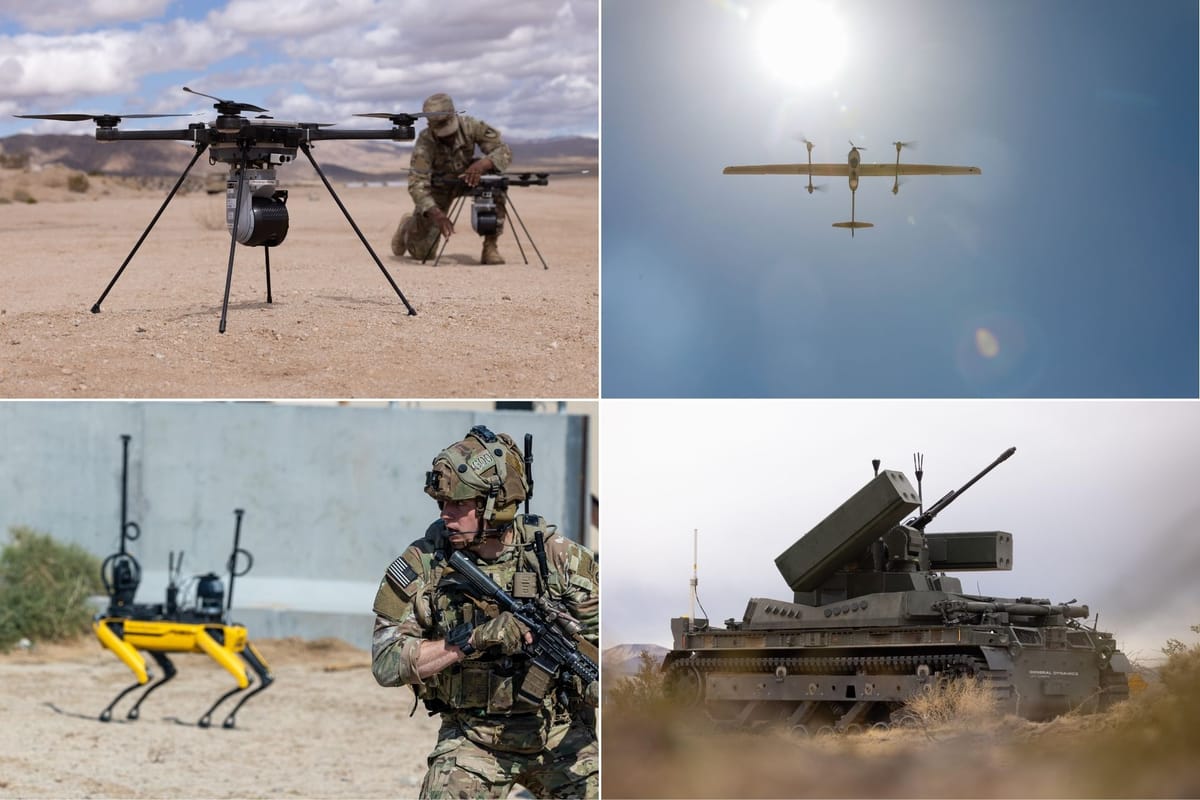
The U.S. Army has launched Project Convergence-Capstone 6, targeting the validation of Next-Generation Command and Control (NGC2) across the 4th Infantry Division. This initiative will involve testing over 100 emerging technologies within a division-scale combat environment, marking a significant step toward enhancing battlefield integration and operational effectiveness.
Context and Implications
Project Convergence is a critical component of the U.S. Army's modernization efforts, aimed at improving decision-making and operational capabilities through advanced technologies. The 4th Infantry Division's participation highlights the Army's commitment to field-testing innovations that could transform how troops engage in combat scenarios. As the Army embraces this extensive testing phase, it seeks to identify and refine technologies that can lead to more agile and responsive military operations.
This initiative reflects the Army's focus on integrating artificial intelligence, machine learning, and other advanced systems into traditional military frameworks. The emphasis on NGC2 underscores the importance of real-time data sharing and command responsiveness, which are essential in modern warfare. The Army's exploration of these technologies could reshape not only its operational strategies but also its training methodologies and future procurement decisions.
Why It Matters
The outcomes of Project Convergence-Capstone 6 will be closely monitored by defense analysts and military strategists alike, as they will provide insights into the effectiveness of these technologies in enhancing combat readiness. As the Army continues to innovate and adapt, the implications for future engagements could be profound, potentially leading to a more integrated and efficient force. This raises the question of how quickly these technologies can be incorporated into existing frameworks and what impact they will have on U.S. military capabilities in the long term.
Sources: Armyrecognition, army.mil, DVIDS, The Defense Post, and DefenseScoop