U.S. Army Partners with Auriga Space to Counter Drone Swarms with Electromagnetic Weapons

New CRADA for Electromagnetic Launchers
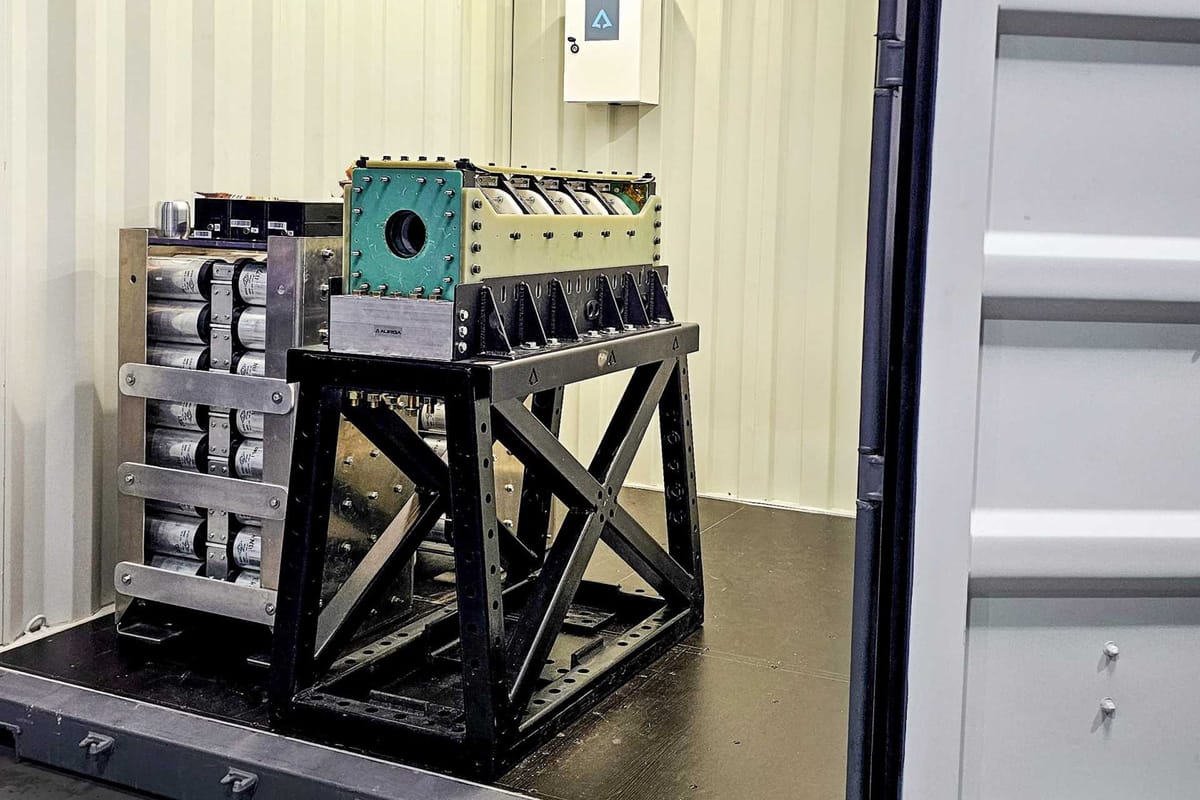
The U.S. Army has entered into a three-year Cooperative Research and Development Agreement (CRADA) with Auriga Space to explore the potential of transportable electromagnetic launchers. This initiative aims to develop a low-cost, high-cadence alternative to traditional missile defense systems specifically designed to counteract drone swarm attacks. The collaboration highlights a proactive approach to enhancing military capabilities in response to evolving aerial threats.
This partnership signifies a strategic shift in how the U.S. military plans to engage with the growing challenge of drone warfare. Drone swarms pose significant risks due to their ability to overwhelm traditional air defense systems with sheer numbers. By focusing on electromagnetic weapons, the Army is exploring innovative methods that could provide a more efficient and cost-effective means of neutralizing these threats. The emphasis on transportability suggests a focus on flexibility and rapid deployment, crucial factors in modern combat scenarios.
Countering Emerging Threats
The implications of this CRADA are substantial. As drone technology continues to advance, the need for adaptive defense solutions becomes increasingly critical. The Army’s investment in electromagnetic systems could pave the way for new tactics and strategies in aerial defense, potentially transforming how engagements with hostile drone swarms are conducted. This development may also signal a broader shift towards non-kinetic weapons in military operations, reflecting a growing recognition of the need for diverse countermeasures in contemporary conflict.
Why It Matters
As the battlefield evolves, the integration of innovative technologies like electromagnetic weapons will be vital for maintaining a competitive edge. Analysts will be watching closely to see how the outcomes of this partnership influence future military capabilities and doctrines. The Army's commitment to developing these systems not only addresses immediate threats but also prepares for an uncertain future where drone warfare is likely to play a central role in conflicts around the globe.
Sources: Armyrecognition, Dronelife, Interesting Engineering, Defense Daily, and Unmanned airspace