U.S. Army Pursues Affordable Interceptor to Address Emerging Threats

Development of a Cost-Effective Defense Solution
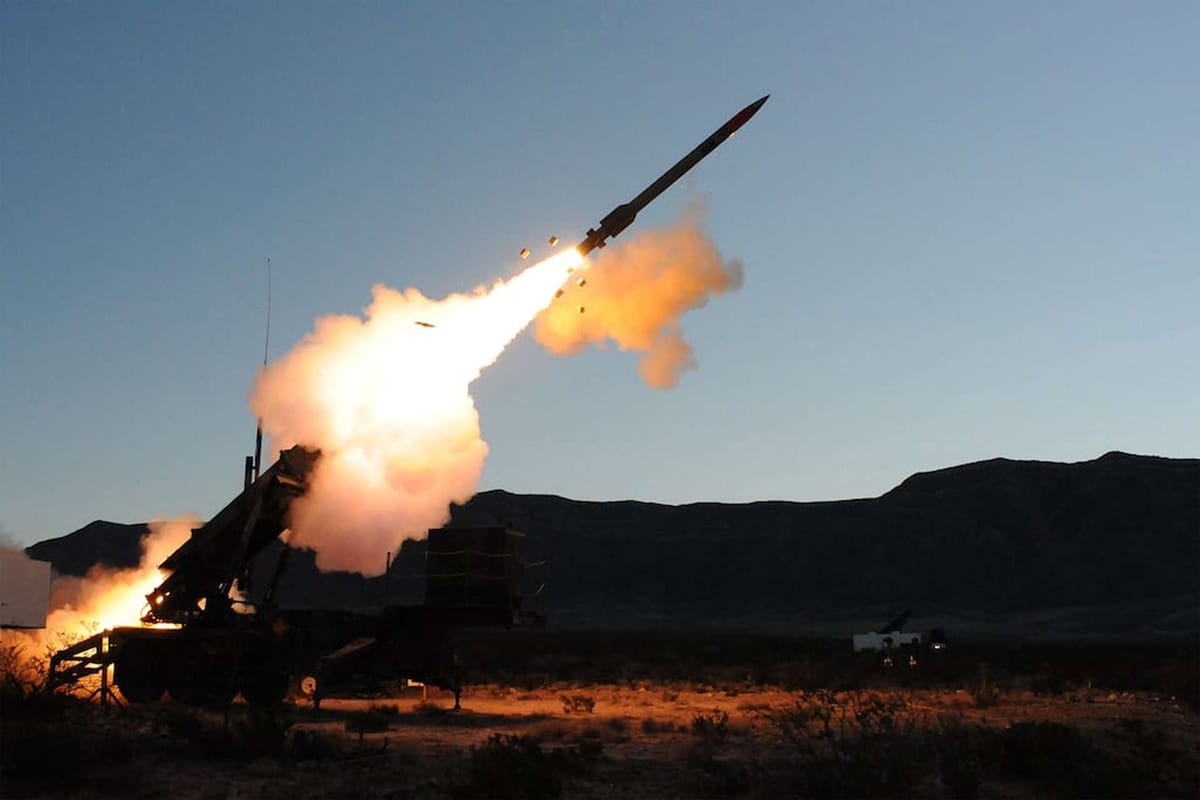
The U.S. Army is actively seeking an interceptor that is compatible with the Patriot missile system, aiming to keep costs below $1 million. This initiative, reported by Army Recognition, is primarily focused on enhancing capabilities to counter the increasing threats posed by drone and cruise missile swarms. The requirement comes at a critical time when adversary capabilities in these areas are evolving rapidly.
With the proliferation of unmanned aerial vehicles (UAVs) and cruise missiles, the Army's interest in a more affordable interceptor reflects a strategic shift towards addressing these asymmetric threats effectively. The pursuit of a sub-$1 million interceptor underscores a growing recognition of the need for cost-efficient solutions within defense procurement, particularly as military budgets face scrutiny. The capability to engage multiple low-cost threats with a high degree of effectiveness could significantly bolster the Army's defensive posture.
Implications for Future Defense Operations
This initiative raises important questions about the future landscape of air defense systems. As the Army seeks to integrate this new interceptor into existing frameworks, analysts will be watching how it impacts current operational strategies and whether it can effectively complement the Patriot system. The emphasis on affordability might also influence broader trends in military procurement, potentially prompting other branches of the U.S. military to adopt similar strategies in defense against evolving aerial threats.
The implication is that by establishing a more cost-effective interceptor, the Army may enhance its operational readiness against diverse threats while ensuring budgetary constraints do not compromise national security. This move signals a proactive approach to securing U.S. airspace and maintaining strategic advantages in an increasingly contested environment.
Sources: Armyrecognition, Army Recognition, Defense News, The War Zone, and Reuters