U.S. Central Command Conducts First Strike with Sea Drones on Iranian Facility

Operational Overview
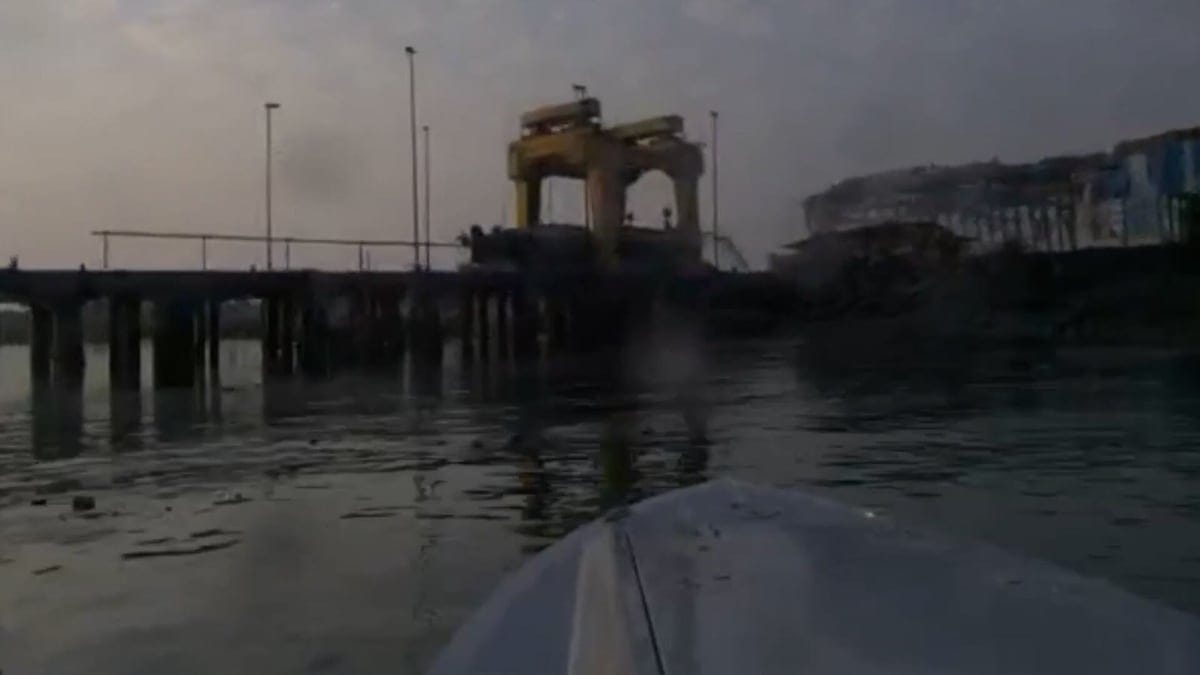
In a significant military development, U.S. Central Command has executed a strike on an Iranian port facility using three Corsair unmanned surface vessels. This operation targeted a submarine and ship maintenance facility in Iran, marking a first for the United States in utilizing sea drones in combat. The strike underscores a shift in tactical employment of unmanned systems in regional conflicts.
Context and Analysis
This operation comes amid escalating tensions in the region, particularly concerning Iran's naval capabilities and its influence in maritime security. The use of unmanned surface vessels signals a growing reliance on advanced technology in modern warfare, allowing nations to project power with reduced risk to personnel. Analysts will be examining the implications of this strike on Iran's naval operations and potential retaliatory measures. The Corsair vessels represent a new frontier in naval warfare, with their ability to conduct strikes autonomously and with precision.
The implications of this operation extend beyond immediate tactical outcomes. The United States may be positioning itself to leverage unmanned technologies more aggressively in future engagements, altering the dynamics of naval confrontation in the region. This strike could prompt a reevaluation of naval strategies among adversaries and allies alike, as the effectiveness of unmanned systems is further validated on the battlefield. Why it matters
The strike on the Iranian facility not only demonstrates the evolving capabilities of U.S. military technology but also raises questions about the future of naval engagement strategies. As the U.S. continues to integrate unmanned systems into its operational framework, this could lead to an arms race in autonomous naval technologies. Additionally, the global defense community will be watching closely to see how Iran responds, which could influence regional security arrangements and U.S. military posture in the Persian Gulf.
Sources: Defensenews, DefenseScoop, USNI News, DVIDS, and WSJ