U.S. Concerns Over Force Reductions Amid Ongoing Terror Threats in Africa

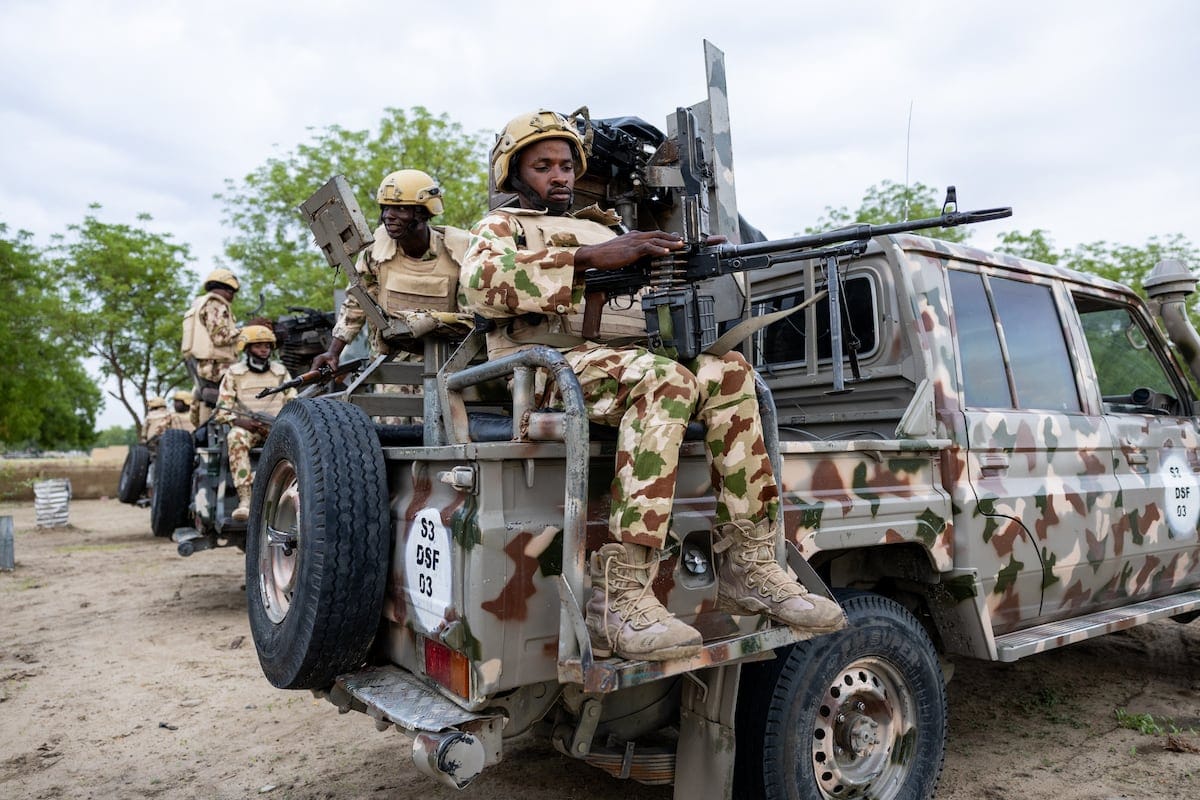
Current U.S. Military Operations and Threat Landscape
Recent operations in Africa have highlighted the ongoing challenges the United States faces in combating terrorism on the continent. As U.S. forces continue to reduce their presence, there are rising concerns regarding the ability to effectively counter terror plots, particularly those linked to groups like ISIS.
The operational landscape remains precarious, as the U.S. military has emphasized a focus on counterterrorism efforts. However, diminishing troop levels have sparked debates about whether sufficient resources are being allocated to maintain pressure on terrorist organizations. The implications of these reductions are significant, as they may impact the overall effectiveness of U.S. counterterrorism strategies in a region where groups like ISIS continue to pose a threat.
Strategic Implications of U.S. Force Reductions
The ongoing discussions regarding troop levels reflect a broader concern about the United States' strategic posture in Africa. With ISIS and other militant groups remaining active, analysts are closely monitoring how these force reductions might affect the U.S. military's capability to respond to emerging threats. The situation raises questions about the long-term strategy of U.S. involvement in the region and the potential need for adjustments in military commitment.
Why it matters: The current dynamics underscore the importance of maintaining a robust military presence in Africa to manage and mitigate terrorist threats effectively. As the U.S. navigates its approach, the potential challenges posed by reduced troop levels could necessitate a reevaluation of operational strategies to ensure that counterterrorism objectives are met. Analysts will be watching closely to see how these developments unfold and what measures might be taken to address any security gaps that arise.
Sources: Defensenews, Council on Foreign Relations, pragativadi.com, International Business Times UK, and Homeland Security Today