U.S. Counterterrorism Policy Shift Under Trump Administration

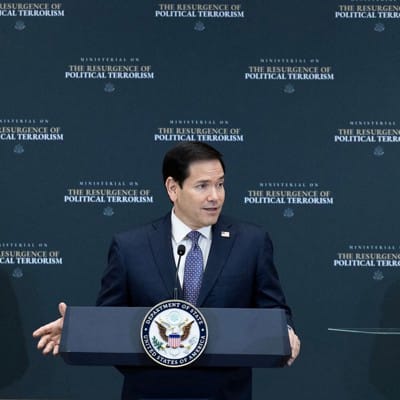
Overview of NSPM-7 and Its Implications
President Trump has initiated a significant shift in U.S. counterterrorism policy with the introduction of NSPM-7, a national security memorandum aimed at combating what his administration defines as “radical left terrorism.” This policy reorientation, announced in 2025, signifies a departure from traditional counterterrorism strategies that primarily focused on foreign threats, now addressing domestic ideological extremism.
NSPM-7 emphasizes the importance of identifying and countering threats that arise from within the country, particularly those linked to radical left movements. This is a notable pivot that reflects the administration's growing concern over domestic political violence and its potential implications for national security. Analysts are observing how this policy will influence resource allocation, operational priorities, and inter-agency collaboration as the government seeks to address these newly defined threats.
Context and Analysis
The memorandum indicates a broader ideological battle within U.S. society and politics, suggesting that the Trump administration views radical left movements as a significant challenge to public order and national wellbeing. By framing these groups as terrorists, the administration may seek to justify increased surveillance and law enforcement actions against them. This approach could also lead to heightened tensions in political discourse, as actions taken under this memo might be interpreted differently by various segments of the population.
Furthermore, the focus on domestic threats may shift resources away from international counterterrorism efforts, potentially impacting U.S. engagements abroad. The reallocation of attention and resources raises questions about how the U.S. will balance its commitments to global security with its increasing focus on internal threats.
Why it matters: The implementation of NSPM-7 highlights a significant evolution in how the U.S. government perceives and responds to terrorism. This raises the question of whether other nations might adopt similar frameworks to address domestic extremism. Analysts will be watching how this shift influences not only U.S. domestic policy but also international relations, particularly with allies who may have differing definitions of terrorism and political extremism.
Sources: Defenseone, The Conversation, Unicorn Riot, Talking Points Memo, and American Civil Liberties Union