U.S. Deploys Typhon Missile System to Japan Amidst Rising Tensions with China

Strategic Military Collaboration
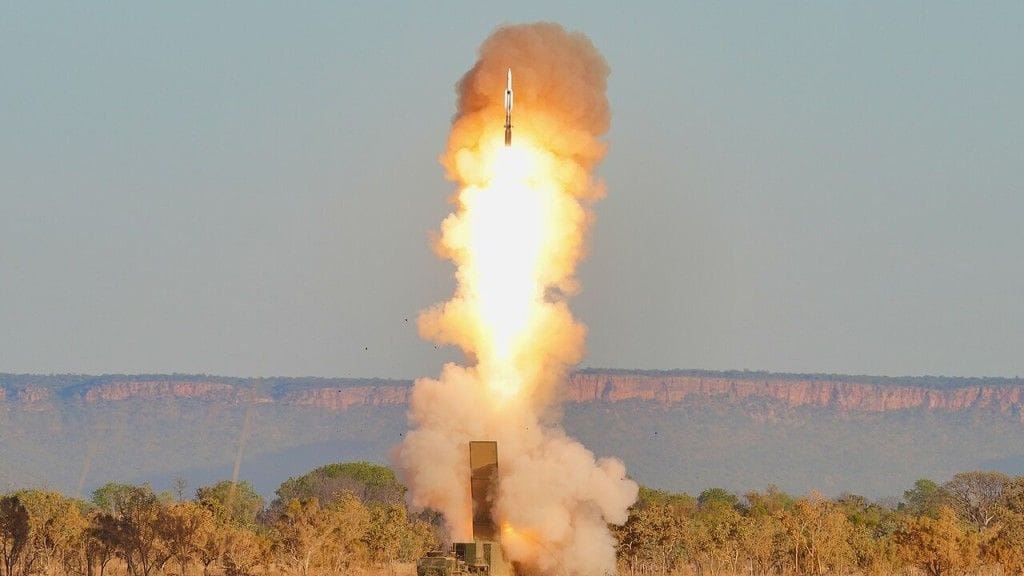
The United States is enhancing its military presence in Asia by deploying the Typhon midrange missile system to Japan for joint exercises with the Japan Self-Defence Forces. This development, reported recently, signifies a critical shift in U.S.-Japanese defense strategies aimed directly at countering potential threats from China. The exercises will not merely focus on operational readiness but also symbolize a deepening alliance in the face of escalating regional tensions.
The incorporation of the Typhon system into joint military drills underscores a broader commitment between the U.S. and Japan in adapting to the evolving security landscape in the Indo-Pacific region. Officials from both nations view this cooperation as essential for maintaining stability and deterring aggression from state actors, particularly China, which has been increasing its military assertiveness in the area.
Implications for Regional Security
This military maneuver raises significant implications for the security dynamics in East Asia. The deployment of midrange missile systems like Typhon signals a shift towards more offensive capabilities in U.S. military strategy, potentially altering the balance of power in the region. Furthermore, this move may provoke responses from China, leading to a possible arms race or heightened military activities near contested territories.
Analysts will be watching how China reacts to this enhanced U.S.-Japan cooperation and whether it will influence other regional players to adjust their defense postures. As military exercises become more frequent and sophisticated, the potential for miscalculations or misunderstandings increases, making diplomatic channels even more vital. The U.S. and Japan's actions will likely set the tone for future military strategies in the Indo-Pacific, emphasizing the importance of allied cooperation in facing shared security challenges.
Sources: Defence24, Defence Security Asia, France 24, Anadolu Ajansı, and The SAIS Review of International Affairs