U.S. House Vote Reflects Divided Sentiment on Israel Aid

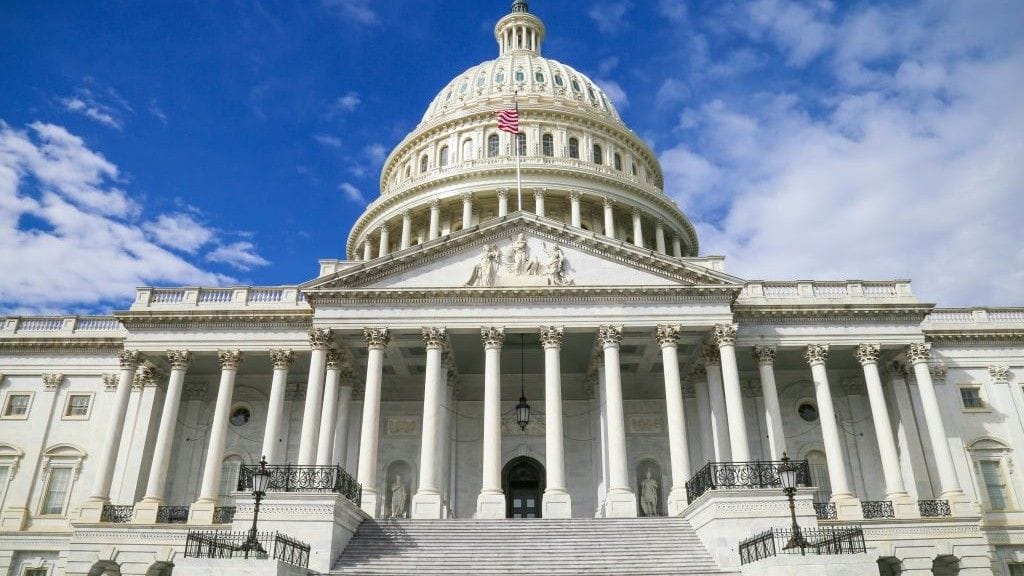
House Vote on Israel Aid Amendment
In a recent vote within the U.S. House of Representatives, an amendment proposing a total halt of aid to Israel was considered but ultimately failed. While the amendment did not pass, it garnered a level of support that suggests a shift in congressional sentiment regarding U.S. support for Israel. This vote was held against a backdrop of increasing scrutiny over U.S. foreign aid policies amid changing geopolitical dynamics.
Context and Analysis
The failure of the amendment indicates that while there is dissent regarding ongoing support for Israel, it is not overwhelmingly rejected by Congress. This nuanced stance may reflect broader concerns among lawmakers about the implications of U.S. support for Israel within the context of regional stability and international relations. As public opinion evolves and the political landscape shifts, members of Congress may feel pressured to reconsider their positions on foreign aid.
Moreover, the discussion surrounding aid to Israel highlights ongoing debates within the U.S. about its role in global conflicts and humanitarian issues. The potential for bipartisan discussion on foreign aid could signal a transformative period in U.S. foreign policy, particularly concerning the Middle East.
Why It Matters
This situation raises important questions about future U.S. foreign policy directions and the implications for Israel's security and regional partnerships. Analysts will be watching whether this vote signals a broader trend of questioning U.S. commitments abroad, which could affect diplomatic relations and military collaborations. The evolving sentiment in Congress could lead to increased demands for transparency and accountability in how U.S. aid is utilized, impacting not only Israel but also other nations that receive American assistance.
Sources: Defence24, The Guardian, CT Mirror, Jewish Telegraphic Agency, and China-US Focus