U.S. Marine Corps Enhances MADIS Counter-Drone System with Autonomous Ground Vehicles

Strengthening Counter-Drone Capabilities
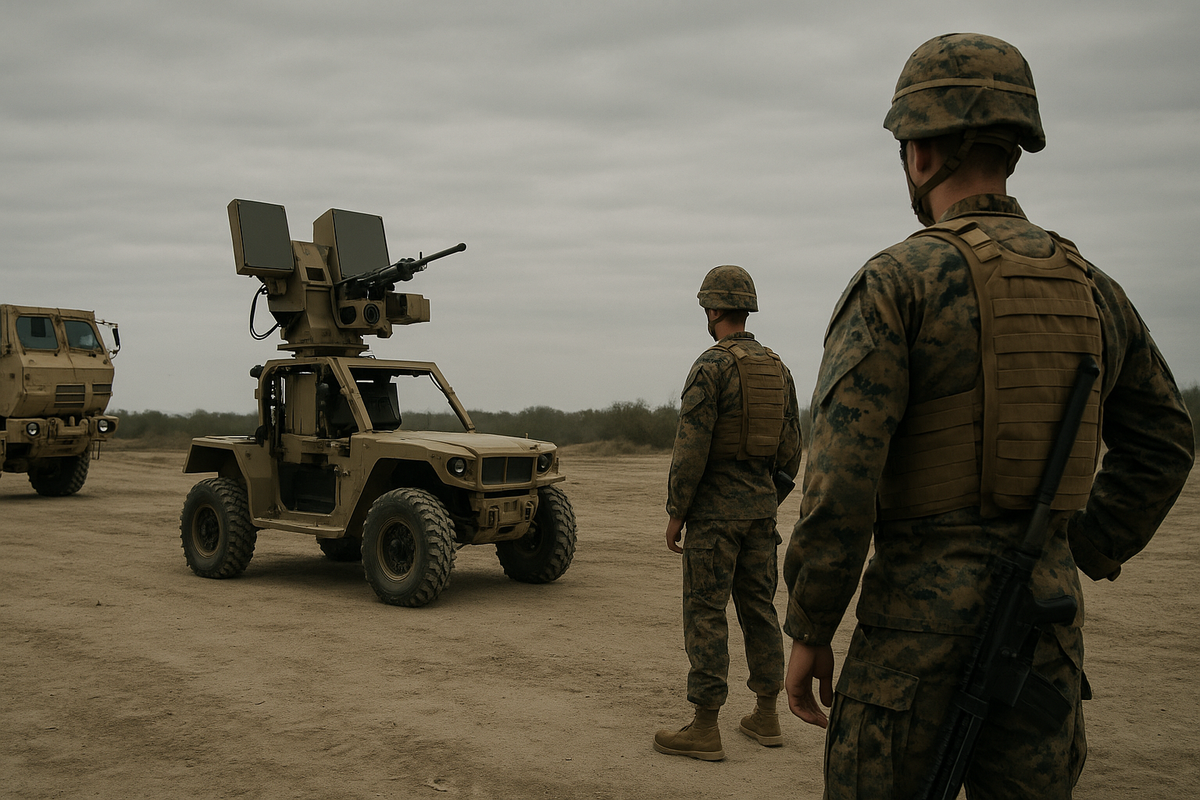
The U.S. Marine Corps is set to modernize its counter-drone capabilities by integrating Overland AI autonomous ground vehicles into the Marine Air Defense Integrated System (MADIS). This initiative, which is part of a broader effort to enhance battlefield modernization, aims to improve the mobility and effectiveness of the MADIS system in countering drone threats. The decision reflects the increasing importance of unmanned aerial vehicles in contemporary warfare and the necessity for advanced countermeasures.
Implications for Marine Corps Operations
The incorporation of autonomous ground vehicles into the MADIS framework signifies a significant shift in how the Marine Corps approaches drone warfare. These vehicles are designed to operate in various environments, providing enhanced mobility and responsiveness on the battlefield. As drone technology continues to evolve, this modernization effort will allow the Marine Corps to stay ahead of adversarial capabilities. By leveraging autonomous systems, the Marine Corps can potentially reduce the risk to personnel while increasing operational effectiveness against aerial threats.
This modernization initiative underscores the Marine Corps' commitment to integrating cutting-edge technology into its operations. The implications for future conflicts are substantial, as the ability to counter drone threats effectively could shape force engagement strategies. Analysts will be watching this development closely, as it may influence not only U.S. military tactics but also the broader landscape of aerial warfare.
Sources: Armyrecognition, Interesting Engineering, DefenseScoop, TWZ, and Defense News