U.S. Marines Enhance Anti-Armor and Anti-Ship Capabilities Through Recent Exercises

Recent exercises conducted by the U.S. Marines in the Indo-Pacific region have showcased the service's evolving capabilities in both anti-armor and anti-ship operations. These demonstrations highlight the Marines' strategic focus on distributed warfare, emphasizing mobility and versatility in the face of emerging threats.
What happened
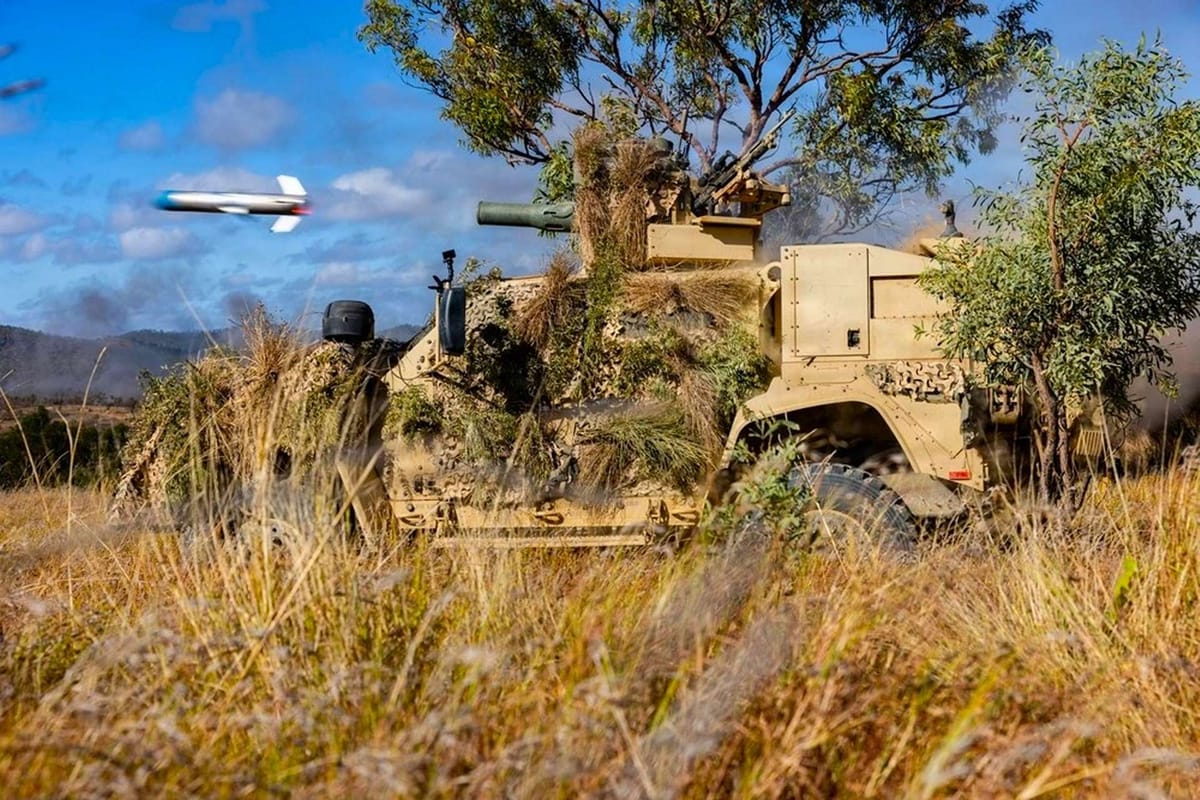
During the Southern Jackaroo 26 exercise in Australia, U.S. Marines successfully fired a JLTV-mounted BGM-71 TOW missile. This operation demonstrated the effectiveness of mobile anti-armor tactics, underscoring the Marines' commitment to enhancing ground combat capabilities in a rapidly changing operational environment.
Simultaneously, at the KAMANDAG 10 exercise in the Philippines, U.S. Marines paired the NMESIS anti-ship missile system with the MADIS air defense system. This integration marks a significant advancement in layered island-based maritime strike operations, allowing for a comprehensive approach to maritime security.
The strategic calculus
The dual focus on anti-armor and anti-ship capabilities reflects the Marines' strategic priorities in the Indo-Pacific. As global security dynamics shift, particularly with increased competition from near-peer adversaries, these exercises offer critical insights into the operational readiness of U.S. forces. Key implications include:
- Enhanced deterrence: The capability to swiftly engage armored threats and conduct maritime strikes boosts deterrence against potential aggressors in the region.
- Integrated operations: The collaboration of diverse systems like NMESIS and MADIS showcases the importance of multi-domain operations in modern warfare.
- Improved readiness for distributed operations, which are essential for maintaining a competitive edge in contested environments.
These developments raise questions about how the U.S. will continue to refine its military strategies in the Indo-Pacific. Analysts will be watching to see how these capabilities are integrated into broader defense frameworks.
On the ground
The successful execution of these exercises not only demonstrates technological prowess but also signals to allies and partners that the U.S. remains committed to maintaining stability in the region. The U.S. Marines' ability to conduct complex operations under varying conditions reinforces their role as a vital component of American military power.
As the U.S. continues to adapt to new challenges, the integration of advanced systems and tactics will be crucial to ensuring that the Marines are prepared for future conflicts. This commitment to innovation and flexibility in operations is likely to strengthen the U.S. position in the Indo-Pacific.
Sources: Armyrecognition, The National Interest, navalnews.com, TURDEF, and TWZ