U.S. Naval Blockade on Iran Extended Until Agreement Reached

Current Status of the Naval Blockade
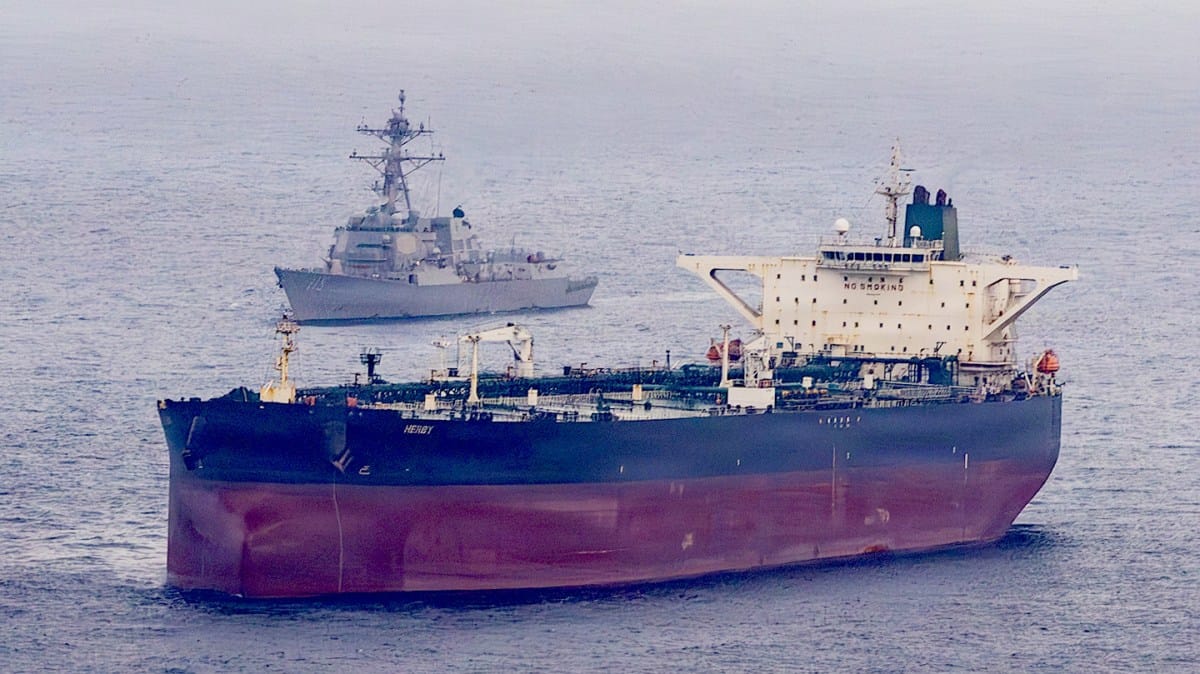
The U.S. has confirmed that the naval blockade on Iran, which commenced on April 13, will remain in effect until at least Friday, pending the signing of a formal agreement between the two nations. This blockade is a critical component of the U.S. strategy to exert pressure on Iran and limit its regional influence.
Context and Analysis
The decision to maintain the blockade underscores the ongoing tensions between the U.S. and Iran, particularly in light of previous negotiations that have repeatedly stalled. By keeping the blockade in place, the U.S. aims to leverage its naval capabilities to compel Iran into compliance with international expectations regarding its nuclear program and regional behaviors. The extended blockade may also serve to reassure U.S. allies in the region who are concerned about Iran's military ambitions and its potential destabilizing effects.
This situation is compounded by the broader geopolitical landscape in which Iran has faced increased isolation. As negotiations remain unresolved, the U.S. military presence in the region continues to act as a deterrent against any aggressive actions by Iran. The blockade, therefore, not only impacts Iran's economic capabilities but also serves as a signal of U.S. commitment to maintaining stability in the Middle East.
Why it Matters
The implications of this extended blockade are significant for both regional security and international diplomatic efforts. Analysts will be watching closely to see how Iran responds to this sustained pressure and whether it will lead to a renewed willingness to negotiate. Furthermore, the blockade raises questions about the potential for escalated military confrontations in the region, especially if Iran perceives the blockade as an act of aggression. The U.S. must navigate this complex situation carefully to avoid miscalculations that could escalate tensions further.
Sources: Twz, Council on Foreign Relations, The Washington Institute, Middle East Institute, and Atlantic Council