U.S. Navy Advances Hypersonic Capabilities with Blackbeard Missile Order

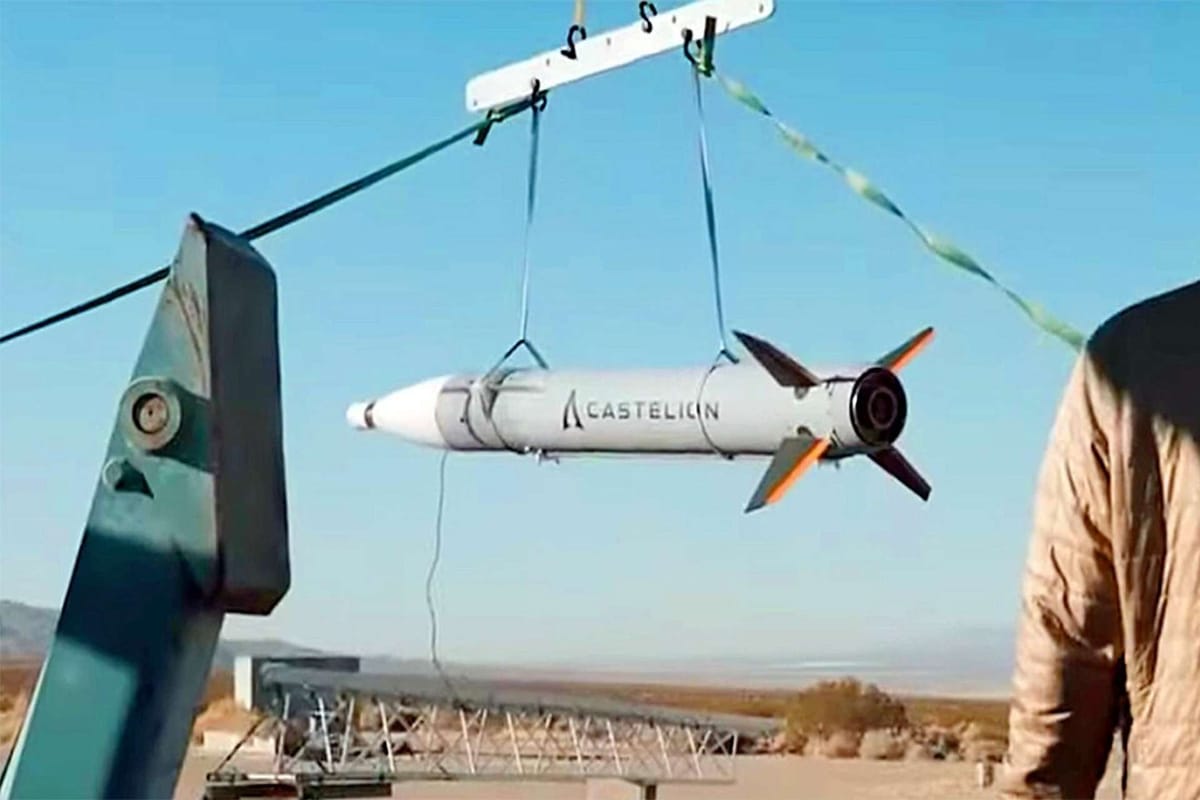
New Order for Hypersonic Missiles
The U.S. Navy has officially ordered the first 50 Castelion Blackbeard hypersonic missiles, intended for testing with F/A-18 Super Hornet fighters and future carrier strike operations. This significant procurement marks an important step in enhancing the Navy's offensive capabilities as it integrates advanced hypersonic technology into its arsenal.
Context and Analysis
The decision to acquire these hypersonic missiles comes at a time when global military dynamics are shifting, with nations increasingly investing in hypersonic technology to maintain strategic advantages. The Blackbeard missile is designed to travel at speeds exceeding Mach 5, which could enable the U.S. Navy to strike targets with unprecedented speed and precision. The integration of such technology into the Super Hornet fleet also suggests a focus on versatile platforms capable of executing a range of missions in contested environments.
As military planners consider the implications of hypersonic weapons, this order reflects an urgent need to counter potential threats from adversaries who are also developing similar capabilities. The Blackbeard missile's deployment could redefine naval engagements, providing the U.S. with a robust tool for deterrence and combat.
Why it Matters
The implications of this procurement extend beyond immediate military readiness. Analysts will be watching how this move influences future naval strategy and interoperability within the U.S. forces. The successful integration of the Blackbeard hypersonic missiles into the Super Hornet framework could signal a broader shift in defense priorities, potentially leading to an arms race in hypersonic technology. As adversary capabilities evolve, the U.S. Navy's advancements may serve as a critical countermeasure in maintaining maritime superiority.
Sources: Armyrecognition, MiGFlug, The Defense Post, 19FortyFive, and Tectonic Defense