U.S. Navy Expands Unmanned Surface Vessel Capabilities Amidst New Contract Awards

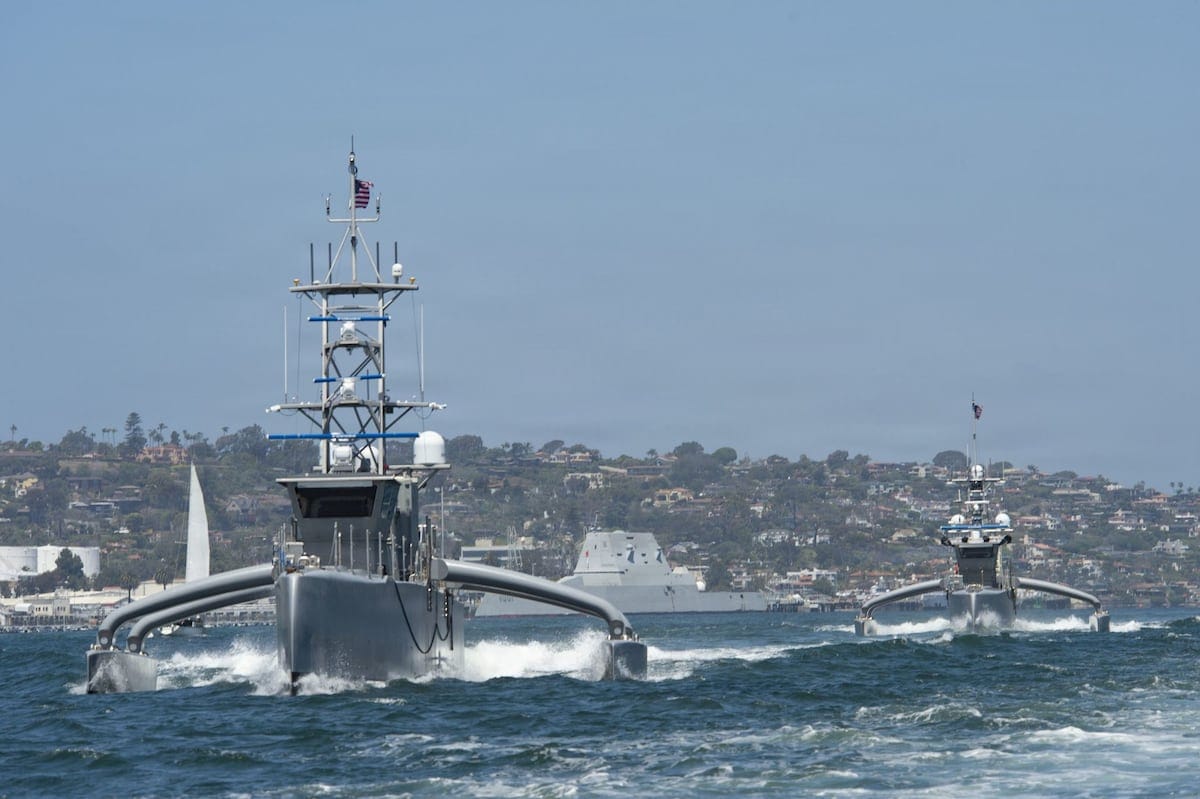
The U.S. Navy is reshaping its approach to unmanned surface vessels (USVs) with the launch of a new program aimed at enhancing operational capabilities. This initiative coincides with the termination of a previous USV program, highlighting a strategic pivot towards more effective, mission-ready assets.
What Happened
In a significant move, the Navy has announced the initiation of a production-ready USV program under its Golden Fleet initiative. This decision comes after extensive evaluations of the efficacy of current unmanned systems, ultimately leading to the discontinuation of outdated projects. The focus is now on developing USVs that can meet the Navy's evolving operational demands.
In conjunction with this announcement, Fincantieri has secured its first U.S. Navy contract for the Littoral Combat Ship (LSM) program, signifying a deeper collaboration between the Navy and industry partners in advancing naval capabilities. This contract marks a pivotal step in integrating advanced technologies into the U.S. fleet, particularly concerning unmanned systems.
The Strategic Calculus
The Navy's shift towards mission-capable USVs reflects a broader strategy to enhance maritime dominance in an increasingly contested global environment. The emphasis on production-ready vessels is critical for several reasons:
- Operational Readiness: The Navy is prioritizing platforms that can be rapidly deployed and effectively utilized in real-world scenarios.
- Cost Efficiency: By streamlining USV development, the Navy aims to reduce costs associated with legacy systems while increasing operational flexibility.
- Technological Advancements: Integrating advanced technologies into USVs is essential for maintaining a strategic edge over potential adversaries.
The collaboration with Fincantieri exemplifies the Navy's commitment to leveraging private sector innovation to fulfill its operational requirements, particularly in the realm of unmanned systems.
What Comes Next
Looking ahead, the Navy’s focus on USVs will likely result in several key developments:
- Accelerated timelines for the delivery of advanced unmanned systems.
- Increased investment in research and development to explore new capabilities, such as enhanced autonomy and payload options.
- A potential shift in procurement strategies to favor more agile and adaptable platforms over traditional manned vessels.
As the U.S. Navy continues to refine its strategy for unmanned assets, the implications for maritime security and regional stability could be profound. Enhanced USV capabilities may enable more effective deterrence against adversaries while also allowing for more complex and varied operational missions.
In summary, the U.S. Navy's latest moves in the unmanned domain reflect a determined effort to modernize its fleet and adapt to the challenges of the modern battlefield. With industry partnerships like that of Fincantieri, the Navy is poised to enhance its operational readiness and technological prowess in the years to come.
Sources: Defensenews, Edrmagazine, TRENDS Research & Advisory, Fincantieri, navy.mil, and Marine News Magazine