U.S. Pacific Command Reinstated Amid Strategic Shifts in the Region

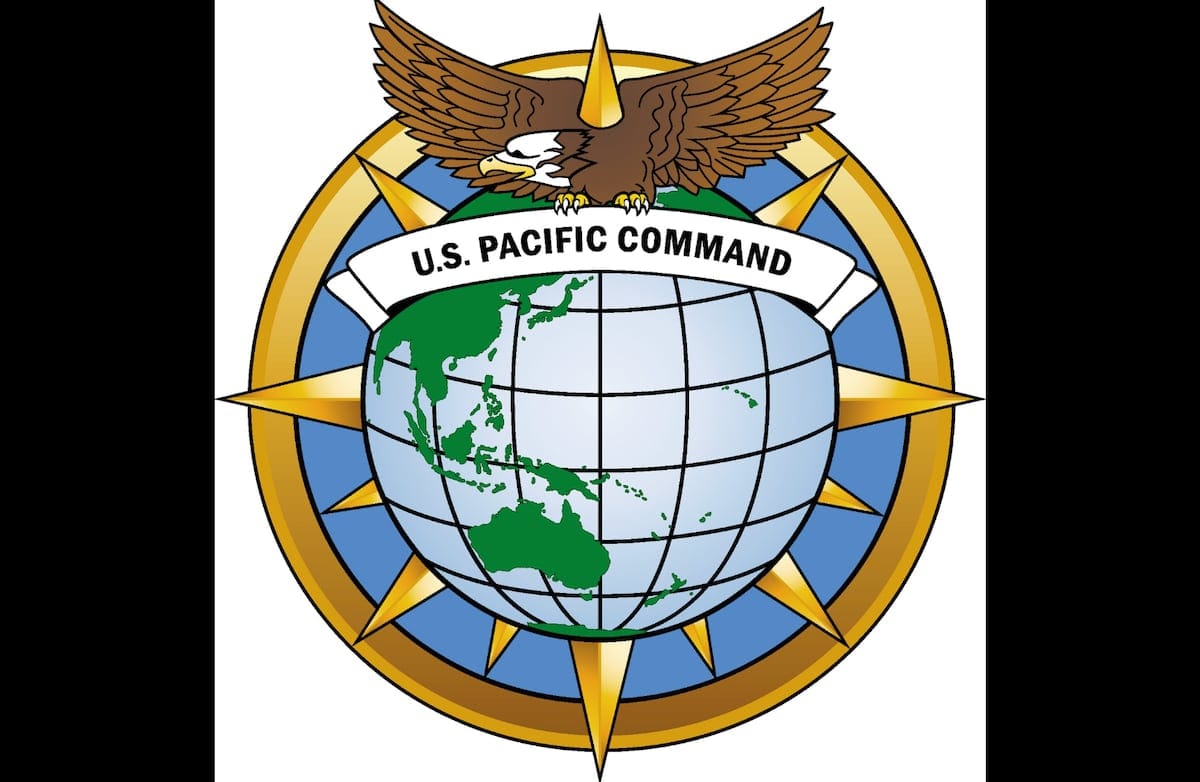
Command Naming Reversion
The Pentagon has officially reverted the name of U.S. Indo-Pacific Command back to its original designation of U.S. Pacific Command. This decision, announced recently, marks a significant shift in the U.S. military's branding and approach to its strategic posture in the Asia-Pacific region. The name change reflects a broader recognition of the historical context and operational legacy associated with the Pacific Command, which was originally established prior to its rebranding in 2018.
This reversion comes at a time when the strategic landscape in the Indo-Pacific region is evolving rapidly. As tensions rise with nations like China and North Korea, the U.S. military is reassessing its operational priorities and command structures to address emerging threats effectively. The return to the U.S. Pacific Command name may signal a renewed emphasis on maritime security and readiness in response to increased military activities and assertiveness from regional adversaries.
Strategic Implications
Reinstating the Pacific Command name could have implications for U.S. military strategy and cooperation with allies in the region. Analysts will be watching how this change influences joint operations, training exercises, and diplomatic relations with key partners in the Indo-Pacific. The rebranding might also strengthen the perception of U.S. commitment to regional stability and security, as it aligns with traditional terminologies familiar to allies and partners.
Furthermore, this shift raises the question of how it will affect ongoing initiatives and strategic partnerships under the Indo-Pacific Command structure. With the geopolitical environment continually evolving, the Pentagon's decision to revert the command's name could signal a pivot back towards a more traditional understanding of U.S. military engagement in Asia. This change may foster enhanced collaboration with regional allies as they navigate shared security challenges posed by adversarial actions in the region.
Sources: Defensenews, The Diplomat – Asia-Pacific, TheWire.in, Thai PBS World, and Defence Security Asia