U.S. Special Operations Community to Abandon U-28 Draco Surveillance Planes

Shift in Surveillance Strategy
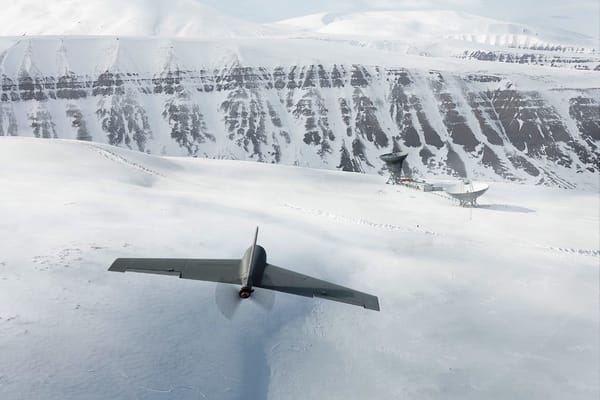
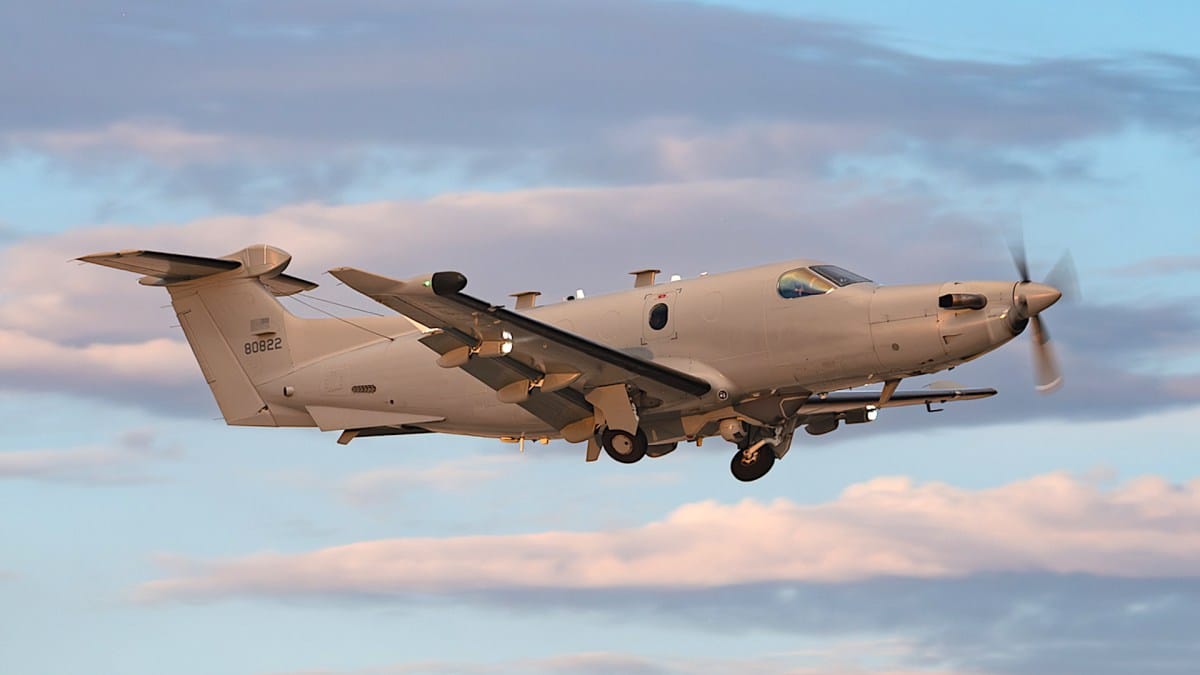
The U.S. special operations community appears set to discontinue the use of dedicated crewed surveillance planes, specifically the U-28 Draco. This decision reflects a broader trend within military operations where reliance on traditional manned aircraft for surveillance is being re-evaluated. The timeline for this transition has not been disclosed, but indications suggest that operational priorities are shifting toward alternative surveillance methods.
The U-28 Draco has been a key asset for intelligence, surveillance, and reconnaissance (ISR) missions since its introduction. However, the evolving landscape of military needs and technological advancements may be driving this change. Analysts note that unmanned systems and satellite technology are becoming increasingly capable, offering similar or enhanced capabilities without the risks associated with crewed aircraft. This evolution could signify a significant paradigm shift in how U.S. forces approach surveillance operations.
Why It Matters
This development raises questions about the future of manned ISR capabilities within the special operations community. The move towards abandoning dedicated crewed surveillance planes could signal a broader transition to unmanned systems, which may enhance operational efficiency and reduce personnel risks. As military priorities adjust, analysts will be watching how this impacts the effectiveness of U.S. surveillance operations and whether it leads to a reevaluation of current tactical approaches in various theaters of operation.
Sources: Twz, The War Zone, af.mil, Zona Militar, and National Defense Magazine