UAE Enhances Energy Security with New Protective Measures Against Iranian Attacks

UAE's Response to Drone Threats
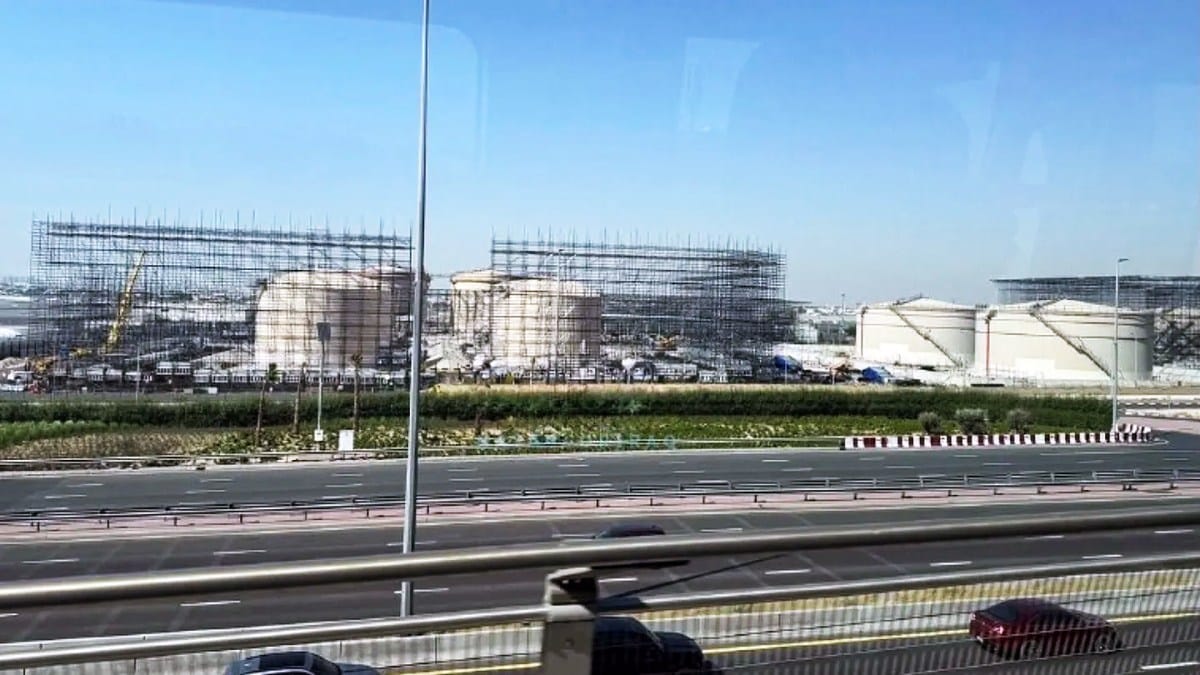
The United Arab Emirates (UAE) is implementing significant defensive measures to safeguard its energy infrastructure from Iranian drone attacks. This initiative comes in response to a series of assaults that have resulted in substantial damage to the UAE’s oil and gas facilities. The construction of large-scale protective structures, referred to as "Cope Cages," is aimed at enhancing the resilience of these critical installations against future aerial threats.
The UAE's decision to build these protective cages underscores the escalating concerns regarding Iranian military capabilities, particularly in the realm of unmanned aerial vehicles (UAVs). The nation has faced thousands of missile and drone strikes that have compromised its energy sector, prompting a reevaluation of its defense strategies. The "Cope Cages" are expected to serve as a deterrent, potentially minimizing damage from aerial assaults while signaling a robust stance against Iranian aggression in the region.
Strategic Implications
This development raises important questions about the broader security landscape in the Gulf region. As the UAE fortifies its defenses, it may prompt neighboring countries to reassess their own military preparedness against similar threats. Moreover, the increased focus on protecting energy facilities highlights the ongoing vulnerabilities within critical infrastructure, which remain prime targets for asymmetric warfare tactics employed by state and non-state actors alike.
Why it matters: The construction of "Cope Cages" not only represents a tactical enhancement in the UAE's defense capabilities but also reflects the shifting dynamics of power and security in the region. Analysts will be watching how these measures affect the UAE’s relationships with both its allies and adversaries, particularly as tensions with Iran continue to simmer. Effective protection of energy assets is vital for the UAE's economy, and the success of these initiatives could set a precedent for similar security measures across the Gulf states.
Sources: Twz, The War Zone, Institute for the Study of War, and Frontier India